


Fluorometers: Recommendations and care
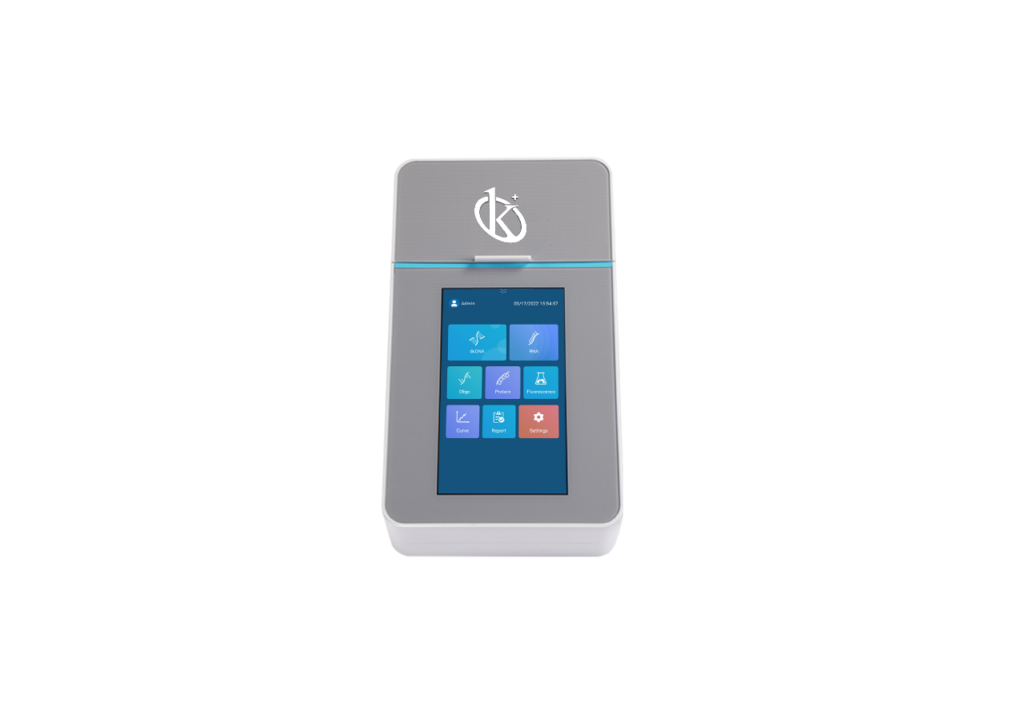
A fluorometer is a laboratory instrument that enables the analysis, identification and quantification of chemical substances with molecules capable of exhibiting fluorescence, using the technique of fluorescence spectrophotometry or fluorometry.
Fluorometer: What’s it for?
This equipment is an optical device, used in laboratories to observe and measure the quality of fluorescence in biological or mineral samples; its characteristic feature is that sensitivity to specific wavelengths of light can be measured by the use of filters, depending on what is being studied.
Fluorometer benefits
By measuring the intensity, spectrum, lifetime and polarization of fluorescence, we can determine the presence and concentration of fluorophores. The equipment used is called a fluorometer, an analytical instrument designed to determine the concentration of fluorescent compounds.
Ovens: dry heat sterilization
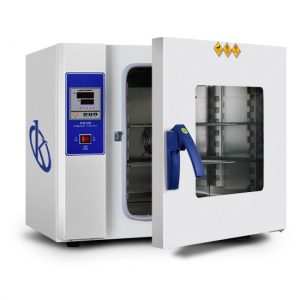
Hot air is one of the most widely used dry heat sterilization methods. This process is carried out in ovens, which allow uniform heat distribution inside, where the material is exposed to temperatures of around 170°C for 2 hours. Dry heat sterilization destroys micro-organisms by oxidizing their cellular components. This is a less efficient process than moist heat sterilization
From simple to complex
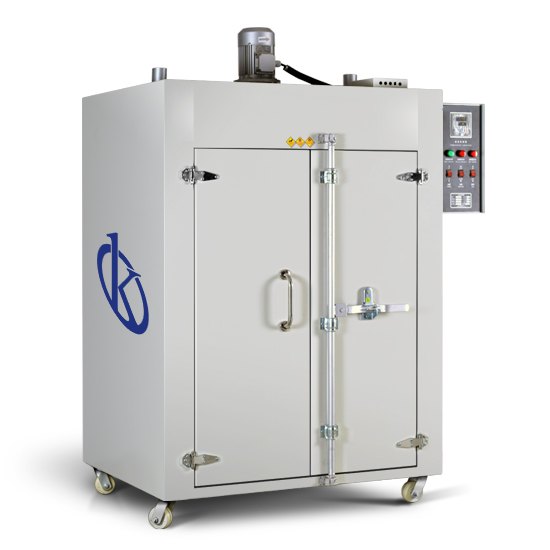
The dryer is a piece of equipment used to dry and sterilize glass and metal containers in the laboratory. It is also known as a drying oven. Manufacturers have essentially developed two types of Oven: those that operate by natural convection and those that operate by forced convection. Ovens generally operate between room temperature and 350°C.
What considerations need to be taken into account when using a Drying Oven?
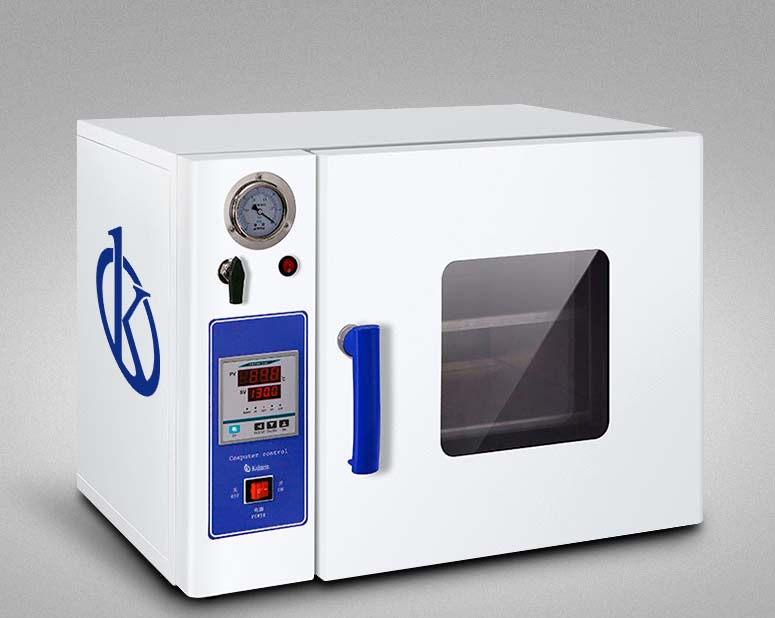
The dryer is a piece of equipment used to dry and sterilize glass and metal containers in the laboratory. It is also known as a drying oven. Manufacturers have essentially developed two types of Oven: those that operate by natural convection and those that operate by forced convection. Ovens generally operate between room temperature and 350°C.
What is the purpose of a laboratory oven?
The Laboratory Oven is an instrument used to dry and sterilize glass containers, which come from a laboratory wash. In other words, this chamber with cavity, which will have a higher temperature than that of the environment, will remove all moisture from the metal or glass container. The sterilization that becomes effective inside this oven is called dry heat and is carried out only at a temperature of 180 degrees Celsius for 2 hours.
How Many Types Of Climate Cameras Are There?
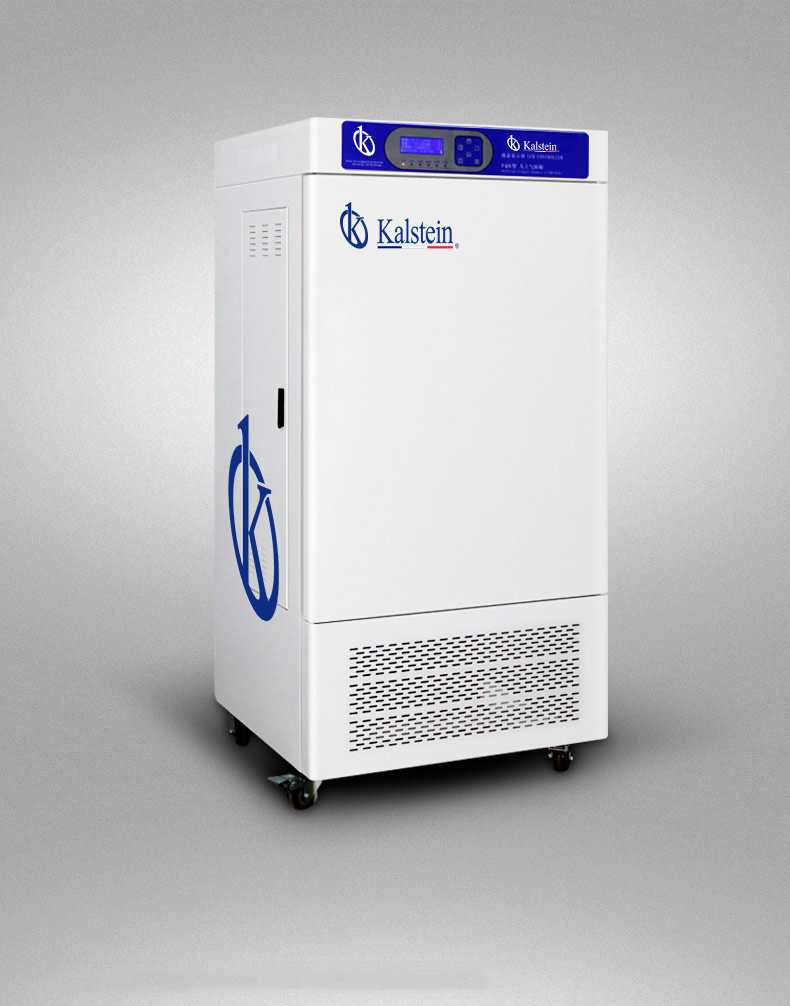
The climatic chamber is a unit capable of constructing stable situations of temperature and relative humidity, to provide controlled climatic states, in order to have a reliable measurement model in the measuring instrument. It is built around a hermetic structure, capable of providing pressures between inside and outside, its main components being an access door, means for humidifying and conditioning the air inside the chamber, sensors and temperature controllers.
What is the function of a Color Evaluation Box?
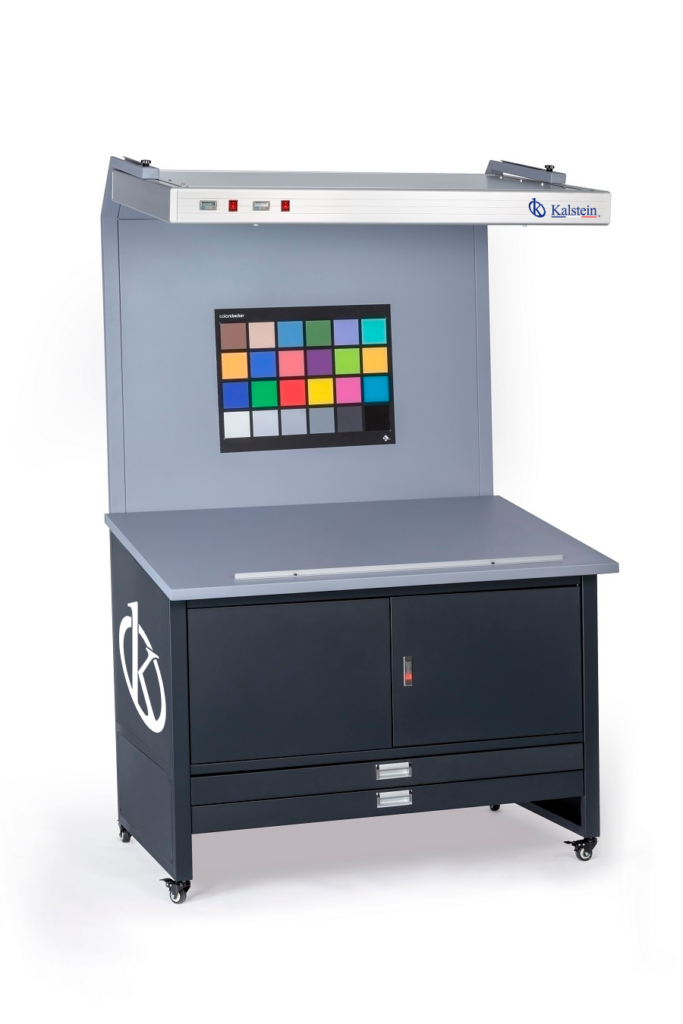
The ideal tool for complex color analysis is the use of color evaluation boxes, which determine the spectral illumination on each wavelength of any product, its accuracy is much greater and its range of applications is much wider. Similarly, color evaluation boxes are necessary instruments for professionals who support their research into precision product analysis, thanks to the advantages this tool brings, particularly in the laboratory, for precise color management of samples. As a result, these units have functional mechanisms and operating systems that support their functions, with important and specific features.
Features of safety storage cabinets ?
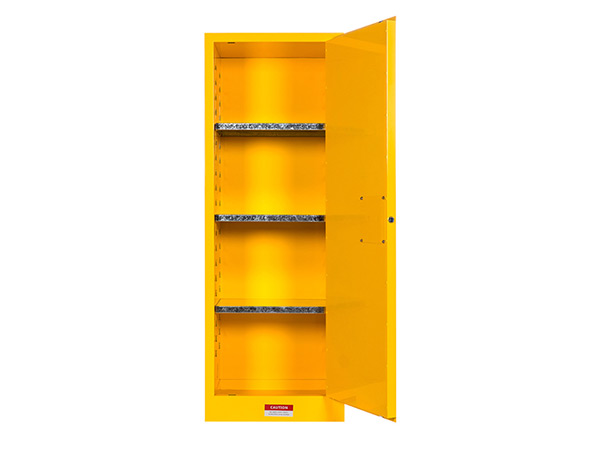
Safety storage cabinets are modules designed to protect workers from the pollution these products carry. Thus, it is important to note that, cabinets must be essential in any type of work, which requires the handling of chemical, or flammable products, especially in laboratories, as they meet the safety requirements and storage capacity they provide. That’s why it’s important to note that the structure or features they possess are fundamental to their use and handling.