


What are the functions of a safety cabinet?
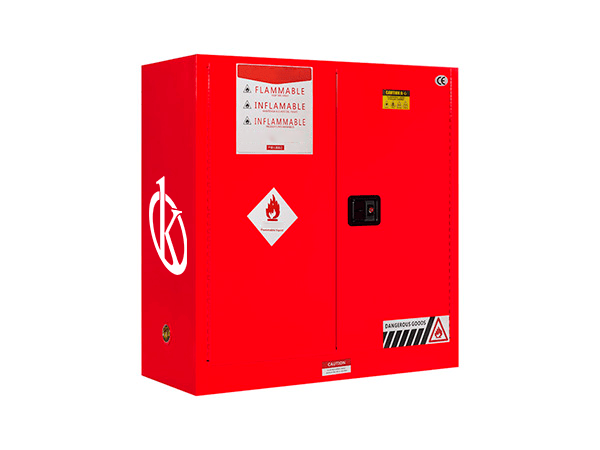
The role of safety storage cabinets is to protect and isolate chemical products contained in hazardous areas, to prevent damage to the environment, and to store hazardous substances. Consequently, it is important to follow the storage rules, which are generally present in the labeling of these products, while being versatile according to the hazardousness of each.
What standards apply to safety cabinets?
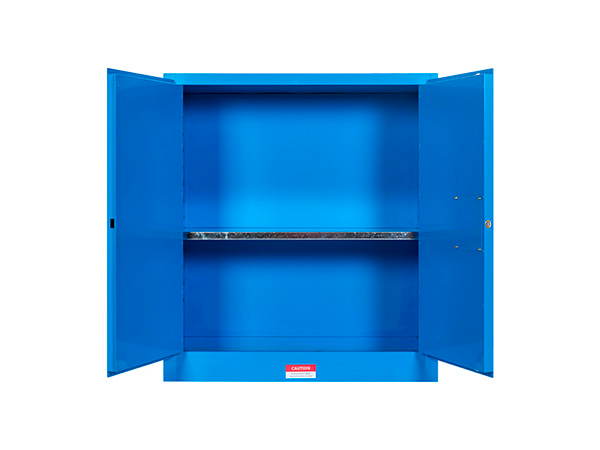
A safety cabinet is a prefabricated piece of equipment specially designed to store hazardous chemicals in mobile containers, protecting their contents in the event of fire, for a set period of time and meeting the safety requirements of the current ITC (International Trade Centre) and APQ (656/2017) regulations. This type of cabinet is an efficient and comfortable solution for storing a wide range of products and materials. Security cabinets have a much greater capacity than safes, enabling the safe storage of large quantities of documents, valuables or sensitive materials that need to be well protected. The use of security cabinets guarantees high resistance to theft and assault and, combined with fireproof materials, can offer complete protection against theft and fire.
What is a storage cabinet?
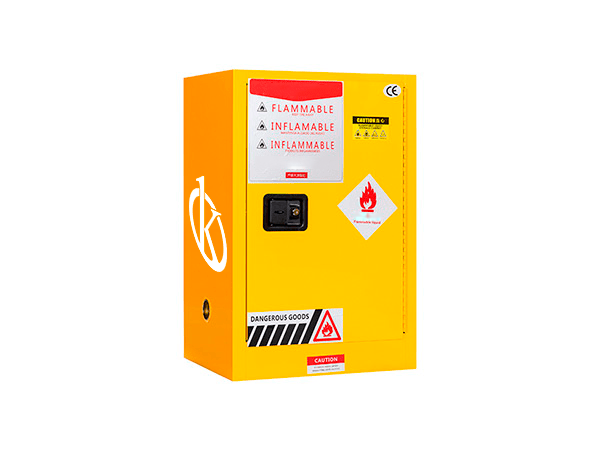
Safety cabinets are used to protect users and, at the same time, to store flammable chemicals in the workplace. All cabinets are used to protect hazardous substances (flammable, corrosive, toxic…) and are flame-retardant for 30 minutes (type 30) or 90 minutes (type 90). In companies and laboratories, this type of furniture plays a major role in providing protection against any incident, as well as preventing environmental pollution at all times. When it comes to safety, it’s advisable to classify contents by level of hazardousness, and to choose the safety cabinet that best matches the quantity of substance to be stored.
Orbital shakers, functions and parts
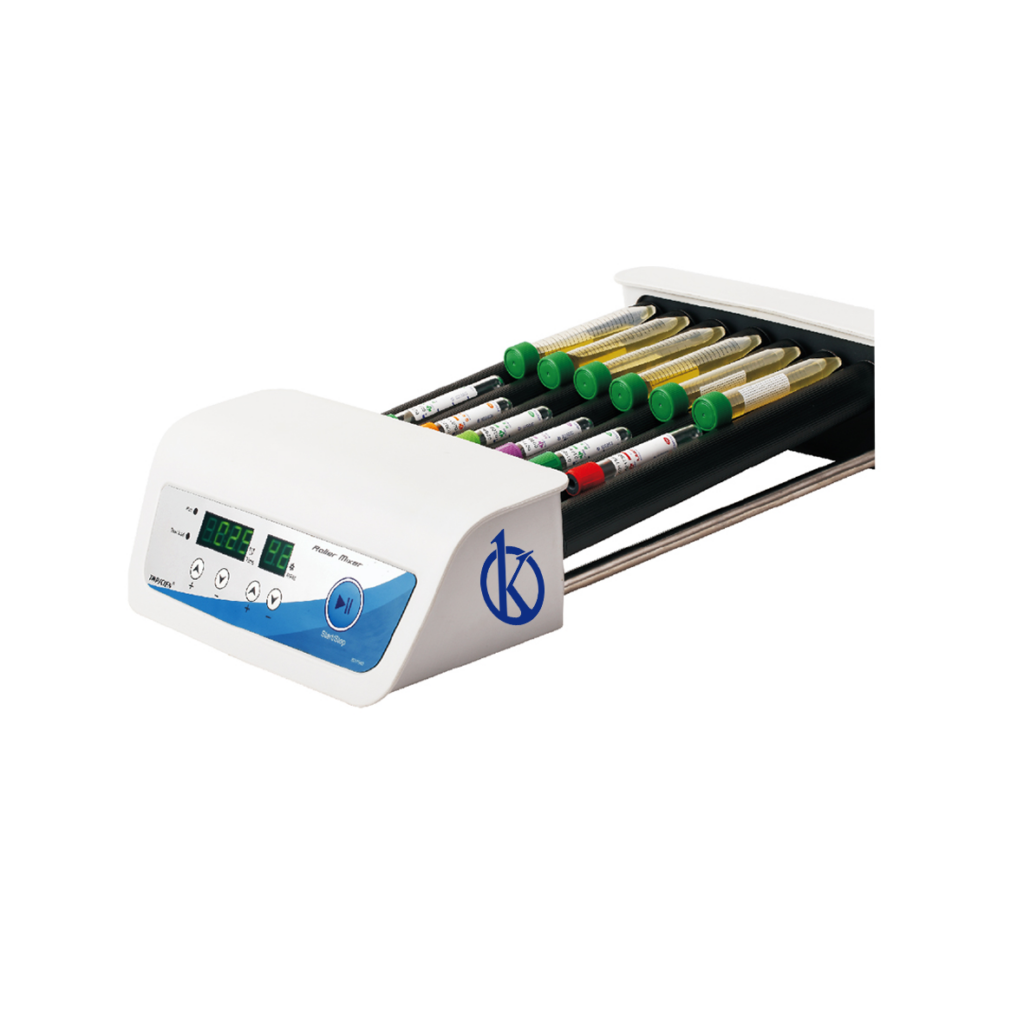
Orbital shakers are laboratory equipment used to combine, divide or prepare substances. They create movement between liquids, or between liquids and solids, to achieve mixing, suspension, dispersion, homogenization, heat transfer and other processes. They are compact, versatile, high-performance and long-lasting, and can be used with a wide variety of other equipment such as incubators, refrigerators and environmental chambers.
Neo-Natal Incubator And Different Types Of Phototherapy
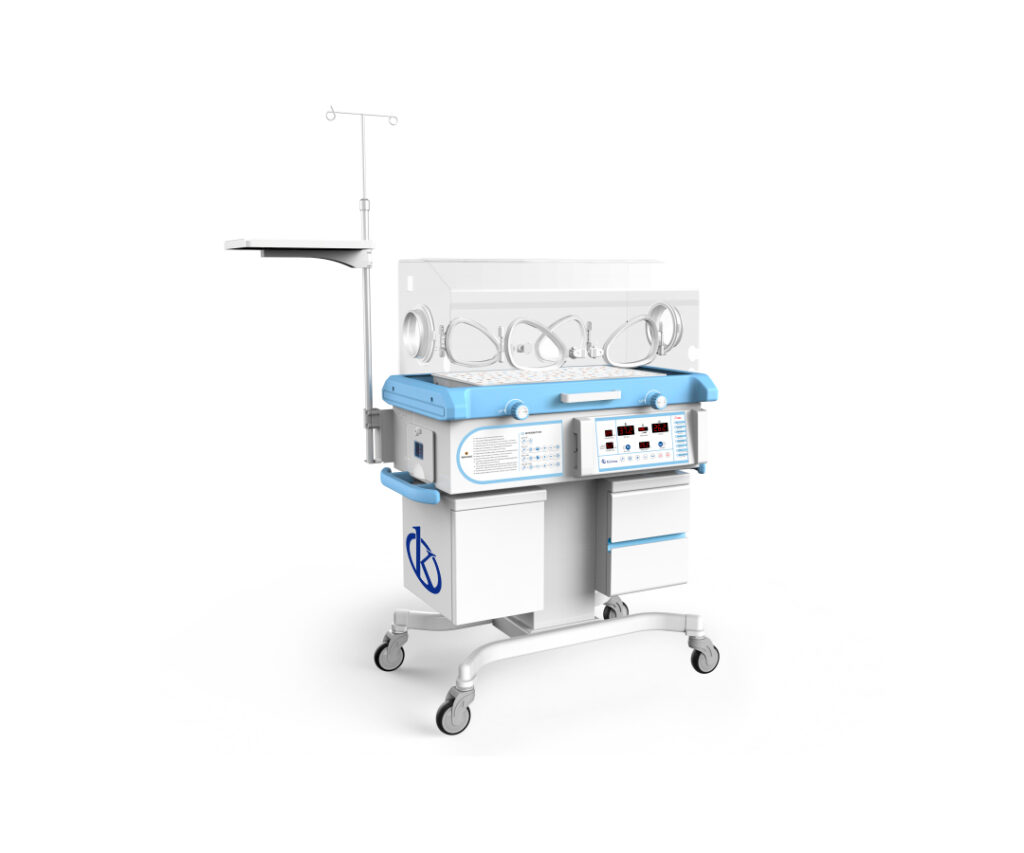
This type of device is intended to offer the full-term or premature newborn a warm and safe environment, where its vital signs can be monitored, to maintain a temperature that keeps it stable; in some cases when the blood of the baby and the mother are different, jaundice occurs in the newborn, needing special attention, through phototherapy, and all KALSTEIN incubators are conditioned for this.
Water purification for optimal results of laboratory experiments: benefits of its use
Maintaining a clean laboratory environment is of utmost importance to ensure the safety of workers and to obtain the best results in conducting experiments; an important part of ensuring these requirements is to make sure that the water used in experiments is pure and free of impurities.
What is a food freeze dryer?
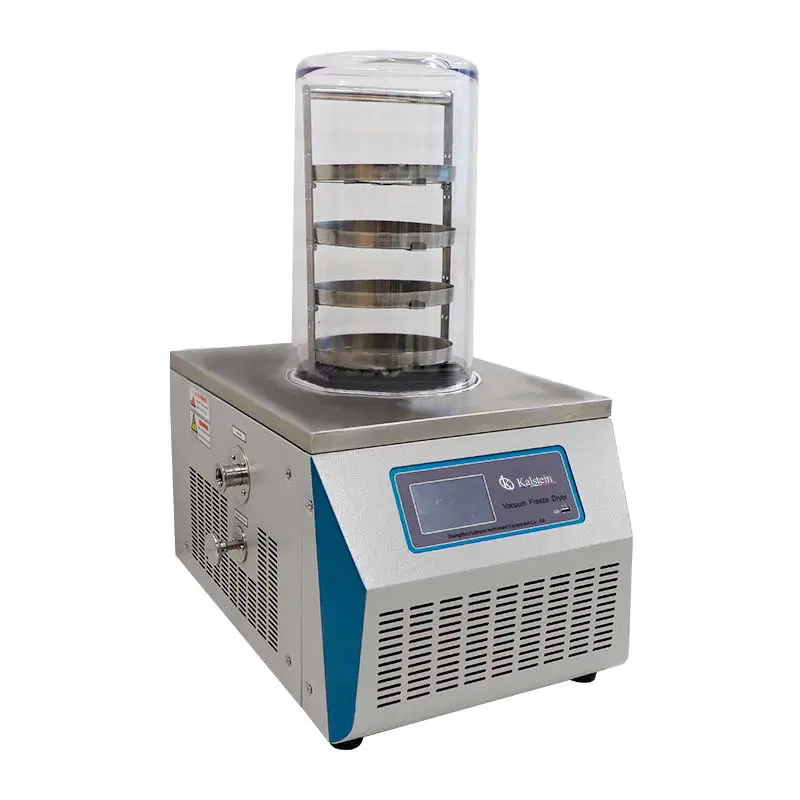
Freeze-drying is a food preservation technique based on the drying of certain compounds by sublimation of the water they contain.
Use of freeze dryers to preserve coffee
The freeze-dryer is a device through which the process of freeze-drying takes place, which is nothing but the drying of various materials. This equipment allows, through cold drying, to remove the moisture from a product or foodstuff to obtain it dehydrated, which allows them to retain their properties and nutritional values, while reducing their volume.
Anesthesia machine : Different types
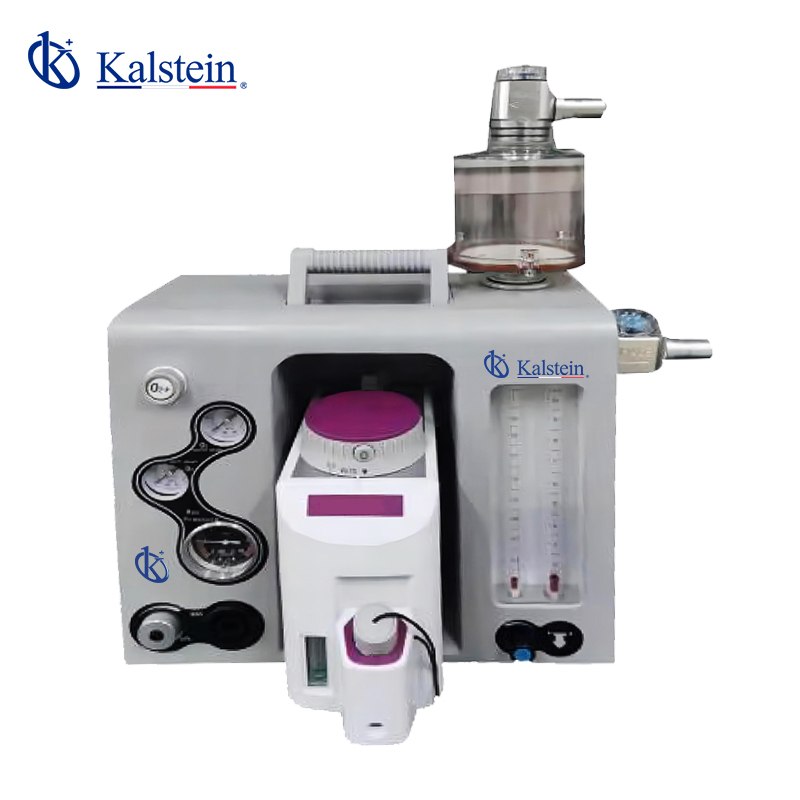
Anesthesia machines are specialized medical equipment that are used to administer an anesthetic agent to a patient during a surgical process. This gas, or anesthetic agent, promotes the inhibition of skeletal muscle function. This equipment is a mixture of electrical, mechanical and pneumatic components, and incorporates all the necessary components to perform general anesthesia and includes vaporizers, ventilators, respiratory system, monitors and scanning systems.
Most common problems when using an anesthesia machine?
The good functioning of the medical teams during the surgical interventions is of great interest for the medical staff that operates it, as for the patients that depend on it. With regard to the use of the anesthesia machine, it is of great value to know how it works to avoid future complications.