Balances
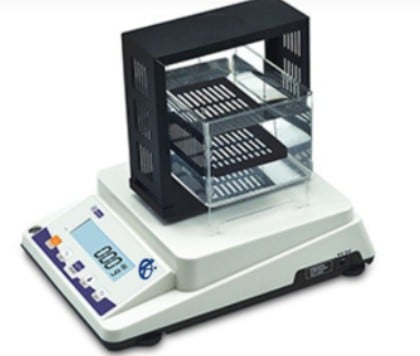
Balances are essential tools in any laboratory environment, designed to provide accurate measurements for a variety of applications. Whether you are weighing chemicals, biological materials, or samples, choosing the right balance is crucial for ensuring precision and reliability in your results.
Kalstein offers a wide range of balances, each engineered to meet specific laboratory needs. From industrial scales to multifunction weighing scales, our products are built to enhance the efficiency of your work while ensuring compliance with industry standards.
Types of balances your laboratory may need
Industrial scale
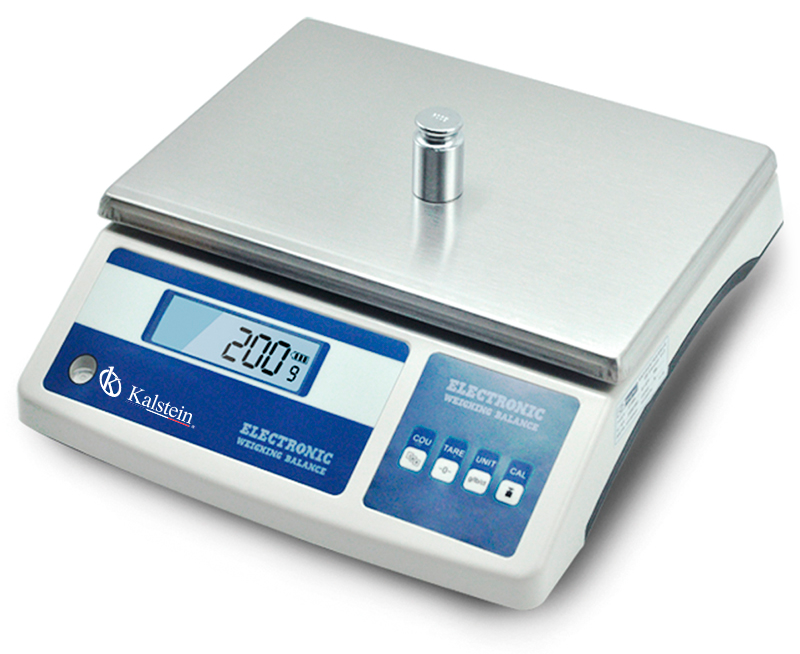
Industrial scales are designed for heavy-duty applications, capable of weighing large items or bulk quantities with high accuracy. These scales often feature robust construction to withstand harsh environments, making them ideal for manufacturing and industrial labs.
They come equipped with advanced features such as digital displays, data logging capabilities, and connectivity options for integration into laboratory information systems.
Multifunction Weighing Scale
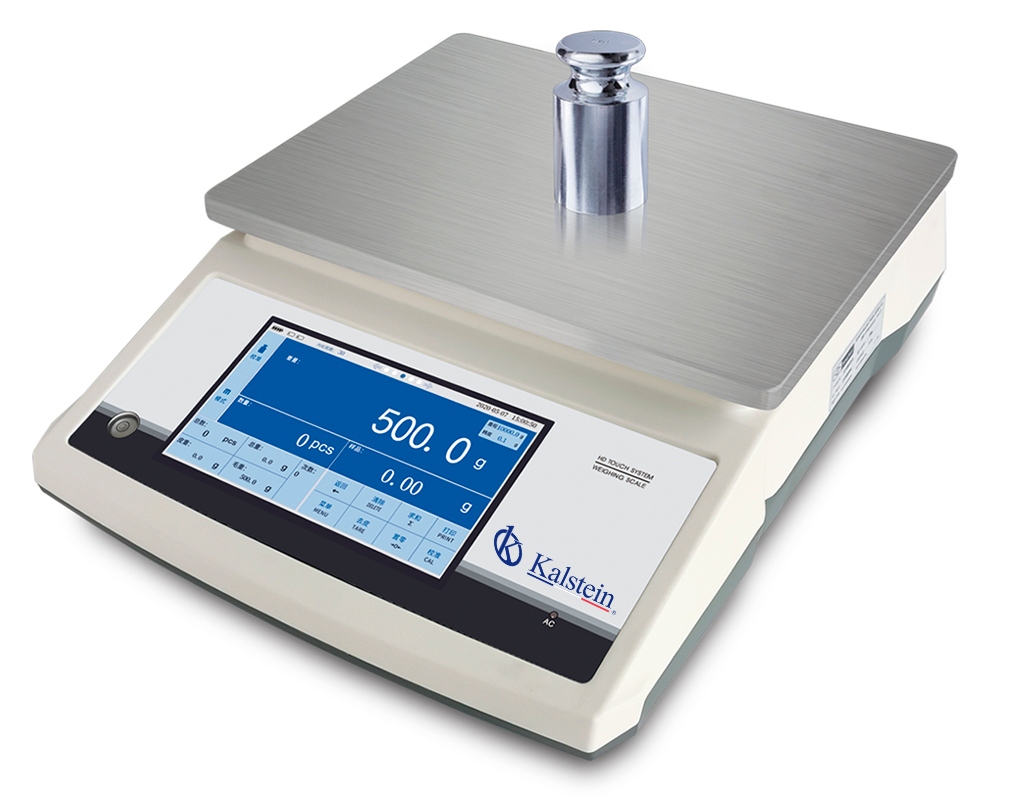
Multifunction weighing scales offer versatility for various laboratory tasks. These scales can measure weight, density, and even moisture content, making them invaluable for research and development labs. Their user-friendly interfaces and customizable settings enhance usability and efficiency.
Whether you need to conduct routine measurements or complex analyses, multifunction scales provide the flexibility needed for diverse applications.
Waterproof Scale
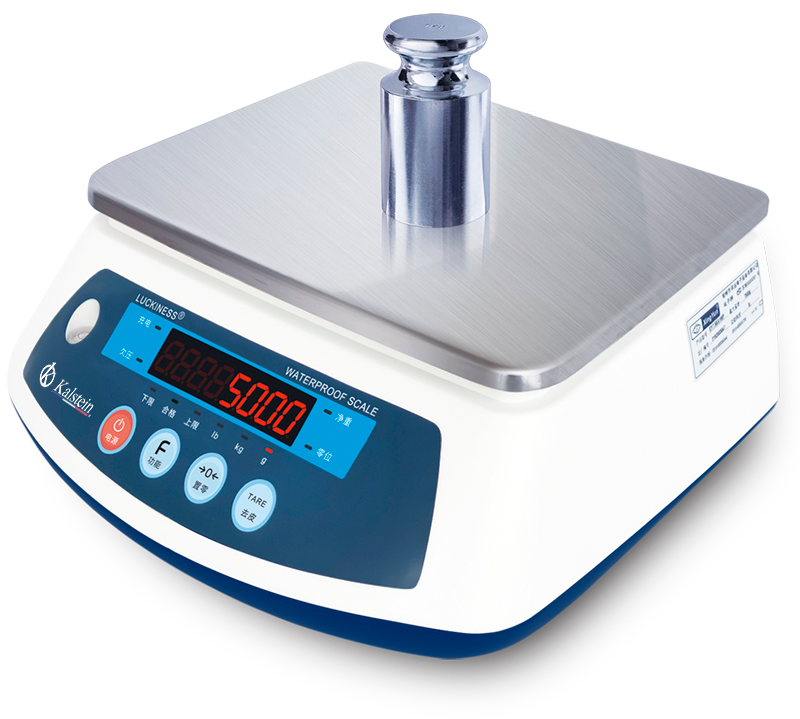
Waterproof scales are specifically designed to withstand the rigors of wet environments, making them essential for laboratories that deal with liquids or moisture-sensitive materials. These scales are constructed with protective casings and sealed components to prevent damage from spills.
Ideal for use in chemical, biological, or food laboratories, waterproof scales ensure accurate measurements without compromising safety or performance.
What you should know before selecting a balances and making an investment
Key factors to consider
When selecting a balance, consider factors such as capacity, accuracy, and the specific application it will be used for. Different balances have varying specifications that make them suitable for particular tasks, so understanding your laboratory's needs is essential for making an informed choice.
Also, evaluate the features included, such as advanced display options and connectivity, which can enhance usability and data management.
Market price range
The market price for laboratory balances can vary significantly based on features, brand, and precision levels. It's important to establish a budget that reflects the quality and specifications required for your laboratory's operations.
Investing in a reliable balance is crucial, as it directly impacts the accuracy of your measurements and the overall quality of your research and development work.
Value for money
When assessing value for money, consider not only the initial purchase price but also the long-term benefits of durability, accuracy, and maintenance costs. A higher upfront investment can often lead to savings in the long run through reduced calibration needs and increased reliability.
Evaluate warranties and service agreements that come with your balance, as they can provide additional value and peace of mind.
Expected lifespan based on use and maintenance
The expected lifespan of a balance largely depends on its usage and the level of maintenance it receives. Regular calibration and proper cleaning are critical to ensuring the longevity of the instrument. Understanding the manufacturer's guidelines and adhering to them will help maximize the lifespan of your balance.
Consider how often the balance will be used and the environment it will operate in, as these factors will influence its durability and performance over time.
BALANCES KALSTEIN
Discover balances for your laboratory
Explore our range of high-precision balances tailored for various laboratory applications. The Series Density Balance YR06704//YR06704-4 is an exemplary model that combines advanced technology with user-friendly features, ensuring accurate and reliable measurements.
Series Density Balance YR06704//YR06704-4
The YR06704//YR06704-4 series density balance is a high-precision instrument designed for the reliable determination of density in solids, liquids, po
View productOur best-selling balances
Series Density Balance YR06704//YR06704-4
Design and technology (functionality)
The balance integrates a 160 x 70 mm weighing pan and a 139 x 100 x 78 mm immersion tank , optimized for hydrostatic testing. Its robust and stable structure minimizes vibrations and errors due to environmental interference within the 5–25 °C operating range. It includes a 200 g calibration weight , ensuring traceability and metrological accuracy. Repeatability (up to ±0.002 g in model YR06704-4) and linearity (up to ±0.003 g) position it as one of the best options on the market for quality control and materials analysis. In terms of price, density balances with these characteristics typically range from USD 1,800 to USD 4,500 on the international market , depending on the model, precision, and included accessories, making this series a competitive alternative in terms of cost-benefit ratio.Product use in the field
In real-world applications, the YR06704 Density Balance is used to evaluate materials such as plastics, rubbers, ceramics, light metals, resins, oils, solvents, and industrial powders. In quality control, it allows for verification of batch uniformity; in R&D, it supports the development of new materials; and in production, it helps detect early deviations in formulations. The typical procedure involves weighing the sample in air and then submerged in the reference liquid (usually distilled water), automatically obtaining the density without manual calculations.Frequently Asked Questions (FAQ)
Is it difficult to use?No. The equipment is designed with an intuitive interface and pre-configured modes for solids, liquids, and powders.Does it require specialized maintenance?Only periodic calibrations and basic cleaning of the tank and tray.Does it work with liquids other than water?Yes, it can be used with other reference fluids according to the applicable standard.Does it include accessories?It comes with a calibration weight and standard tank; additional accessories can be requested.Advantages and disadvantages
Advantages:- High precision and repeatability.
- Versatility for solids, liquids and powders.
- Automatic density calculation.
- Robust and stable construction.
- Wide range of capabilities depending on the model.
- Requires an environment with basic temperature control.
- It is not portable for extreme fieldwork.
- Higher initial investment than conventional scales without a density function.
Recommendations to maximize your performance
- Perform periodic calibration with the included weight.
- Keep the tank free of bubbles and debris.
- Avoid drafts and vibrations on the work table.
- Use distilled water or certified reference liquid.
- Record temperature conditions in each measurement for traceability.
Technical Specifications
| Model | YR06704 | YR06704-1 | YR06704-2 | YR06704-3 | YR06704-4 |
| Ability | 310g | 610g | 610g | 310g | 210g |
| Test mode / Test mode | Solid/Liquid | Absorption of solids/liquids/powders/water | |||
| Readability (or Reading Accuracy) | 0.01g | 0.01g | 0.005g | 0.001g | |
| Minimum weight | 0.04g | 0.04g | 0.020g | 0.004g | |
| Repeatability | ±0.02g | ±0.02g | ±0.010g | ±0.002g | |
| Linearity | ±0.03g | ±0.03g | ±0.015g | ±0.003g | |
| Unit conversion | weight:g/ct/oz density:D | weight:g/ct/oz density:D/%/K | |||
| Weighing plate size | 160x70mm | ||||
| Tank/reservoir size | 139x100x78mm | ||||
| Temperature | 5-25℃ | ||||
| Calibration weights | 200g | ||||
| Packaging size | 310x230x130mm | 440x310x300mmx2 | |||
| Gross weight | 4kg | 6kg | |||
Detailed analysis of balances for an effective and safe choice
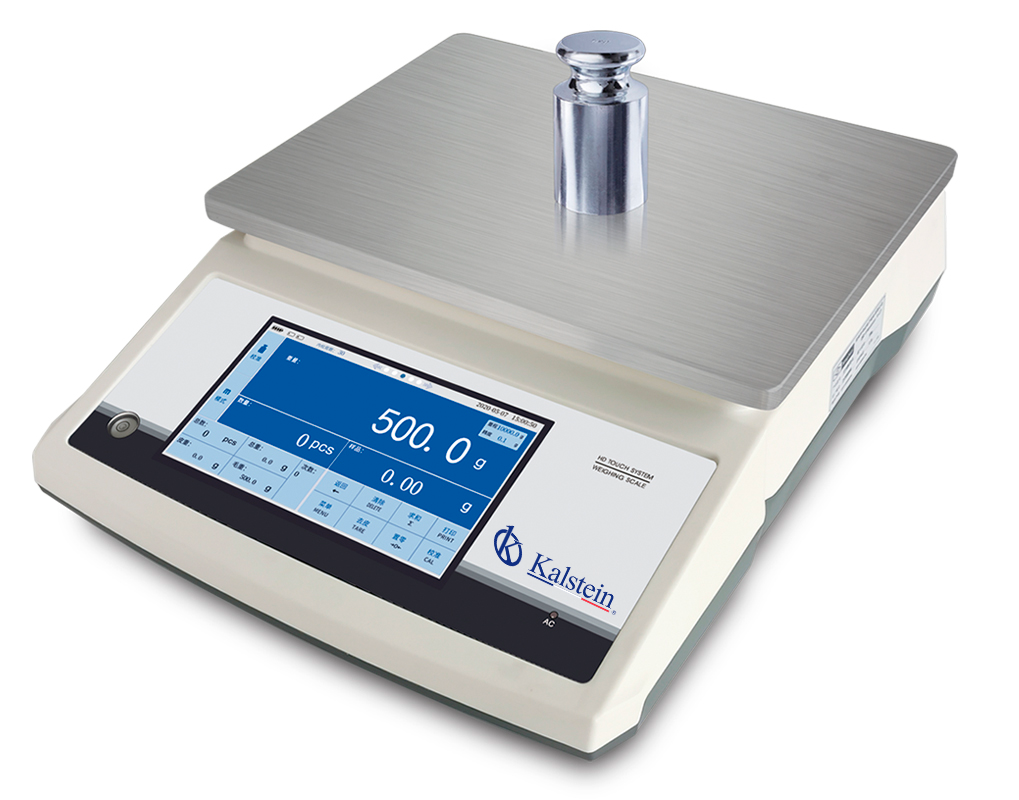
Precision and Reliability: Laboratory Balances for Scientific Applications
In the world of scientific research and technological development, having precise and reliable measuring equipment is crucial. Kalstein's......
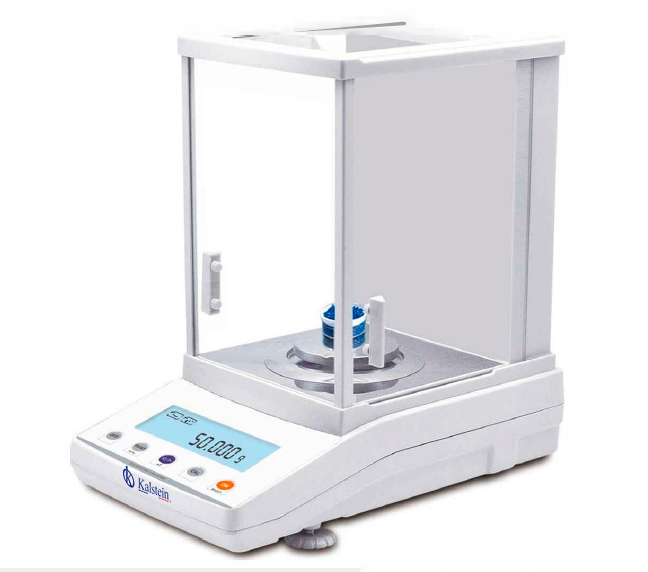
Laboratory balances and their applications
The laboratory scales, developed in 1750 by the Scottish chemist Joseph Black, were more accurate than other scales of that time and represented a breakthrough in chemistry. The sc...
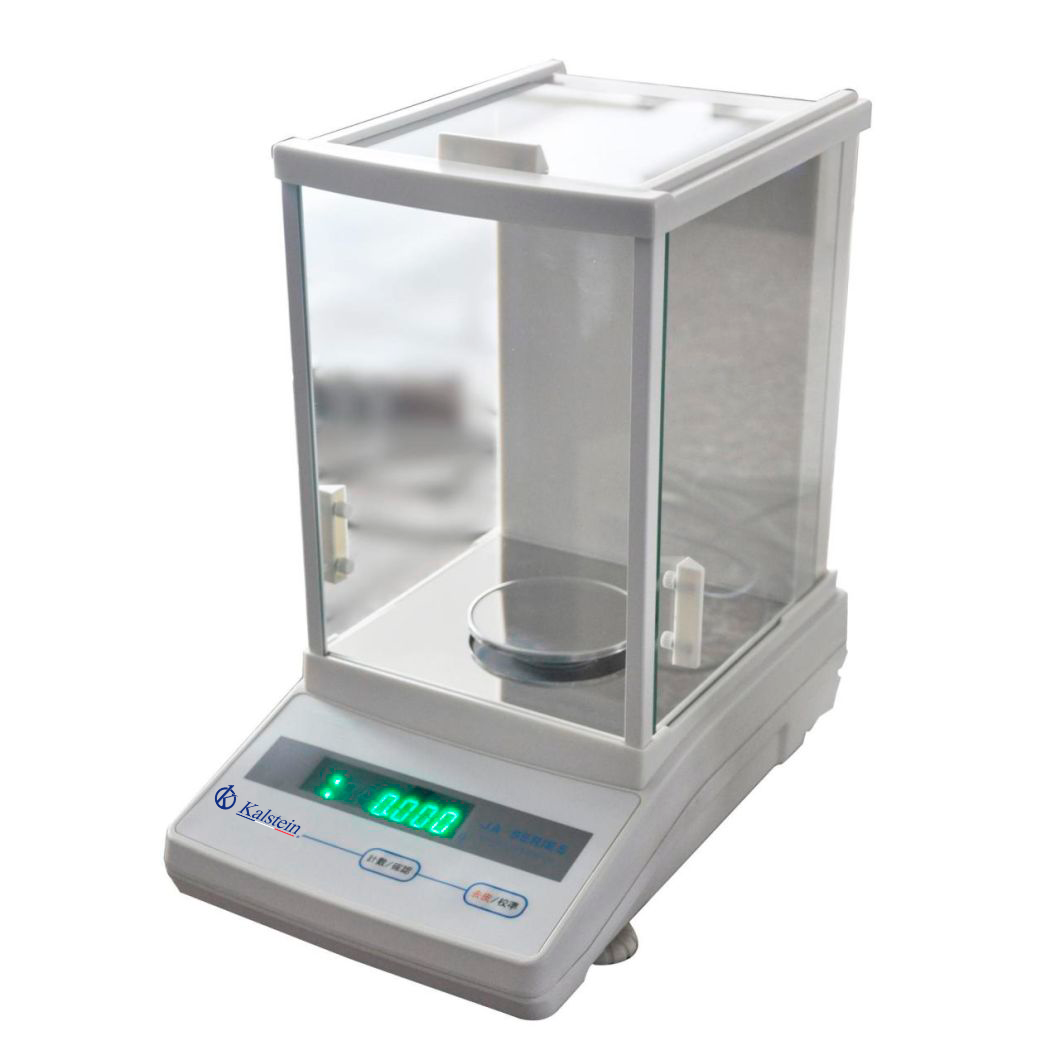
What are the types of laboratory balances?
Laboratory balances are instruments that allow determining the weight of a body, that is, they are responsible for measuring the mass of a body under a very small range of uncertai...
Types of balances in the laboratory
The most common types of laboratory balances and scales are ultramicrobalances, microbalances, semi-microbalances, analytical balances, and precision balances....
balances offer catalog
Guides about balances
Complete guides to choose balances
Types of balances in the laboratory
The most common types of laboratory balances and scales are ultramicrobalances, microbalances, semi-microbalances, analytical balances, and precision balances.
Leer más
Precise Weighing in the Laboratory using Balances
Precise weighing it is one of the most fundamental aspects in chemical, biological and research laboratories. An object’s mass measurement need to have a high degree of precision. Laboratory balances fulfill that important role, giving you
Leer másUsing Electronic Balances
Having the right electronic balances in your laboratory is a fundamental factor when it comes to performing experiments and procedures that require their use. That is why we are letting you know 4 important components to the testing of a pr
Leer másCommon Mistakes When Using an Electronic Balance
Electronic balances are highly valued measuring equipment for chemical, analytical and formulation operations in quality industries and laboratories. They are used, like scales in general, to measure the mass of a body or substance, only th
Leer másFrequently asked questions about Balances
How to know the prices of Balances?
To know the price of Balances, please send us an email with your request through the contact form AQUI.
What are the delivery times for Balances?
Delivery time depends on stock availability and freight type (air or sea). In stock: air 15-30 days, sea 45-60 days. Out of stock: air 30-60 days, sea 60-90 days.
How to make a purchase of Balances?
You can buy by email ([email protected]), phone (+33 (0) 1 70 39 26 50) or through the official Kalstein website in your country.
How does the warranty work for Balances?
All Kalstein equipment comes with a 1-year warranty against manufacturing defects. The warranty does not cover damage from improper installation or misuse. See our «terms and conditions» AQUI.
Can I request a quote online for Balances?
Yes, you can request a quote for the Kalstein equipment you are interested in directly from our official website. Click AQUI.