


How do you explain a patient monitor?
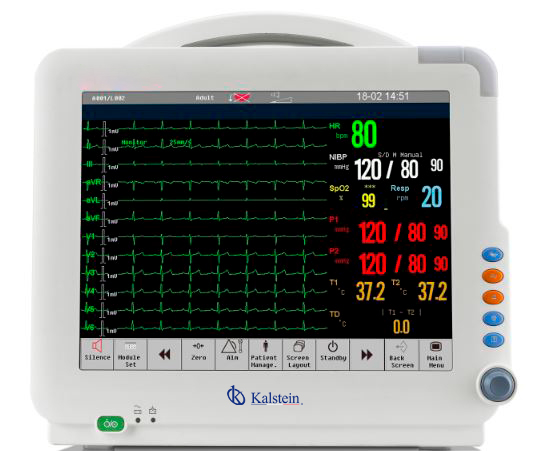
The patient monitor is a multifunctional instrument designed to monitor the vital signs of adult and pediatric patients. It is found in hospitals and clinics and should only be operated by qualified personnel. The equipment is designed to manifest a set of parameters in patients for the purpose of exposing medical data in the trend database, designing alarms and observations.
Patient monitor: rules for use
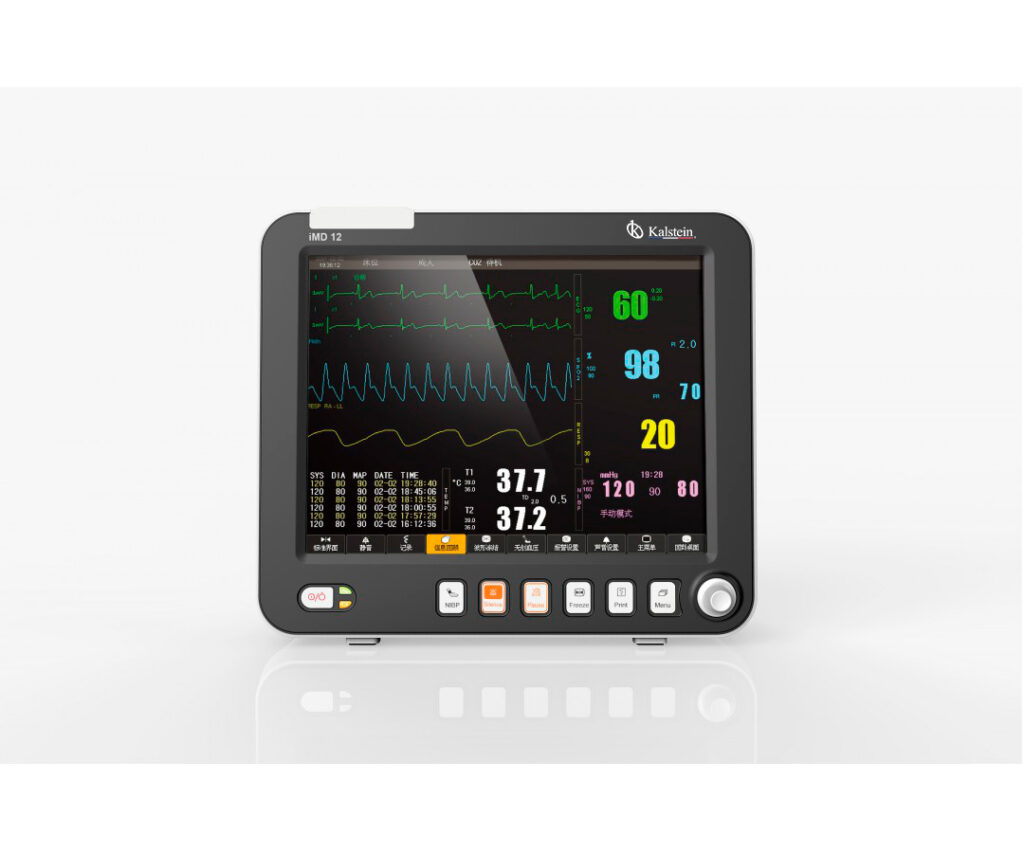
A patient monitor is a medical device that collects and stores the patient’s vital signs, which, linked to alarm systems, process and record the patient’s parameters. They are equipment capable of providing operating facilities for medical staff and modern medical practice. Currently, these patient monitors collect information on various physiological parameters, as well as storing trends and arrhythmia events.
ELISA microplate reader: When do we need to use it?
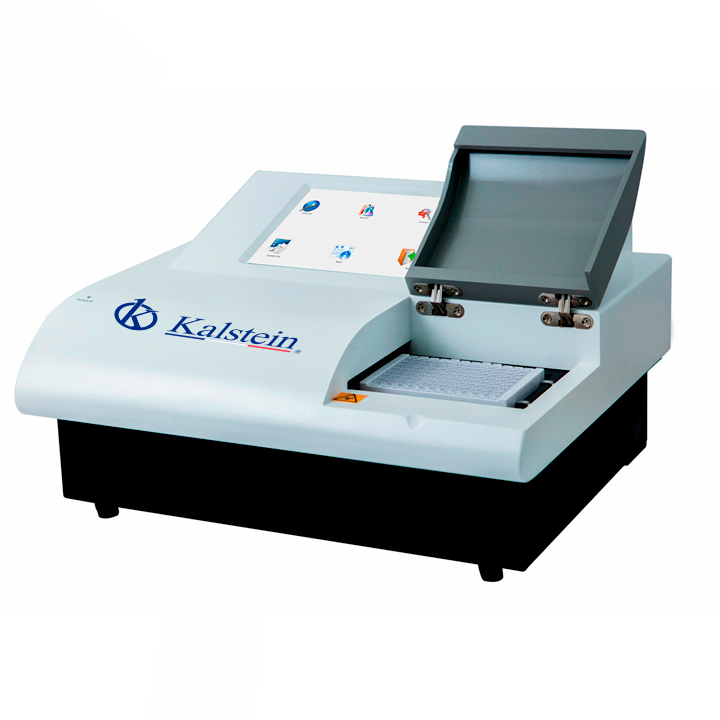
An ELISA microplate reader is a spectrophotometer designed to read the results obtained from the ELISA, this technique is used in laboratories to determine the presence of specific antibodies or antigens in samples. The technique is based on the detection of an antigen or antibodies captured on a solid surface using direct or secondary, labeled antibodies, which produce a reaction whose product can be read by the spectrophotometer.
Bacti-Cinerator features
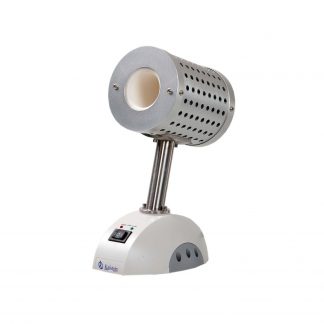
The Bactylographe sterilizer is a gas-free, flameless laboratory instrument for use with microbiological inoculation needles and handles. It performs infrared heat sterilization without dangerous spattering of micro-organisms, to comply with antiseptic techniques widely fundamental in the field of microbiology.
Advantages of Bacti-Cinerator for Infectology Units
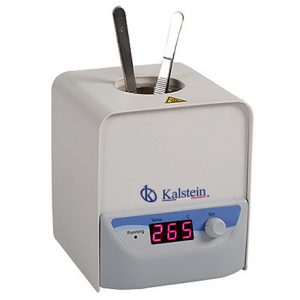
The Bacti-Cinerator is a device that sterilizes handles used in laboratories, responsible for eliminating bacteria using infrared heat from a central ceramic mechanism. This equipment contains no fuel and certifies maximum sterility without splashing on the work surface. Heat is respected as the sterilization medium par excellence, as long as the material can withstand high temperatures without suffering damage. Complete sterilization takes place in 5-7 seconds, at a temperature of 815.6°C (1500°F). It features a sterilization protector, for safer handling of the material, and any remnants left in the smooth area of the quartz tube can be easily removed.
Safety precautions for laboratory use of Bacti-cinerator
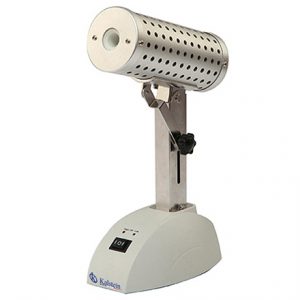
It’s important to observe safety measures, because it’s not just the right way to work, it’s the only way. Consequently, laboratory work involves the use of equipment and other elements, the hazards of which it is mandatory to study in order to prevent in all respects. Thinking about safety measures in the laboratory is a formal requirement, as the risk of accidents such as burns, poisoning, fire or electric shock, are always present.
What are the advantages of homogenizers?
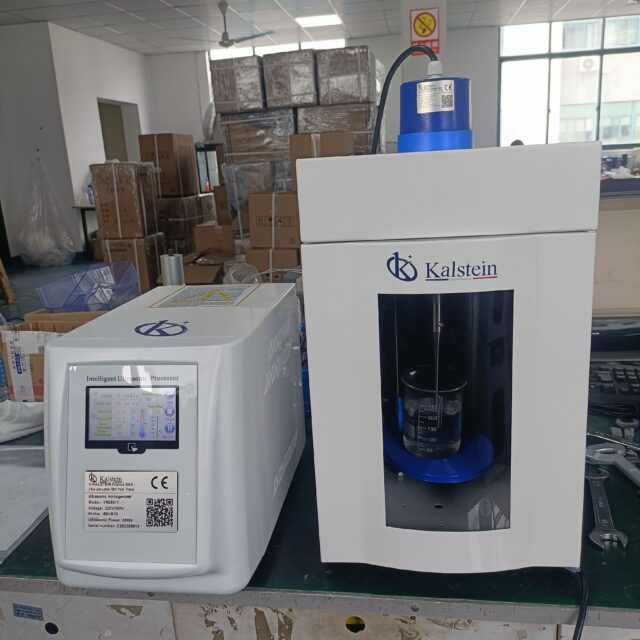
The word homogenize refers to uniformity, i.e. the ability to change a mixture from being formed by several phases to being formed by a single phase, i.e. to be uniform or homogeneous. Homogenization is linked to the use of chemicals, which are intended to be mixed until a uniform solution is obtained, through the use of physical means. Homogenization can be applied to a wide variety of samples, such as tissue, food, plants, soil, among others. This is why it is so useful in many areas of science and industry, including biology, agriculture, chemistry, the cosmetics industry and food, among other disciplines.
What technology does the Homogenizer use?
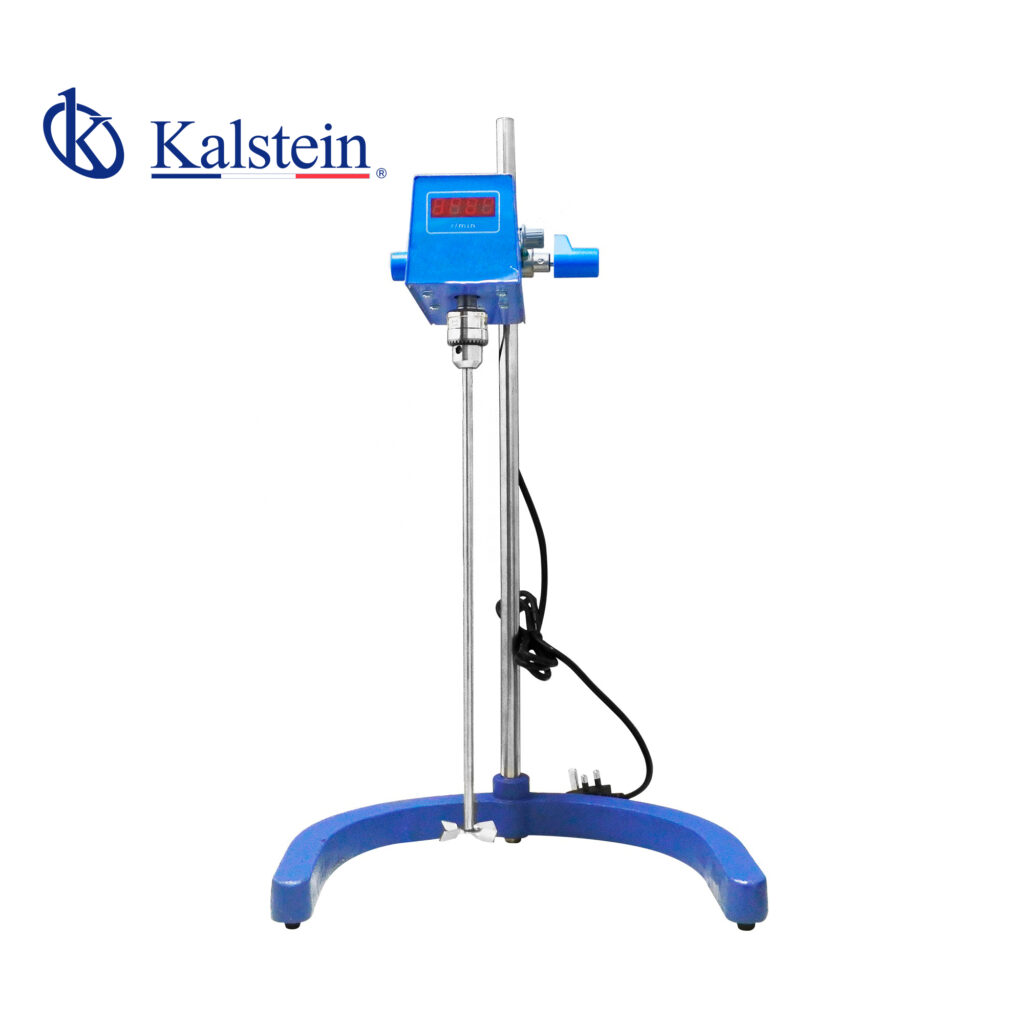
Homogenizers are indispensable in any laboratory, as homogenization is a technique widely used in various fields and with various materials, such as tissue, food, soil, plants and many others. In fields such as biology and biochemistry, homogenizers are used to break up cells and disaggregate tissues, trying to achieve the least possible damage to the plasma membrane. Their operation enables biological samples to be prepared for analysis of proteins or nucleic acids, to study cells, pathogens or metabolic pathways, among other applications.
How do homogenizers work in the food sector?
Homogenizers are essential equipment in food production, as homogenization has become a standard process in the food and beverage industry. The raw materials used in the food sector can be inherently heterogeneous, which can lead to production disadvantages.
The importance of a Fluorometer in the Laboratory
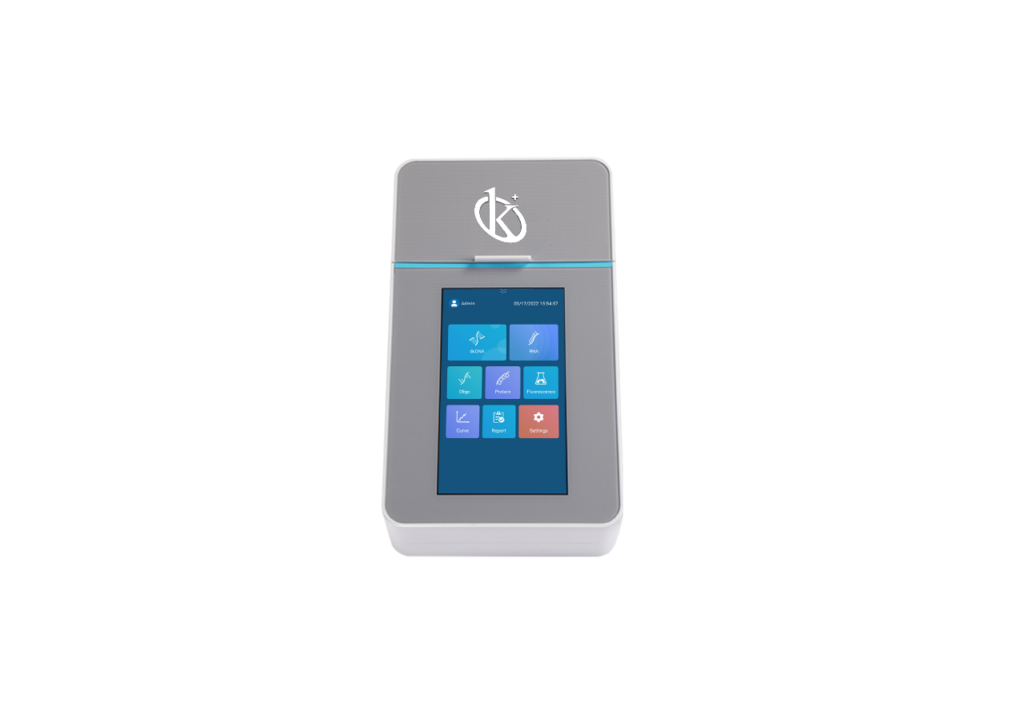
To establish the importance of the equipment that forms part of a laboratory and is indispensable, we need to consider its applications and usefulness within it; in the case of Fluorometers, this device measures the parameters of fluorescence: its intensity and the wavelength distribution of the emission spectrum after excitation by a certain spectrum of light.