


What are the advantages of optical surgical navigation systems?
Using optical surgical navigation systems, it enables the development of surgery through real augmented technological simulation, characterized by sensory perception, adding visual content, such as help guides to make them less invasive and showing the role of personnel as a comparative advantage over virtual reality.
Features of a surgical navigation system
A surgical navigation system is a piece of medical equipment that enables the patient’s anatomy to be visualized during surgery, and the location of the surgical instrument to be accurately tracked. The use of such equipment during various surgical procedures brings greater precision, less invasive interventions and helps achieve better surgical results.
What are the parts of a surgical navigation system?

A surgical navigation system is an image-guided intra-operative localization system, whose main function is to provide the surgeon with real-time feedback on the location of the surgical instrument in relation to the patient’s anatomy. In this way, it aids the planning and execution of surgical procedures in the operating room, guiding surgical instruments such as the electric scalpel. There are two types of navigation system: optical and electromagnetic, offering both flexibility and efficiency combined in a design that takes up little space in the operating room.
Optical surgical navigation systems and cancer

According to the functions of surgical optical navigation, it enables the detection of cancer in patients, in addition to reducing arrival times to the specialist for the sick patient, by providing guidance to identify and overcome barriers that face and prevent early detection, as well as appropriate and timely diagnosis and treatment of the disease. In addition, health experts are achieving new levels of precision and safety in image capture, which are being extended and assisted by computer, amplifying images, facilitating diagnosis, planning and execution of procedures.
What is the function of optical surgical navigation?
Computer-assisted surgery is a computerized method for performing and planning surgical procedures. Surgical optical navigation is seen as the transition from computerized surgery as a traditional building block giving rise to tactile control, stereoscopic vision, manual dexterity and complete visual control of the surgical field.
Surgical navigators: What technology do you use?
A surgical navigator is a sophisticated piece of medical equipment used in the planning and precise execution of surgical procedures in operating theatres, i.e. acting as a guide for other surgical instruments such as the scalpel. Its structure consists of a series of instruments that are linked to screens by sensors using imaging methods.
What is an optical surgical navigation system?
A surgical navigation system is a device that assists in the planning and execution of surgical procedures in operating theatres, i.e. it guides surgical instruments such as scalpels. These are instruments connected to screens by sensors using imaging methods. There are two types of navigation systems: optical and electromagnetic, offering flexibility and efficiency combined in a design that takes up little space in the operating room.
How do I interpret vital signs on a vital signs monitor?
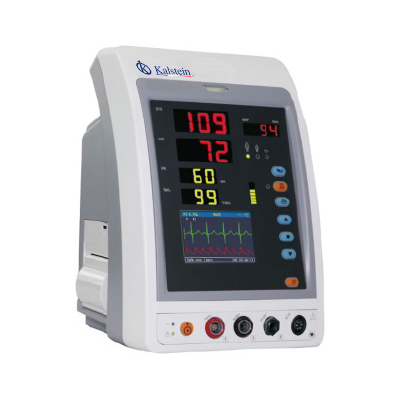
Monitors that record patients’ vital signs, such as pulse, temperature, respiration, oxygen saturation and blood pressure, are overwhelming because of all the numbers, abbreviations, wavy lines and alarms. To understand the mechanism of the monitors, it is necessary to consult a physician and to indicate the meaning of each recording.
Features of a pediatric vital signs monitor
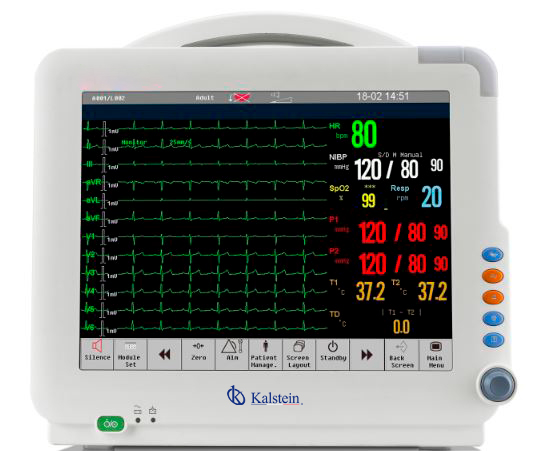
A pediatric vital signs monitor, also known as a child monitor, is an electronic piece of equipment that continuously detects, processes and deploys the vital signs of the pediatric patient, such as: respiration rate, blood pressure, body temperature and pulse.
Patient Monitor, How To Read On A Vital Signs Monitor?
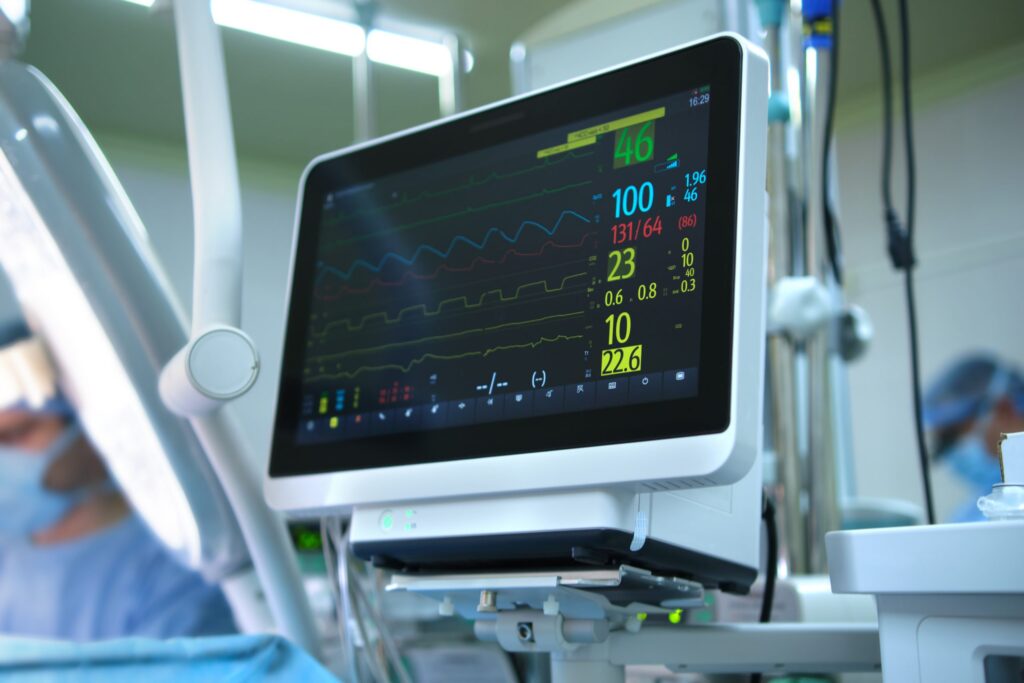
This medical equipment, required in clinics and hospitals, is used to control and monitor the vital signs of the patient connected to the device and who requires continuous monitoring; this device detects, processes and records the patient’s physiological and cardiac parameters, the design of this equipment must be simple to facilitate its use by medical staff, nurses and paramedics.