


Functions of Security Storage Cabinets for Cytotoxic Products
In all workspaces where substances such as cytotoxics and drugs are handled and stored, it is important to have good safety furniture that protects you at all times. Storage cabinets make sure to protect the contents of them from any danger or accident, since working with liquids and delicate substances, is even more so.
Functions of safety storage cabinets for cytotoxic products
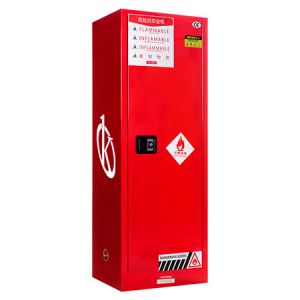
In any workspace where substances such as cytotoxics and drugs are handled and stored, it’s important to have good safety furniture to protect them at all times. Storage cabinets ensure that the contents are protected from any danger or accident, as working with liquids and delicate substances is even more so. On the other hand, […]
When should a Roller Mixer, Magnetic Stirrer and Vortex Stirrer be used in a Laboratory?
Firstly, it is common for both mixers and agitators to be confused, but they have similar functions, which can be differentiated in some respects. In this case, mixers can be applied both in large industries and in small laboratories, for mixing substances, and the roller mixer, is recognized by the smooth balance effective when splicing two or more substances. These may be small kits, when your goal is to mix blood samples in a laboratory, or even different solutions, solvents and solutes in a chemistry laboratory.
How many laboratory water purification systems are there?
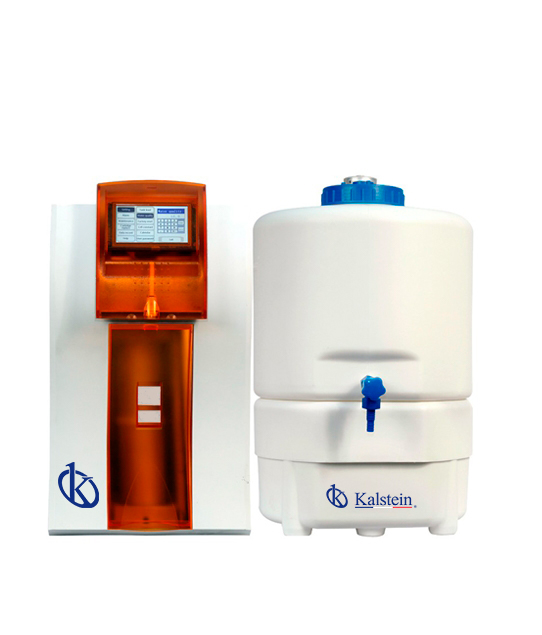
The importance of having quality water in laboratories, focuses on the usefulness and need that purified water represents to wash the glass material, in addition to feeding systems that produce ultrapure water; obtaining quality water is the main concern of laboratory users to carry out accurate experiments and optimal and efficient research; so water purification systems play a very important role; and we must be aware of the variety of systems that exist, their advantages and disadvantages.
Fluorometer for a laboratory: How it works?
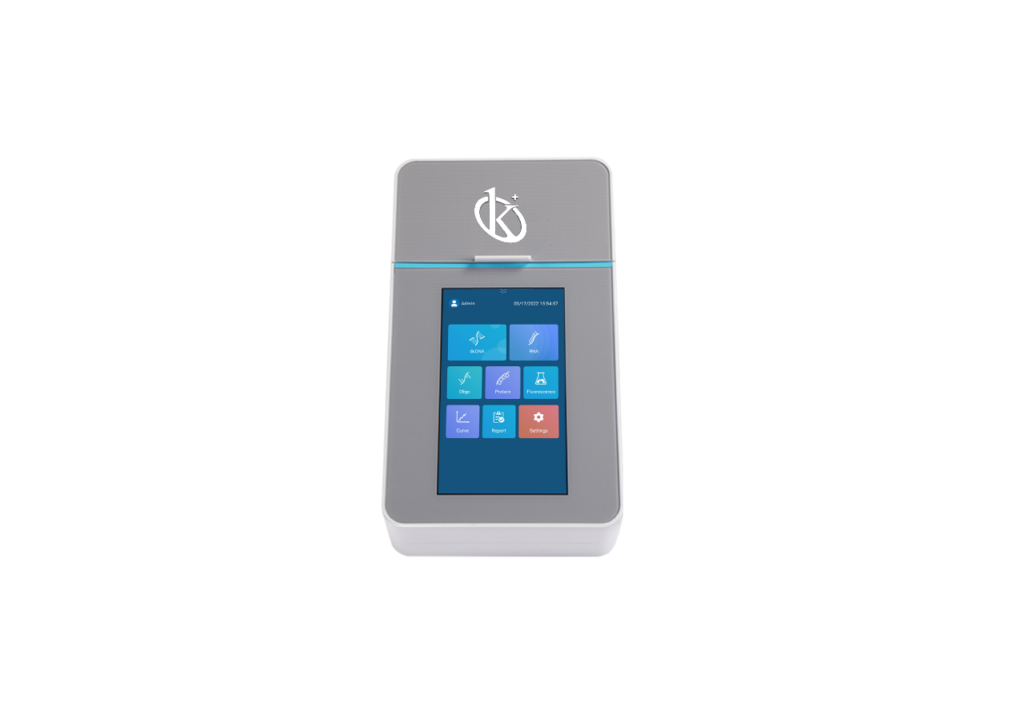
This equipment has as functionality measure the absorbance of all the ingredients in the sample at 260nm, but to be precise the KALSTEIN YR412-A equipment can measure the fluorescence intensity of the fluorescent reagent, which is combined with the target molecule to read the concentration of the sample. In general, the reading is lower than that of the Nano series products, but it is much more accurate, to consult the features and description of our team go HERE.
Fluorometer, How does it work?
A fluorometer is a specialized optical equipment, used in laboratories to measure the fluorescent property or capacity of some biological and mineral samples. These devices are capable of measuring the intensity of the emitted fluorescence and the distribution of the wavelength of the emission spectrum after excitation of a given light spectrum. These parameters are used to determine the presence and quantity of specific molecules in a medium.
¿Sabes cómo funciona una balanza analítica?
La balanza es un instrumento de laboratorio que mide la masa de un cuerpo o sustancia química, utilizando como medio de comparación la fuerza de la gravedad que actúa sobre el cuerpo.
Microtome: avantages et inconvénients
Microtomas are sharp instruments for preparing preparations used in microscopy. To meet the high demands of such preparations, microtomas allow extremely fine cups. Modern microtomas allow cuts with a thickness of 0.1 to 100 μm. As a comparative basis: Human hair has a thickness of between 50 and 70 μm.
Use of a High Speed Refrigerated Centrifuge in your lab
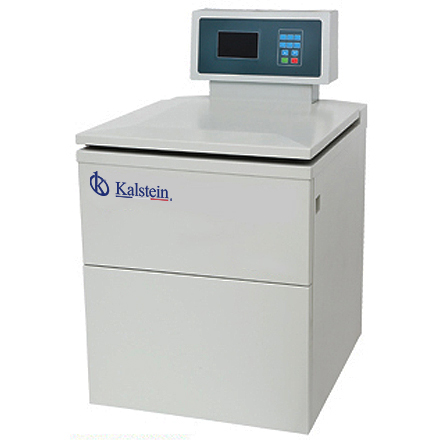
When you start setting your laboratory, one of the first devices you need to think about is a centrifuge. This is a device that is capable of separate any kind of samples, depending on your needs and tests. High Speed Refrigerated Centrifuge work by a separation method where the components of a sample are separated based on their density according to the centrifugal force they experience.
Autoclaves: What types of water should I use?
An autoclave is a piece of equipment that allows the sterilization of medical, dental and laboratory material, using steam under pressure and temperature as sterilizing agents. This makes it possible to eliminate any trace of viruses, bacteria, fungi and spores in the materials, liquids or solids that are placed inside.