


PCR in scientific research
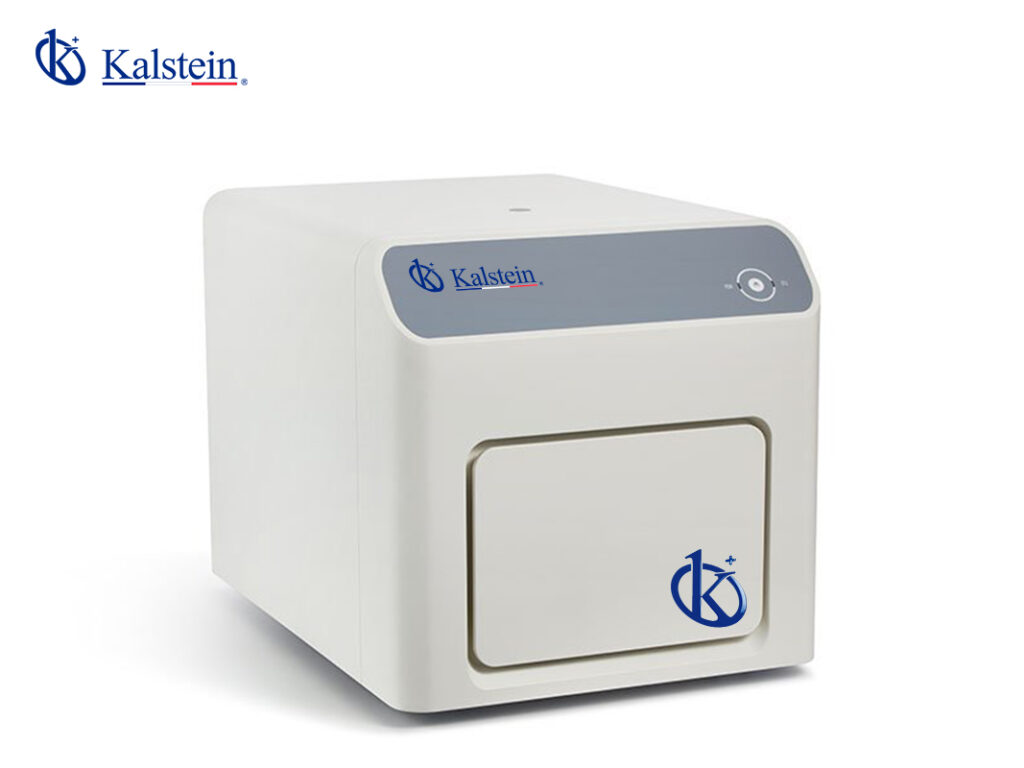
The polymerase chain reaction (PCR) is one of the scientific advances that had the greatest impact during the 20th century. This technique was created by the biochemist Kary Mullis, with the aim of serving as a method to amplify DNA and synthesize a large amount of it. Later, as PCR became known, a group of scientists discovered the great contribution it could have in molecular biology, which led them to investigate and perfect it to transform it from a theoretical process to a reality.
How to store water from the water purification system in the laboratory?
The amount of water produced by the purification systems of the laboratories is sometimes insufficient for the demand they must supply, so the storage of pure water (type II) is used for the production of ultrapure water (type I).
How is the filter change performed in the water purification system in the laboratory?
Water production and maintenance of a water purification system should be simple processes. However, if proper maintenance practice has not been followed, they may become a problem. In particular, the aspect related to water production is important, because the water quality standards for the laboratory are strict. Water purification systems need to be able to meet the requirements of these standards, consistently and at the appropriate volume.
Methods of Infant Nutritional Assessment using Multiparameter Monitors
The use of multiparameter monitors has become standardized in industry and clinical practice in recent years. These devices are expected to become increasingly popular in the coming years, as they offer a cost-effective and convenient way to monitor people’s health and well-being.
Energy efficiency of nitrogen use in industrial processes
Energy efficiency is one of the main topics discussed in the fields of renewable energy, carbon capture and storage, biofuel production, wind and solar energy, and many other fields. Energy efficiency refers to the use of the least amount of energy possible to obtain the most desired results.
Obtaining quantitative data from the reading of a Colorimeter
The Colorimeter is an optical device that can be used to measure the absorption of a chemical at a specific wavelength of light. This wavelength can be adjusted by using a filter and can be measured with a photometer. The colorimeter is often used to analyze the chlorophyll content in plants.
Use of the Colorimeter in scientific research
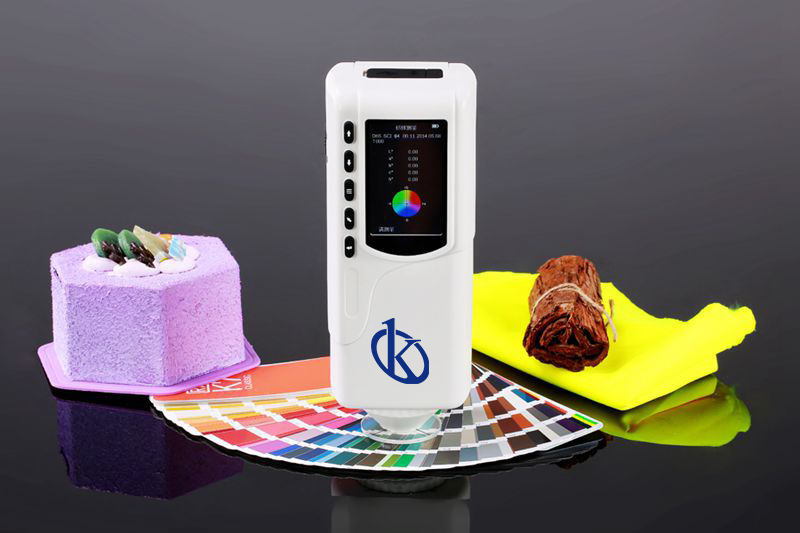
The colorimeter is a very sensitive measuring tool used in scientific research to determine the content of a substance in a sample. It is an instrument that measures the intensity of a color and is based on the principle of selective absorption: a substance that absorbs a specific wavelength of light will appear darker than other substances that do not absorb it. The colorimeter is used to quantify concentrations of substances in solutions, and has also been used in the investigation of color mixtures to establish the degree of mixing.
Top tips for saving money when buying lab furniture
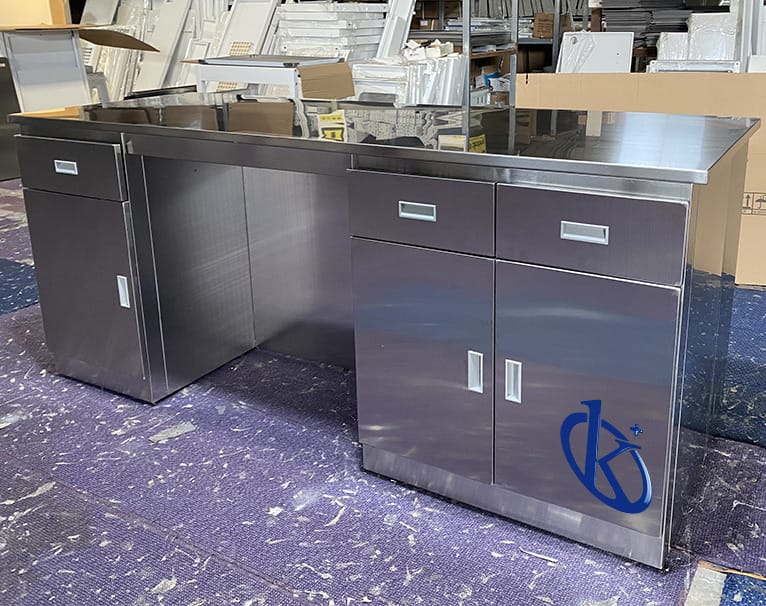
At present, if there is anything essential in the life of any company or business is the equipment of laboratories; these laboratories, increasingly technologically advanced, boost professional development and contribute significantly to the productivity of the company.
The current trends in laboratory furniture
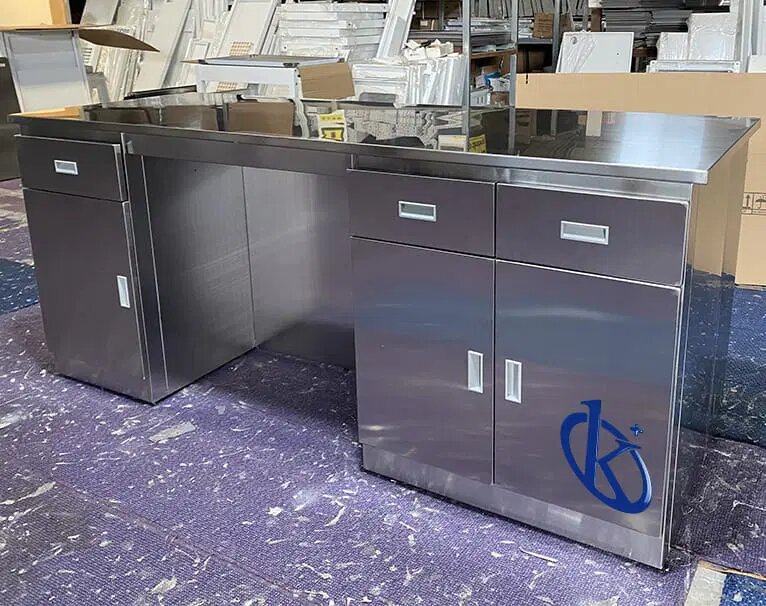
Modern laboratory furniture offers many innovative solutions to keep your workspace efficient and safe; laboratory furniture is used both in office environments and in laboratory environments where safety and ergonomics are a priority. With the advancement of technology, there are more and more emerging trends around this topic; first, there are deep cleaning equipment that optimizes the use of limited spaces; these equipment include suitable cabinets for storing sensitive equipment or flammable products.
Use of Halogen Moisture Analyzers to determine physical and chemical properties of samples
A halogen moisture analyzer is a device used to measure the amount of moisture present in a sample. The measurement is made by introducing a small amount of halogen into the sample, which allows the moisture to evaporate and transfer to the analyzer. The analyzer then measures the amount of halogen transferred and calculates the amount of moisture present in the sample.