


What are the best materials for building dental chairs?
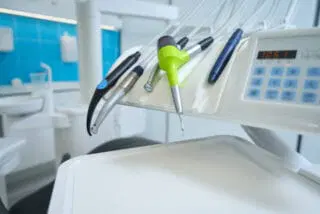
As technology advances, dental chair construction materials (and other dental equipment) also need to be improved to meet overall needs; this means that manufacturers must pay attention to both safety and comfort in the design of their dental chairs.
How do I clean Pipettes after using them?
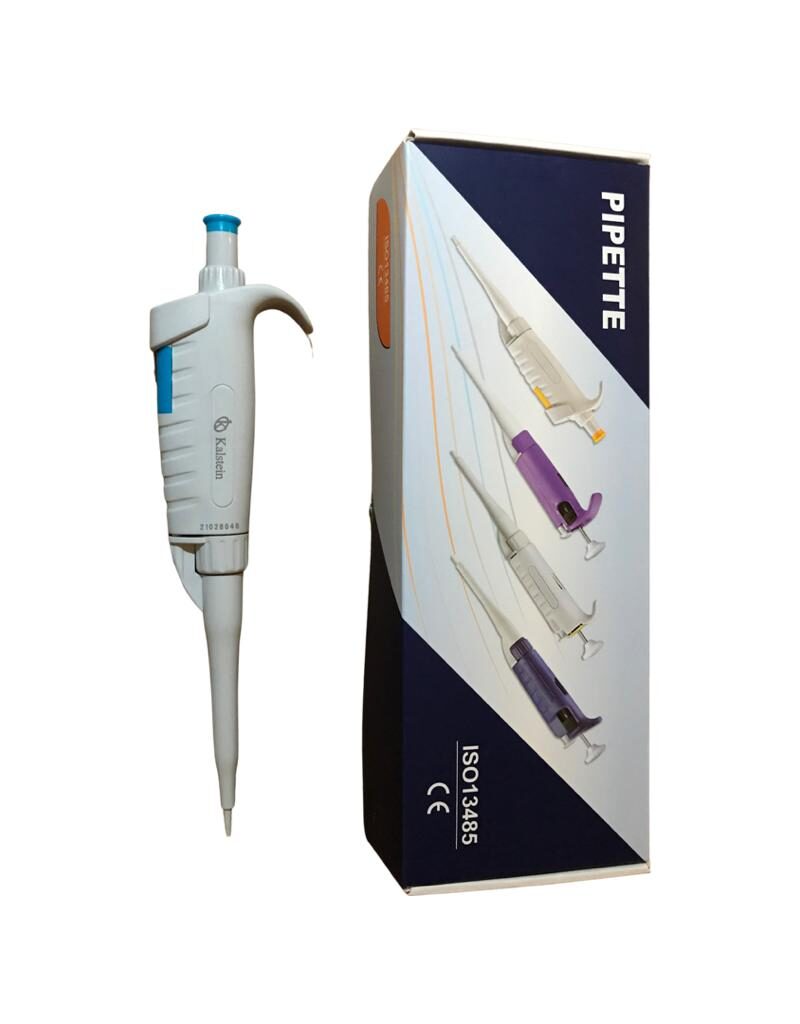
Pipettes are small, thin tubes used to transfer small amounts of liquid from one container to another. They are commonly used in laboratories to measure and dispense small volumes of fluids.
The most common pipettes used in the laboratory
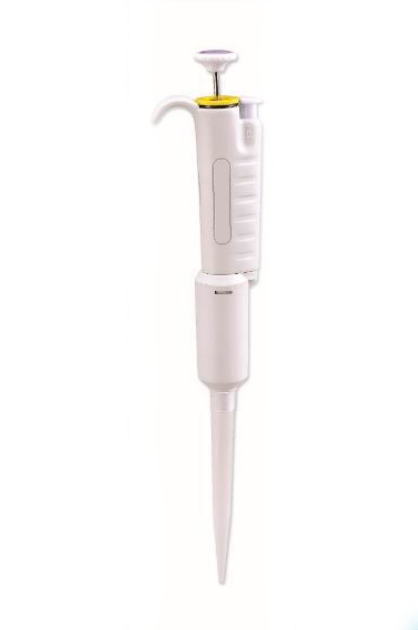
Pipettes are a very useful tool for the laboratory, but they must be used with care to ensure accurate measurement. Although there are different types and sizes of pipettes, the most common are the 5, 10 and 25 mL pipettes. The 5 mL pipettes are generally used for drawing small samples, while the 10 and 25 mL pipettes are used for drawing larger samples. However, 25 mL pipettes are more difficult to use and require more skill.
Food Preservation with the Use of Combination Freezers
Food freezing is a process used to preserve food for an extended period of time. The objective of freezing food is to avoid the proliferation of microorganisms that cause food spoilage. Frozen foods are kept in good nutritional and organoleptic condition because air and light contact is avoided, chemical reactions are reduced and bacterial metabolism is interrupted. Food freezing can be carried out in several ways, but the most common is the use of combination freezers.
Storage of Hematological Plasmas with the use of Laboratory Freezers
A laboratory freezer is a freezer used to store samples for scientific or medical purposes. These freezers are designed to maintain a constant temperature and prevent samples from thawing or freezing. They come in a variety of sizes and shapes to meet the needs of different laboratories.
Maintenance of rotary evaporators: how to extend the service life?
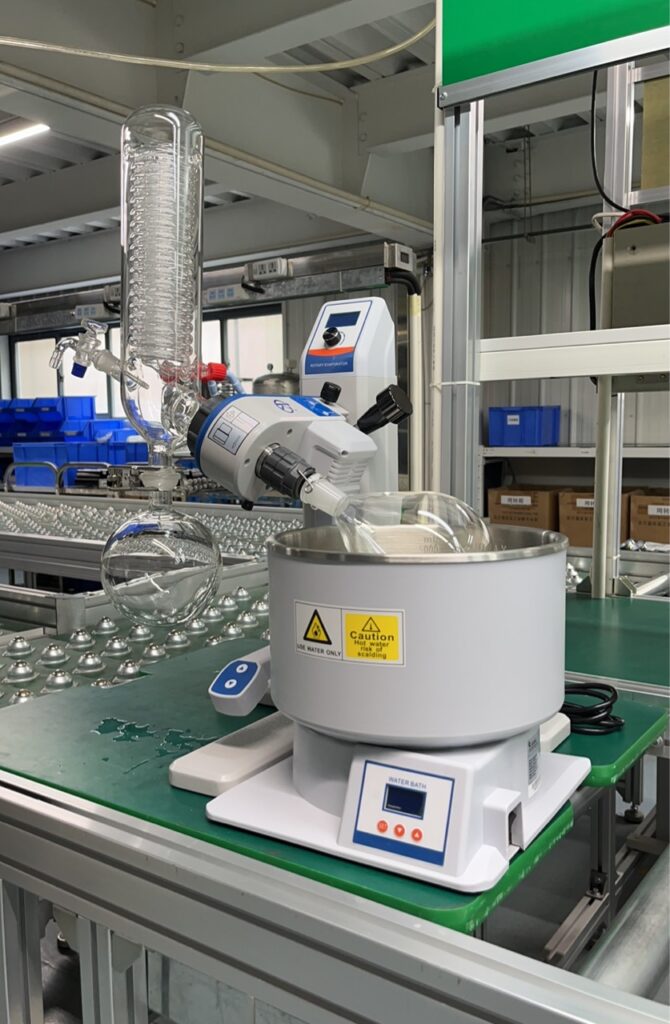
Rotary evaporators are an essential part of laboratory equipment, and their proper maintenance is crucial to ensure optimum performance and prolong their service life. It is a device used to remove solvents from mixtures by evaporation. A V-shaped boiling flask with a condenser above it is used for this purpose. A vacuum is created in the flask which causes the liquid to boil at a lower temperature. This allows the solvent to be removed without damaging the other components of the mixture.
Why is it more efficient to use a rotary evaporator to concentrate laboratory samples?
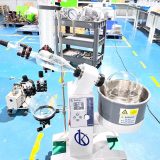
A rotary evaporator is a very useful and efficient instrument for concentrating samples in the laboratory, as it evaporates the solvent in a controlled manner and leaves the sample in the container without damaging it. This is very important, as it avoids sample loss and guarantees a correct concentration.
Applications of nitrogen tanks in oil refining processes
Nitrogen tanks have become an essential tool in recent years to manipulate oil refining processes. The benefits these tanks provide have only recently begun to be discovered, but they are already beginning to be used in a wide variety of industries dealing with liquid fluids. Nitrogen tanks allow the improvement of the quality of the final products and increase the efficiency of the refining processes.
Electron microscopy for understanding the chemical structure of foodstuffs
Electron microscopy is an effective method to evaluate the chemical nature of ingredients and provides complementary information for chemical analysis. The purpose of this type of study applied to food science and technology is to provide data on the quality of the nutrients present; to detect irregularities in their physical structure; to detect the level of processing of the components in the food; to detect contaminants and microbiological growth; to determine fat content; among others.
What potential does the thermal cycler offer in the laboratory?
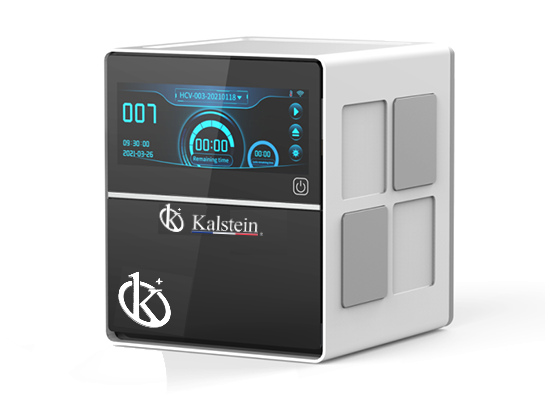
The polymerase chain reaction (PCR) is an enzymatic process by which a section of DNA can be duplicated as many times as desired. It is also referred to as polymerase chain reaction, which is why the method is also abbreviated to PCR. Today, this technique has become a very promising part of molecular biology, since, among other things, it can be used.