


How is the safety of products stored in a laboratory freezer ensured?
Safety in the laboratory is very important, especially when it comes to products stored in ultra freezers. These devices are very useful tools nowadays, since they allow to keep products at much lower temperatures than conventional freezers. These low temperatures significantly increase the life span and quality of assets, and thus their safety. However, safe and efficient storage in these devices is not achieved by simply implementing the freezer.
How do you optimize the energy efficiency of an ultra freezer?
In the modern world, energy efficiency is key to the proper functioning of any business and especially for those engaged in the health and research sector. Ultra-freezers are essential for these centers, as they ensure the conservation of food or other biological materials for long periods. Having a good energy saving in this equipment is essential for all research, laboratory or industrial sectors. Understanding the importance of energy savings is essential for business activities and technological development. These types of appliances require a significant amount of energy to maintain low temperatures, so more efficient use will have a considerable impact on operating costs.
Conductivity meter applications
A conductivity meter is a scientific instrument used to measure the electrical conductivity of a solution. The results obtained from a conductivity meter are useful in a number of different scientific fields, including chemistry, biology and medicine.
Use of the PH Meter to determine the degree of reduction of a sample
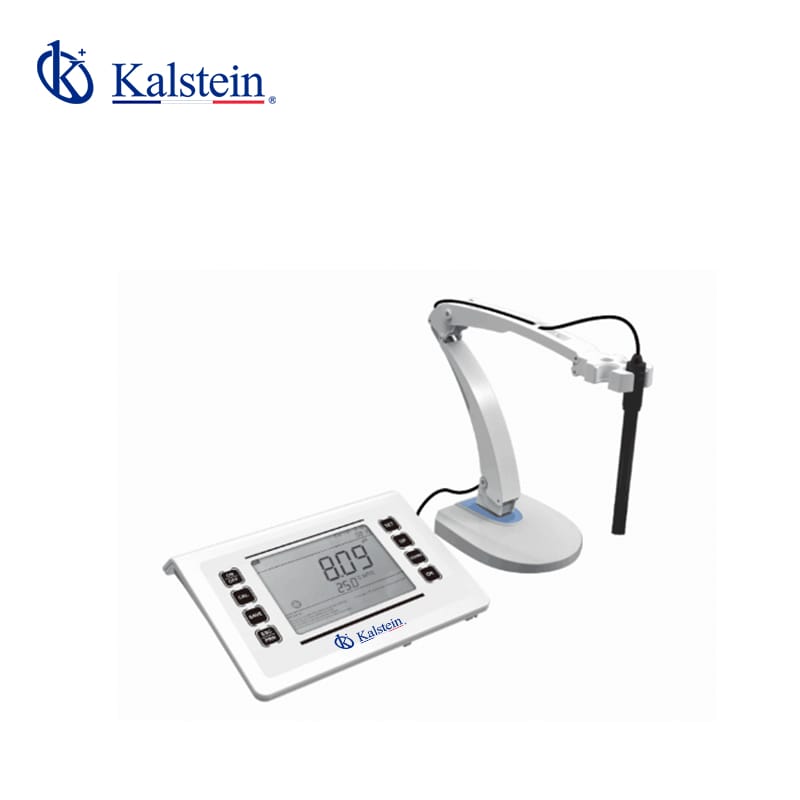
The pH meter is used to determine the degree of decrease in a sample. This is important because it indicates the amount of acid or base in the sample and determines the degree of contamination. Likewise, it measures the concentration of H+ ions in a sample, where this is directly related to the alkalinity of the sample, the higher the ion concentration, the more acidic the sample. Conversely, the lower the ion concentration, the more basic the sample.
How can Incubator Performance be improved?
A laboratory incubator is a machine used to grow and maintain bacteria, tissue cells and other microorganisms. The optimum growth environment for most microorganisms is between 30°C and 40°C, with a humidity of about 90%. The incubator should have a means to control both temperature and humidity.
What are the disadvantages of using a Laboratory Incubator?
An incubator is a chamber used to maintain optimal conditions for industrial or scientific processes. The temperature and humidity inside an incubator are carefully monitored and regulated to create a suitable environment for incubation, bacterial cultures or tissue samples.
DIY Distillation: Turning Water into Gold for Laboratories

While small laboratories ensure that we get reliable products and drugs, superior quality also means operating expenses; high-quality distillation equipment is expensive and time-consuming to maintain.
What types of tests can be performed with a climatic chamber?
A quality control of a product cannot provide adequate guarantees to oneself and its buyers if it is not carried out in an environment with controlled environmental conditions.
How could the lack of ventilation affect the health of premature babies in the incubator?
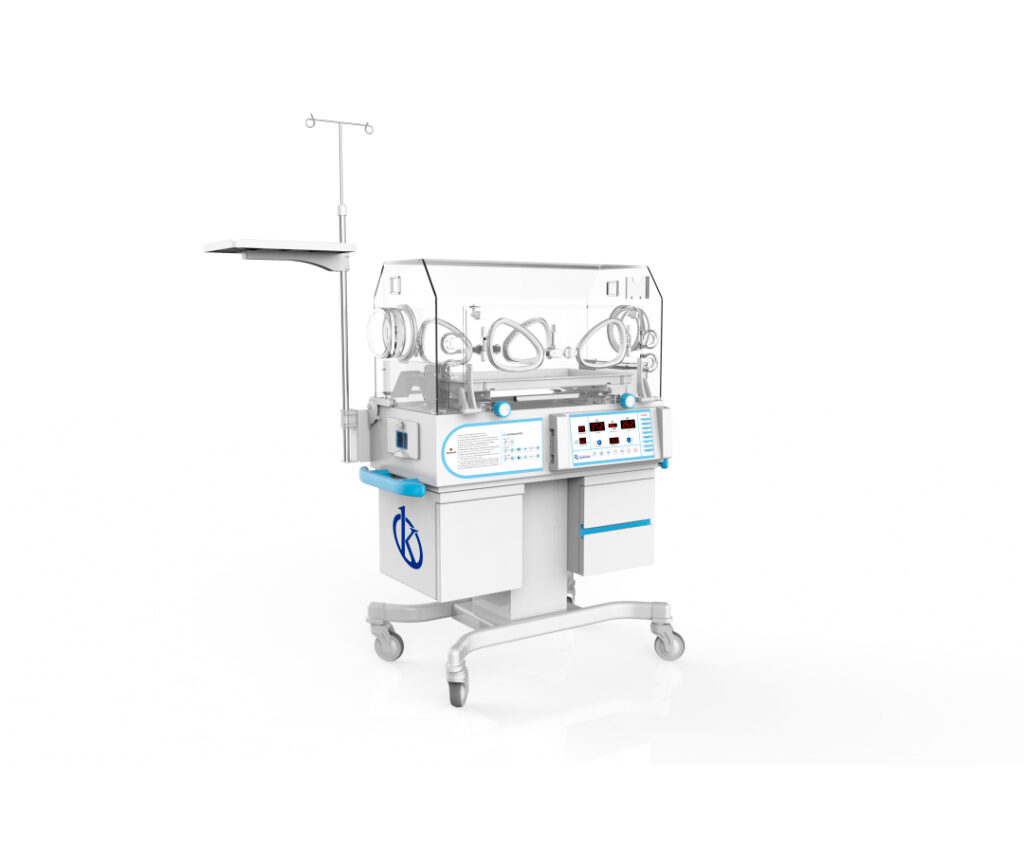
The health of premature infants in the incubator depends to a large extent on adequate ventilation; ventilation refers to the flow of air inside the incubator, which is responsible for the supply of oxygen to premature infants; lack of ventilation affects not only the health of these infants, but also their development.
How can laboratory water processes be improved?
Laboratory water quality is essential for accurate results, as any impurity in water can have a profound effect on the results of experiments. The ability of a laboratory to control water processes directly influences the results of the research, which is why several processes should be implemented to improve water quality and ensure that the results are reliable.