


Vulcanization of automotive parts with the use of the Gas Autoclave
Gas autoclave vulcanization is a manufacturing process widely used in the automotive industry, especially for the manufacture of rubber and rubber parts. The process is done by applying heat and pressure in an autoclave chamber, which allows vulcanizing the material more effectively. The equipment is characterized by its ability to reach high temperatures and pressures, making it ideal for improving parts. In addition, it is a relatively fast process, which allows to increase the efficiency and quality of vulcanized parts.
Wood preservation for the prevention of biological agents with the use of the Gas Autoclave
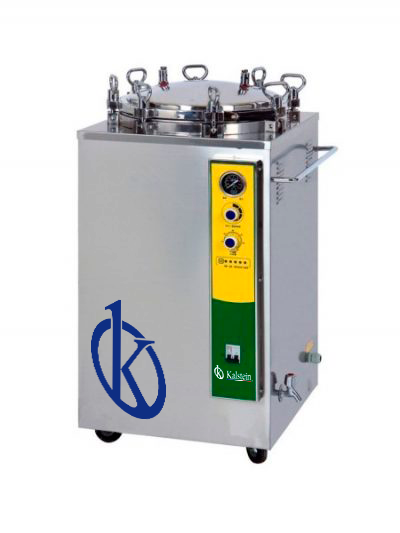
Wood is a natural material that has been used for thousands of years to build structures and objects of all kinds. Although it is a very durable material, wood can deteriorate if not properly cared for. Preservation of wood is essential to extend its useful life and maintain its original appearance.
Why is the use of the Gas Autoclave important in the Food sector?
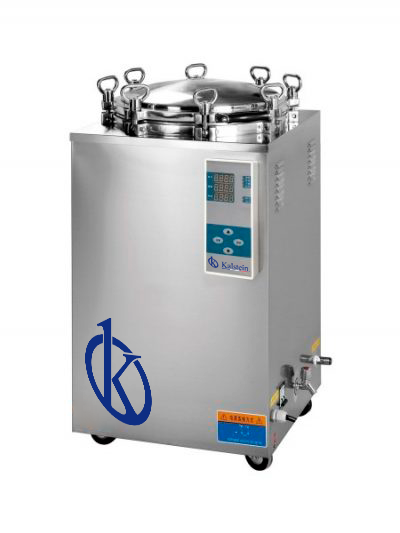
The food industry is regulated by a series of laws and standards that guarantee the quality and safety of food. One of the fundamental principles of food safety is the control of microbial contamination.
Importance of the tissue processor in determining Ehlers-Danlos syndrome
The term Ehlers-Danlos syndrome includes a heterogeneous group of hereditary connective tissue disorders with common characteristics. Patients with this syndrome may present with joint hyperlaxity, soft, hyperextensible skin, abnormal wound healing, and easy bruising. Thirteen clinical subtypes of Ehlers-Danlos syndrome have been detected and the molecular cause of 12 of them is known.
Use of the tissue flotation bath to detect imperfect osteogenesis
Imperfect osteogenesis is a hereditary disorder that affects the skeleton, characterized by fragile bones, a high frequency of fractures, bone deformities, and growth deficiencies. Because the production of type I collagen is compromised, people with this disorder may also have other clinical symptoms, such as brittle teeth, blue sclera, hearing loss, reduced respiratory function, and heart problems, such as valve regurgitation.
How does Shaker work in the making of cosmetic products?

Cosmetic products are much more than creams, lotions, gels and any other substance that is put on top of the skin to improve people’s well-being. However, cosmetics cover a much wider spectrum and with many differences between them, in terms of composition and functionality.
The use of Shaker Agitators for the homogenization of substances in the food sector
The foods we consume, in most cases, are made up of a rather limited variety of substances or structural elements, such as droplets, air cells, grains of different size, crystals, filaments, micelles and interfaces. Therefore, in order to understand correctly the behavior of a food, it is pertinent to know its composition, the way in which the structural elements and their interactions are spatially distributed.
Importance of Microplate Washer for the diagnosis of Chagas disease
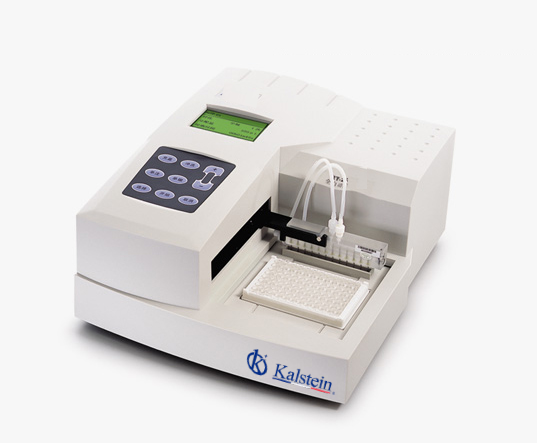
Due to the need to deploy natural processes that discover good relationship with conventional studies used for the determination of Chagas disease, the microplate washer becomes the ideal tool for such purposes. Although it is a team that does not detect diseases, its participation together with the functions of the reader of Elisa, are part of the results.
Using the Microplate Washing Machine for COVID-19 determination
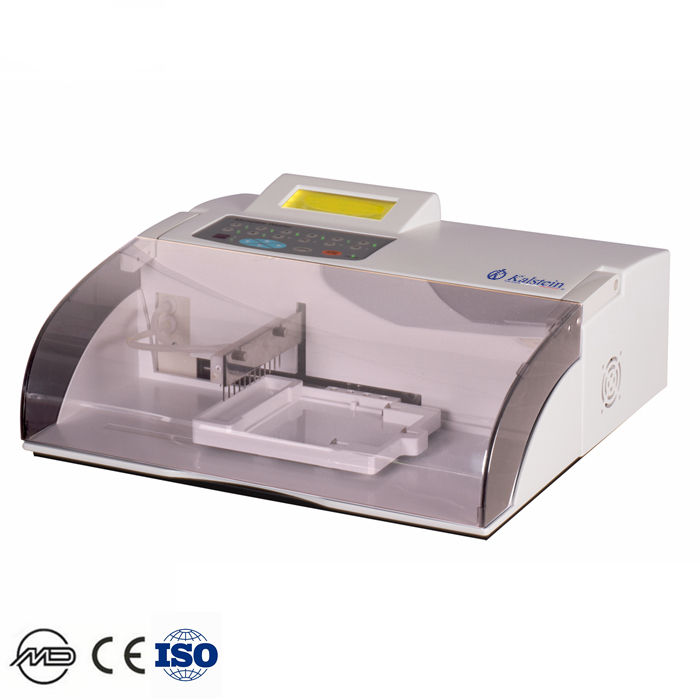
The microplate washer is laboratory equipment designed to clean the wells of the plate containing study samples. It is an autonomous tool used in biochemistry tests, which eliminates all kinds of waste and reagents that did not react. For the science practices for 96 or 384 wells are angle probe to access subtle flushing of cell types with easy adherence.
The refractometer to measure water salinity
At present, salinity is usually defined as the concentration (g/L or ppt) of dissolved salts, i.e. is the amount of salt in the water, which does not depend on temperature. It should be noted that the original concept emerged around 1901, when the International Council for the Exploration of the Sea (CIE) commissioned the Danish Martin Knudsen to research the ionic properties of seawater and how it related to chloride content.