


Recirculation baths and Mary’s baths: What are their differences?
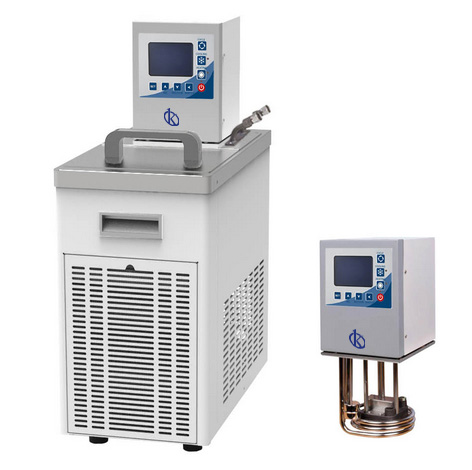
A recirculation bath is a laboratory device, consisting of a water bath with a built-in water recirculation pump, an ideal equipment for any application where the placing of several samples in a water bath is required, these equipment provide a constant and reliable temperature, and work by mobilizing the liquid while providing the set temperature. They can be used together with other laboratory equipment, for example, to maintain the temperature of a water jacket, or for a rotary evaporator.
Why is a bacti-cinerator important?
A bacterium-incinerator is a device used in microbiology laboratories to sterilize instruments, consisting of a ceramic tube surrounded by metal and with a hollow portion in the center. When ignited, the bacti-incinerator can reach temperatures around 800 degrees Celsius, enough to incinerate any organic material in an inoculation roast.
What are the differences between N-type and B-type autoclaves?
An autoclave is a cylindrical instrument, vertical or horizontal, designed to work with a high internal pressure, and used to sterilize materials and instruments using water vapor at high pressure and temperature. This equipment consists of a metal container with thick walls and hermetic closure, which allows sterilizing under high pressure, ensuring maximum disinfection of all clinical, laboratory, and dental materials.
How does a pathology lab work?
A pathology laboratory is a medical service responsible for processing samples from biopsies and cytologies by professionals specialized in the field, for subsequent microscopic examination, interpretation and diagnosis by a pathologist.
What is forensic pathology?
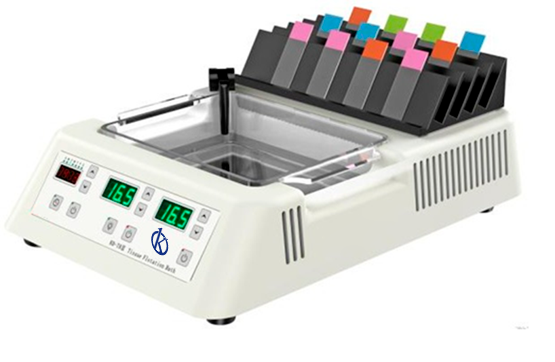
Forensic pathology is a specialty that applies the methods, techniques and knowledge of pathological anatomy and cytopathology in the resolution of judicial or legal problems, carrying out the study of the cause and manner of death through a legal medical autopsy.
Laboratory Rotators
Laboratory rotators are devices used to mix tubes with fluids such as blood, biological fluids, solutions, among others, to obtain homogeneous suspensions, or that there is dispersion, heat transfer. They are equipment consisting of an electric motor with a drive shaft oriented vertically and attached to a lightly mounted rubber part, or to an arm attached to a moving rack, to mix liquids or prepare solutions and suspensions.
What are the Features and Applications of a Semen Analyser?
The semen analyser is a medical team that has different properties adapted to the type of user, in charge of measuring the quantity and quality of sperm, and checking the existence or not of problems, with the activity of the same.
How many types of muffles are there?
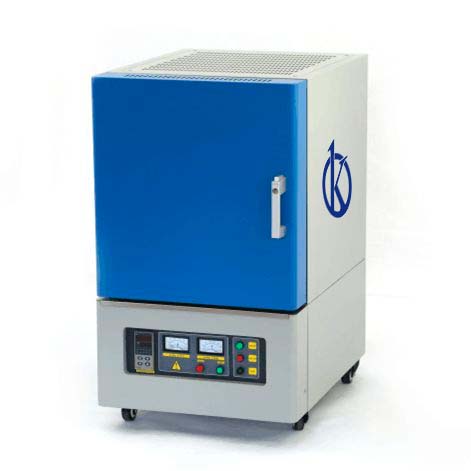
Muffles are versatile units capable of incinerating materials and melting metals, through thermal energy. They are used within laboratories, for the calcination of substances, drying of samples, control processes, heat treatments, hardening and cleaning of injection molds.
How many types of Microplate Washer are there?
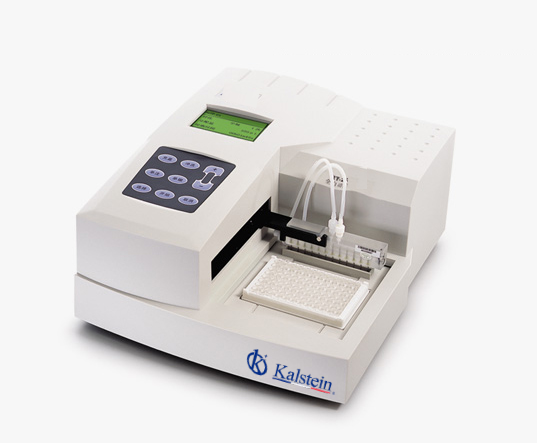
The microplate washer is a device that is usually used in laboratories, to remove any substance that has been adhered to the equipment. The device, is used for biochemical study tests, and is suitable for washing wells with different bottom shapes, type U or V, and the unit, ensures the maturation of solutions, by combining suction – dispensing liquid and soaking, for a certain period of time.
What are the uses of a oven or oven in a laboratory?
It is a device used in the laboratory, to sterilize and dry glass or metal containers, removing all moisture from the containers. In addition, it transmits temperatures higher than those of the environment, allowing to remove all moisture. It also offers dry heat sterilization at temperatures of 180 degrees Celsius for about 2 hours, leaving completely free of any biological activity.