


Laboratory balances and their applications
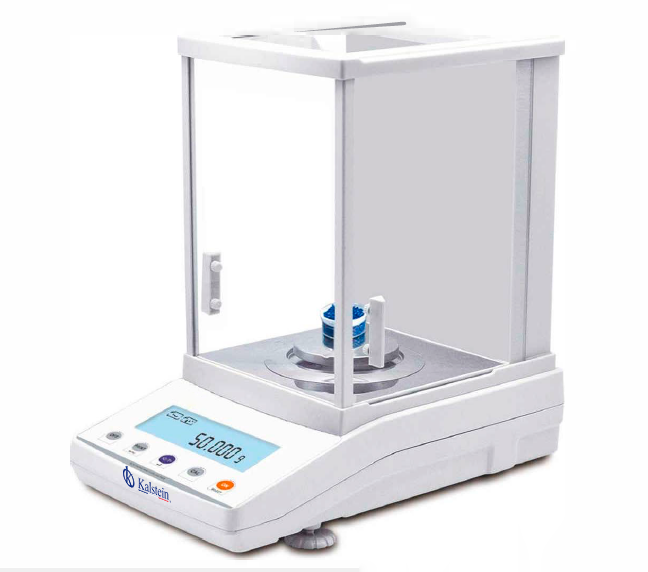
The laboratory scales, developed in 1750 by the Scottish chemist Joseph Black, were more accurate than other scales of that time and represented a breakthrough in chemistry. The scale is an essential tool for any laboratory, which are used to reach the measurement and weigh the mass of a body or substance.
How to choose the ideal Balance for your Laboratory?
It is essential to know the functions offered by the scales that suit the requirements of the laboratories, and for this, it must take into account the design, size, calibration capacities, weighing capacity, weighing units (grams, kg and / or lbs.), margin of error and battery durability. Based on this, the analytical balance meets the requirements within the laboratories, offering more accurate results, and easier reading.
Is a power supply important for an electrophoresis camera?
A power supply for electrophoresis, is a device whose purpose is to supply direct and constant current to an electrophoresis system, must have a voltage control to manage the supply of current entering the system. That is, these sources provide the electrical current needed for the electrophoresis process to occur properly.
Laboratory homogenizers and their applications
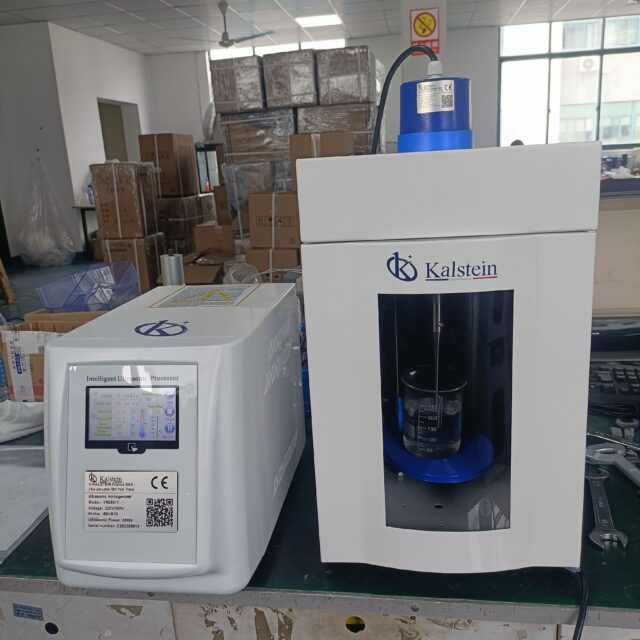
Laboratory homogenizers are very useful equipment because they allow to carry out the process of homogenization of different types of materials, such as tissues, food, plants and other biological or chemical elements. Nowadays there are different models of laboratory homogenizers on the market, each with specific functions and applications.
What technology does a lab freeze-drier use?
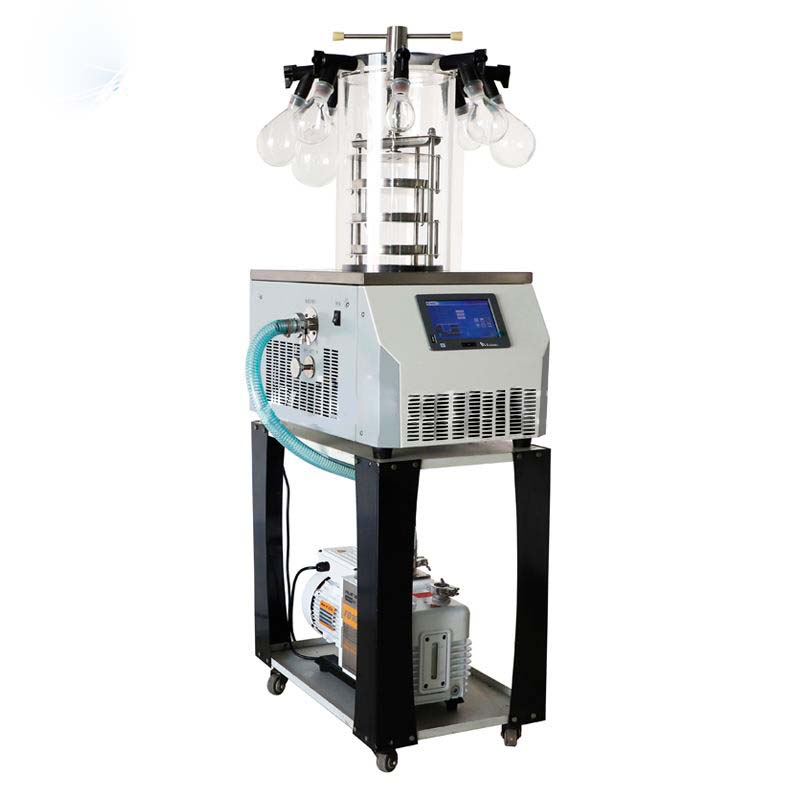
Freeze-drying is a laboratory process that has novel applications in the pharmaceutical and biotechnology industries, it is carried out in a laboratory instrument called freeze-drying that is used to stabilize, store or increase the shelf life of sensitive biological materials.
Implementation of infusion pumps to control drug administration
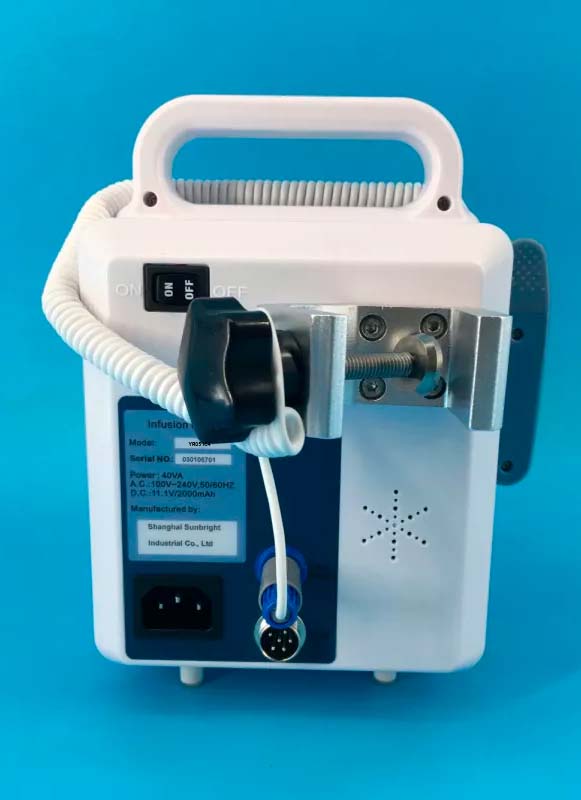
Drug infusion is common in the hospital environment, and health care practitioners should closely monitor the type, volume, and rate of infusion of these drugs to avoid overdose and/or toxicity. These tasks have been greatly simplified with the use of infusion pumps, these infusion pumps are automatic drug delivery devices designed to deliver infusion specifically within the limits specified by the responsible health care practitioner.
The use of infusion pumps for the treatment of heart failure
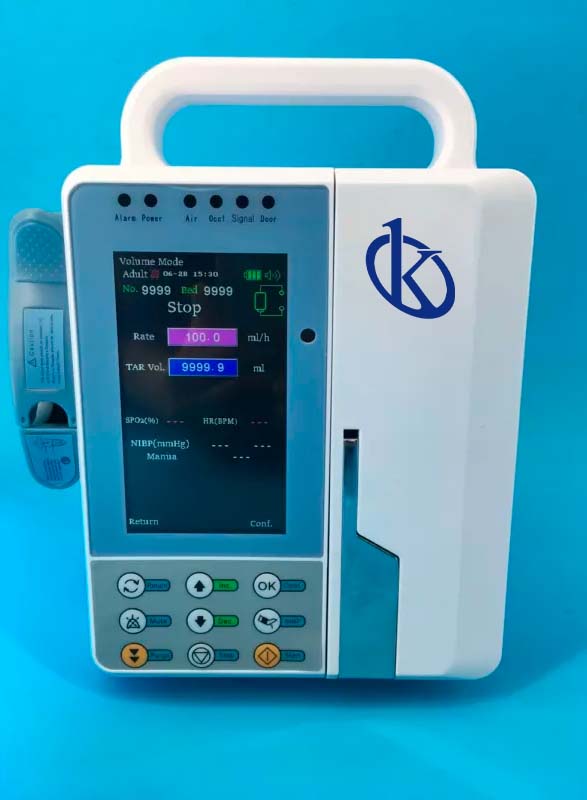
The use of infusion pumps for the treatment of heart failure is a revolutionary advance in cardiological medicine, these pumps are a way of administering drugs directly to the heart and can be used to treat a variety of heart problems, including heart failure.
Why is it necessary to use a lyophilizer in a laboratory?
A lyophilizer is a laboratory instrument used to carry out the process of lyophilization, since this equipment is designed to remove moisture from a product by drying it cold, thus generating a completely dehydrated product that can be rehydrated when needed to use, without losing its common properties.
What is the function of a Magnetic Stirrer?
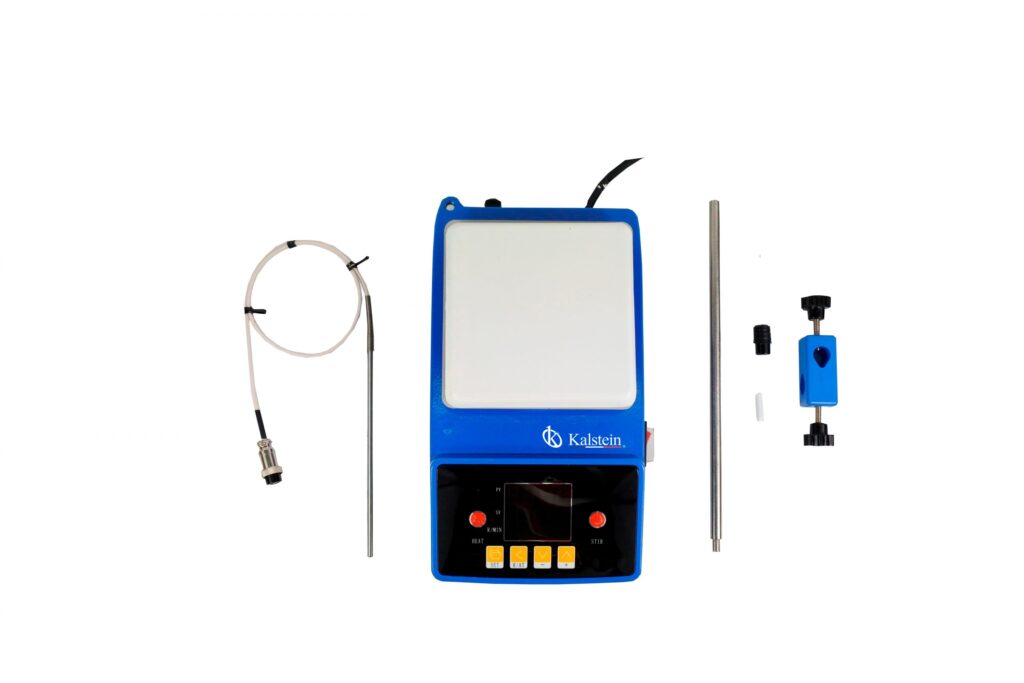
A magnetic stirrer is a device used in chemistry laboratories, capable of mixing liquids in a container by a rotating magnetic field, which rotates a magnetic rod and is measured in revolutions per minute (rpm). They are used for low density liquids and low density solids. It is silent, efficient and has no direct contact with the solution to be mixed (no contamination of the sample).
What is a Heating and Stirring Iron?
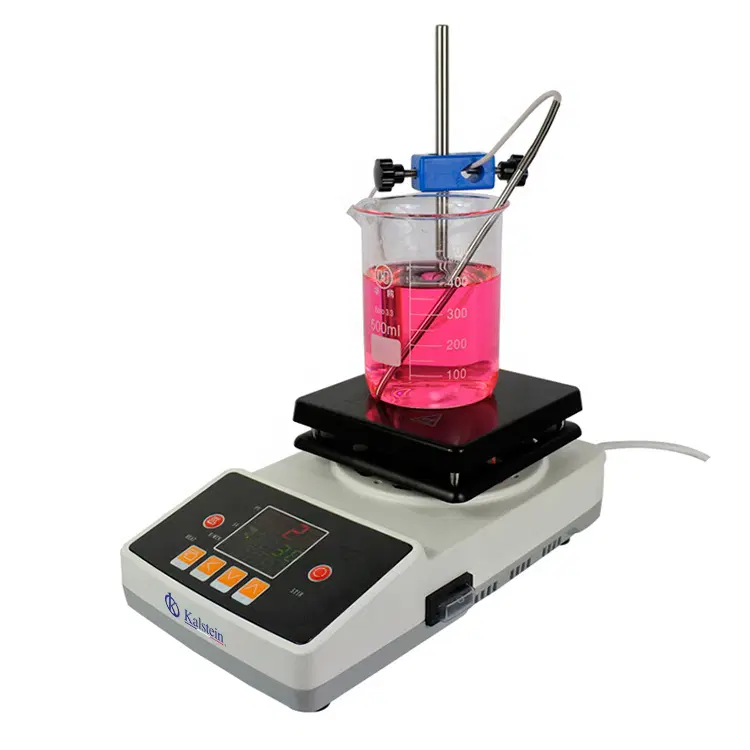
The heating and stirring plate is the ideal equipment for laboratory practices, able to offer precise temperature control, exceptional safety for homogenization, with the option of heating liquid samples of low viscosity, and for assistance during titrations, which provides uniformity, adapted to multiple processes, requiring temperature and stirring frequently used in the laboratory.