


Types of laboratory ovens
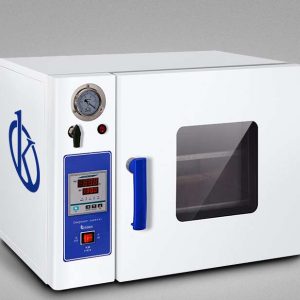
The laboratory ovens or drying oven is equipment used to dry and sterilize glass and metal containers in a laboratory. It is also known as a drying oven. They work between room temperature and 350 ° C. In general, these equipments are made of stainless steel, both inside and outside, this provides them with high durability. In addition, they have a microprocessor that makes sure to maintain a uniform temperature and allows it to be set digitally.
Laboratory ovens, which one to choose?
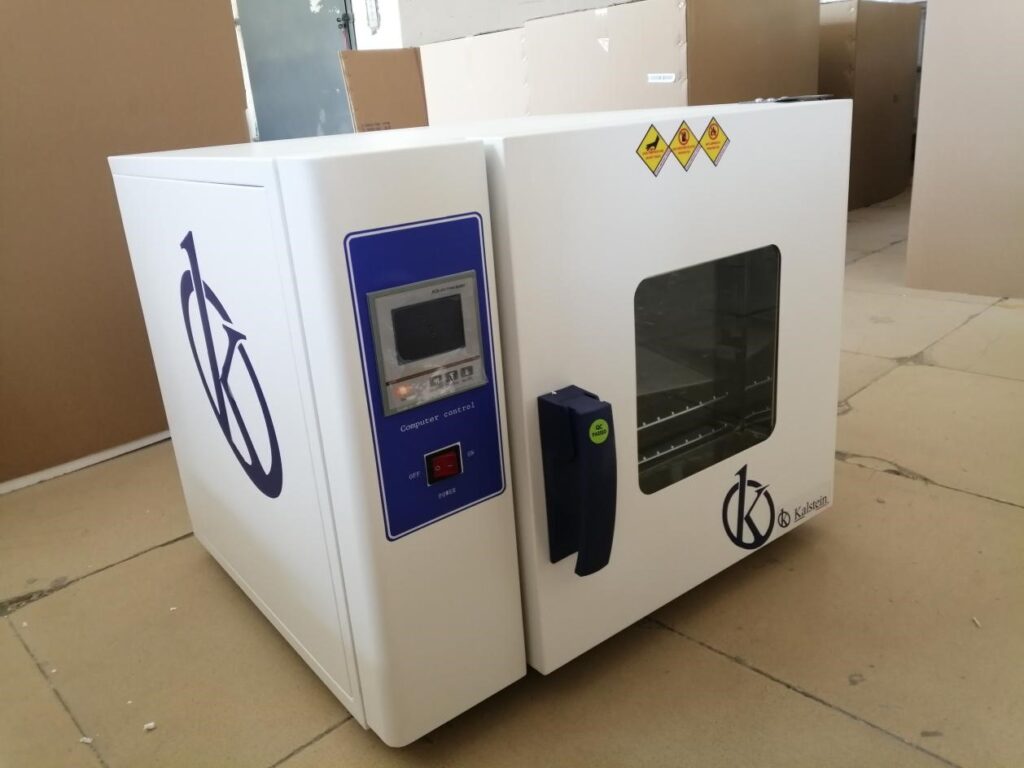
Among the wide variety of equipment needed to carry out the numerous activities of a laboratory, we can highlight the use of drying and heating ovens or ovens, basic equipment that is often used quite frequently.
The microtome and bone cutting
The microtome is a mechanical instrument used to cut biological samples into very thin segments for microscopic examination. Biological samples can be embedded and presented in many ways for sectioning. But more often, these samples are embedded in paraffin wax blocks and the most common way to section these samples is by microtome.
What is the importance of the laboratory refrigerator?
The refrigerator in a laboratory is one of the most important equipment. Its function is to maintain, in a controlled environment (refrigerated space), various fluids and substances, so that they are kept in good condition the lower the temperature, the lower chemical and biological activity. To achieve this it is required that the internal temperature of the refrigerator be lower than the ambient temperature.
How to keep your spectrophotometer in good condition?
The spectrophotometer is one of the main diagnostic and research instruments developed by humans. It is used in the laboratory in order to determine the concentration of a substance in a solution, thus allowing quantitative analysis.
Electrosurgery, what is it and how does it work?
The electrosurgery unit, or electrosurgery, is a medical device that uses electrical phenomena to produce heat; Its objective is to coagulate, fulgurate, desiccate or cut tissues, depending on the established parameters. Heat production is achieved through the passage of an oscillatory electric current, concentrated in a small area. The smaller the space in which the current flows, the greater the energy density at this point, which causes increasing temperatures.
Surgical navigation systems, heading to the operating room of th
The most recent advances in digital medical technology achieved this year allow surgeons to reach new levels of accuracy and safety. From now on, navigation systems evolve more and more, they are expanded and assisted by computer, advances in software, instruments and images facilitate the diagnosis, planning and execution of procedures.
How does a vital signs monitor work?
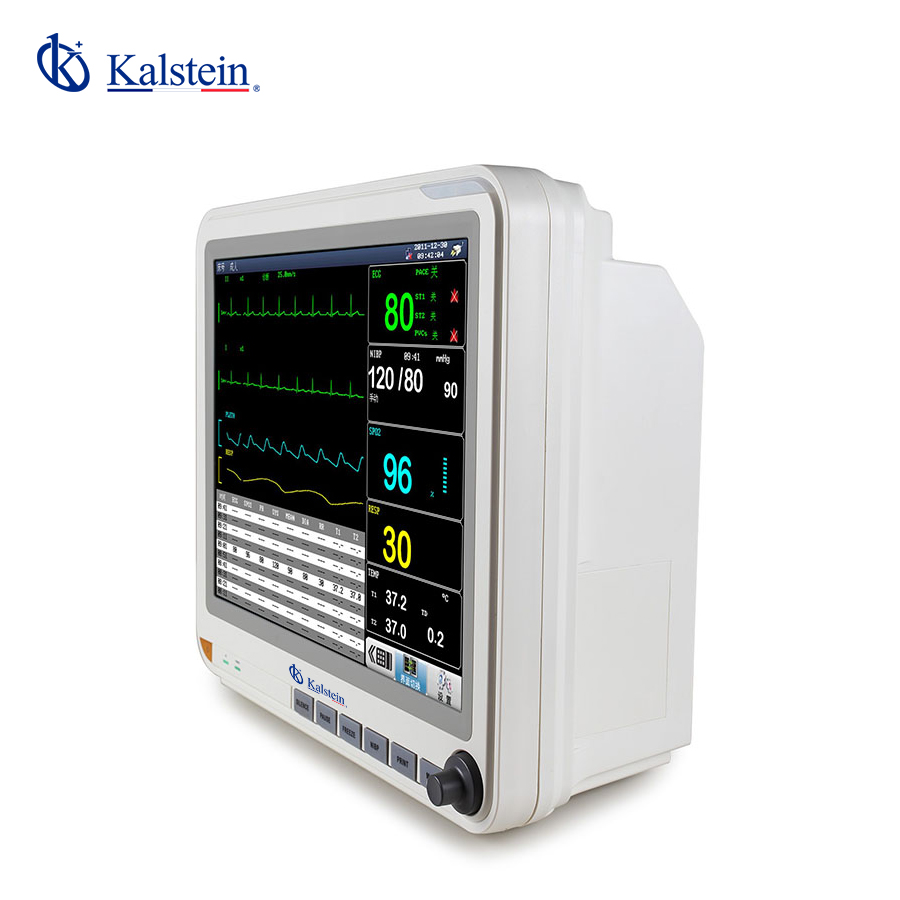
A vital signs monitor is a device that allows you to detect, process and continuously display the physiological parameters of the patient. It also has an alarm system that alerts when there is an adverse situation or outside the desired limits.
How does an oxygen concentrator work?
Oxygen is part of the list of essential medicines of the World Health Organization and, however, is not widely distributed in developing countries that bear the greatest mortality burden of newborns, children and seriously ill adults. The reasons for poor access to oxygen are usually the cost and lack of infrastructure to install and maintain a reliable gas supply. Even when there is an oxygen supply in healthcare facilities, patients’ access to it can be restricted due to lack of accessories, inadequate power supply or shortage of qualified personnel.
Handling and Care of the ELISA Reader
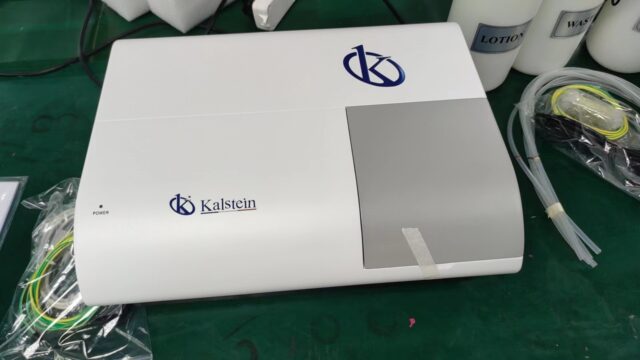
An ELISA Reader is a specialized spectrophotometer, designed to read the results of this technique which is used to determine the presence of specific antibodies or antigens present in a sample. This technique is based on the detection of an antigen immobilized on a solid phase, by antibodies that, directly or indirectly, produce a reaction whose product can be read by the spectrophotometer.