


Bacticinerator Characteristics
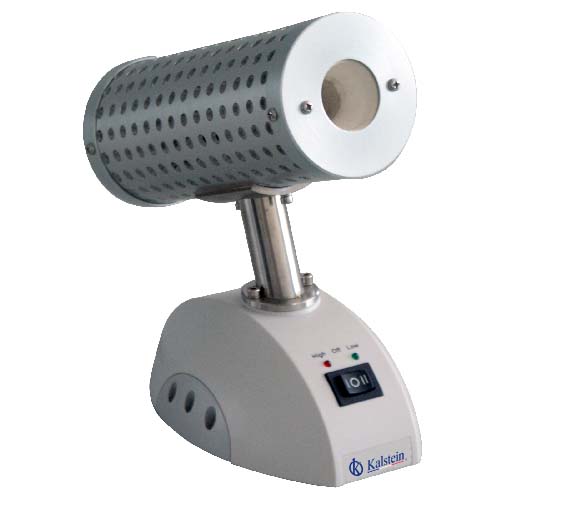
The Bacticinerador sterilizer is a gas-free, flameless laboratory instrument for use with microbiological needles and inoculation handles. It achieves sterilization through infrared heat without dangerous splashing of microorganisms, to comply with widely fundamental antiseptic techniques in the field of microbiology.
Advantages in the use of Bacticinerator for Infectology Units
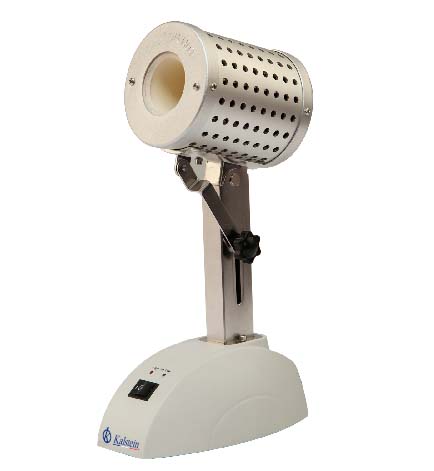
The Bacticinerador, is a equipment that sterilizes the handles used in laboratories, in charge of eliminating bacteria by infrared heat originated by a central ceramic mechanism. This equipment contains no fuel and certifies maximum sterility without splashing on the work surface. Heat is respected as the means of sterilization par excellence, as long as the material withstands high temperatures without suffering any damage. Complete sterilization occurs in 5-7 seconds, at a temperature of 815.6°C (1500°F). It is constituted as a sterilization protector, for greater safety in handling the material and any remaining remaining in the smooth area of the quartz tube, can be easily removed.
Using the Bacticinerator for the Cosmetic Laboratory
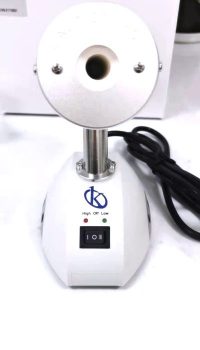
Cosmetics are products that we use to clean, protect and alter our appearance. They can be found in almost every home and are used every day by people of all ages. Although cosmetics have been around for thousands of years, their ingredients and formulations have changed dramatically over time.
Using Water Baths to Conserve Serologic Tests
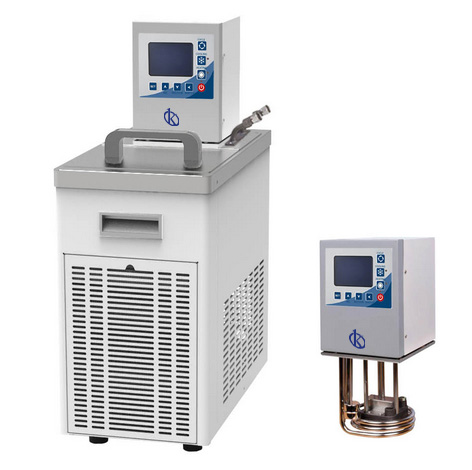
Biopreservation is the science of protecting biological samples for future use. Samples may be retained for a variety of reasons, including scientific research, legal evidence, or historical record. There are many different ways to store samples, but one of the most common ways is to use water baths.
Rotary evaporators in the laboratory: keys for efficient use
Rotary evaporators are a key tool in the laboratory, as they allow the evaporation of liquids at low temperatures. This is especially useful when working with materials sensitive to temperature changes, such as enzymes or proteins. The efficiency of the equipment depends on several factors, including the design of the equipment, the quality of the liquid to evaporate and the operator’s skill. Knowing these factors can ensure an efficient use of the rotary evaporator in the laboratory.
Advantages of water purification system in the laboratory
The repeatability and accuracy of a laboratory’s analytical results depends on the reliability of the pure water it uses. Water purity requirements vary depending on the equipment being used or the analysis being performed. This means that, for each experiment, the purity and conductivity of the water must be rigorously taken care of. The water provided by municipal water services is generally not suitable for carrying out experiments or analyzes carried out in the laboratory, either for research or for clinical diagnosis. This type of water usually contains microorganisms, dissolved gases, ions, organic and inorganic compounds, and particles.
What are the Recommendations for Using Water Baths in the Laboratory?
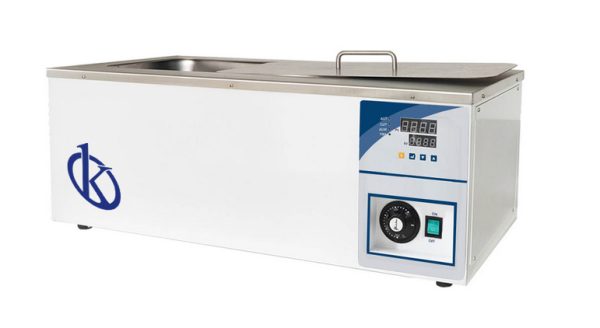
Water baths are used in a variety of studies and tests, including enzymatic reaction studies, growth observational studies, cellular transport studies and more. In general, a water bath is used to maintain a solution at a specific temperature for a specified period of time. Although they can be used to keep a solution at a cold temperature, they can also be used to keep a solution at a hot temperature. In some cases, it is used to maintain a solution at room temperature.
Slide Dryer Benefits
The slide dryer is a useful tool for the study of pathology. It is a device used to fix the slides vertically so that they can be observed more easily. This is especially useful when studying tissue samples under a microscope.
Using the Microplate Washer to Perform Syphilis Virus Serology
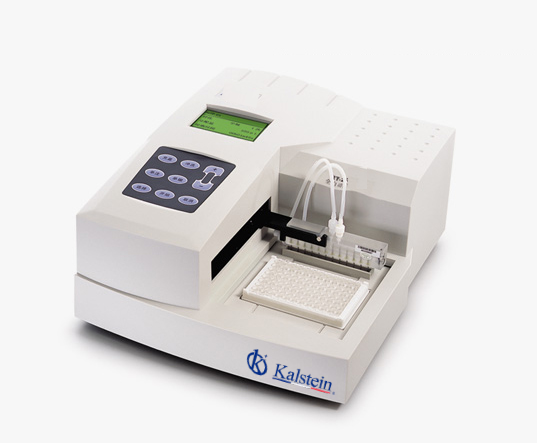
The microplate washer is a laboratory team responsible for cleaning the polyethylene plates used during Elisa’s practice. Its importance lies in sanitizing to remove any unbound material and substances that have not reacted.
Elisa washing machine to detect Human Lymphotropic Virus infection
The microplate washer is a laboratory tool designed to clean the plates that are used to carry out tests of Elisa, in which it is responsible for measuring the parameters depending on each wash and store permanently in the memory of the equipment so that they are selected through the digital keyboard that has integrated the equipment. Thus, the microplate washer performs the cleaning of 96 wells and provides facilities for the classification of measures in compliance with the particular requirements of each wash.