


Advantages of spectrophotometer for detecting impurities in food
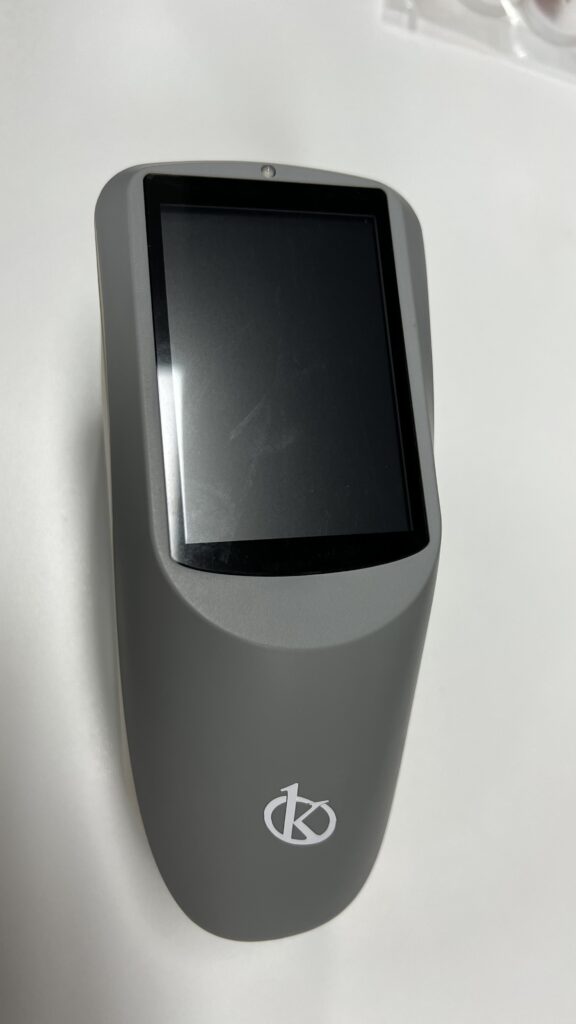
Food arriving at the consumer has already been shipped from the producer, packaging, distribution and packaging onto the shelf. During this process, food is exposed to foreign agents. These impurities are called contaminants, which can become harmful to people’s health, or damage the product by causing money to be lost. Its origin is diverse, and contamination can occur at any stage.
What tests are performed on a coagulation analyser?
Thanks to coagulation analyzers, effective tests are performed, which are responsible for responding to clinical diagnoses, to substantiate and guide the analyzes in patients. Since, the most common tests are, the activated partial thromboplastin time (aPTT) that evaluates the intrinsic pathway; Prothrombin Time (PT) which assesses the extrinsic pathway and Thrombin Time (TT) which assesses the common pathway.
Gas extraction hoods: what types of laboratories are used in?
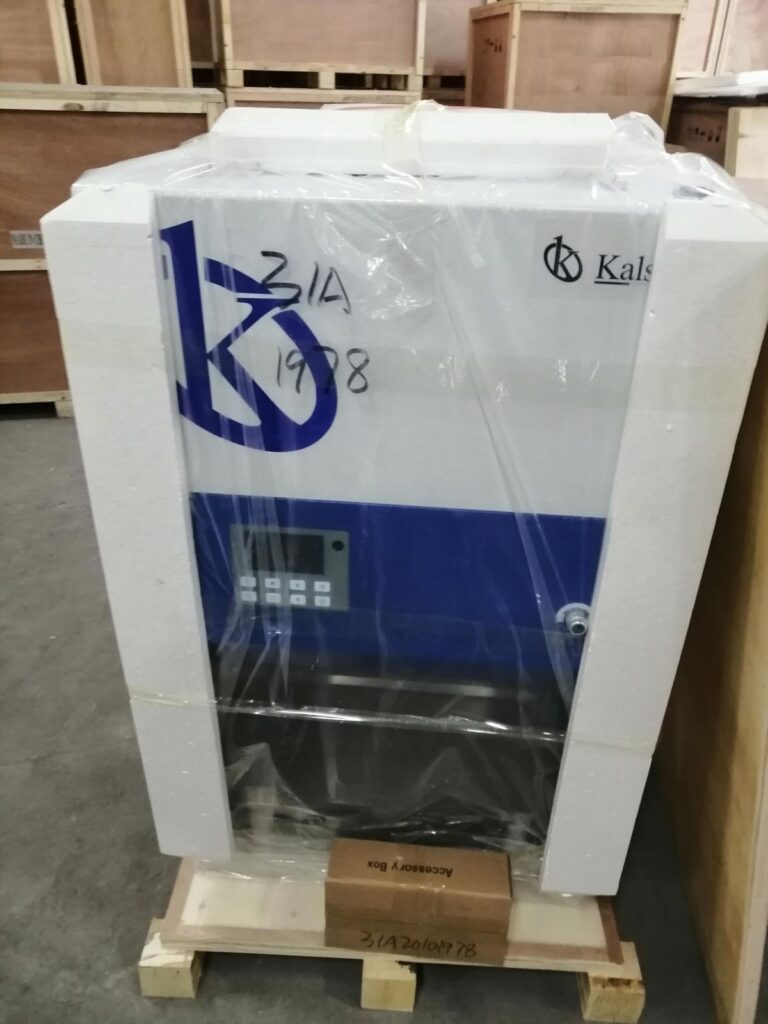
Gas extraction hoods are equipment designed for the protection of the user, against chemical exposures and dangerous agents, during the study processes. The protection is achieved by ventilation systems of the interior space, by an air flow caused through an adjustable working principle, avoiding in addition, the discharge of pollutants into the environment. This equipment addresses the need to control dangerous or irritant substances that are usually generated in the air, or released into the local ventilation device itself.
Horizontal and vertical laminar flow hoods: what kind of lab are they needed in?
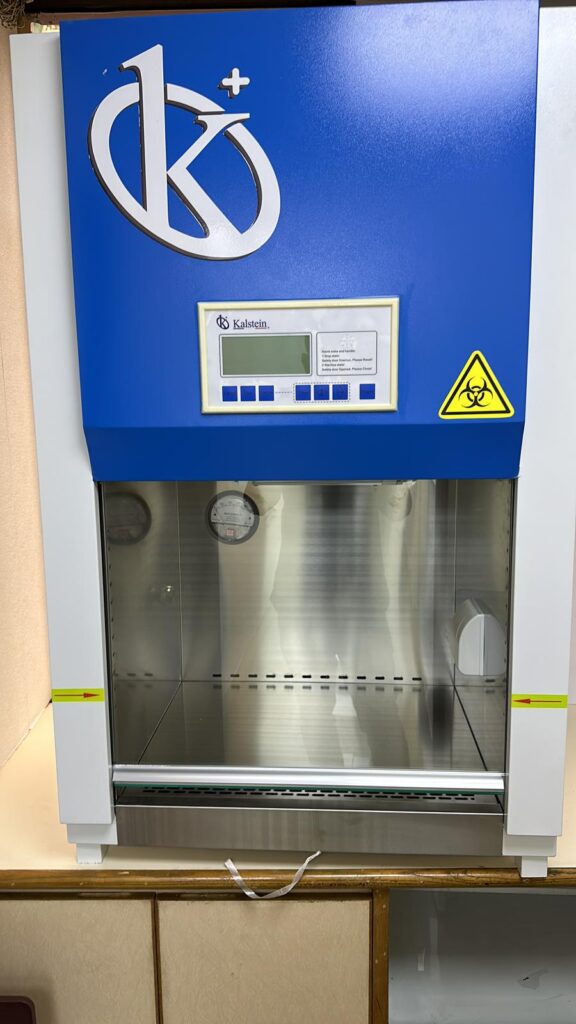
The laminar flow hoods are equipment created to maintain absolute control of the environment within the laboratory, when subjected to specific treatments of the air, allowing to create areas with strict control of suspended particles, and in this way, avoid any contamination both internal and external.
How is water pollution determined by the use of the spectrophotometer in the laboratory?
Water is a colorless and odorless liquid substance, present in a more or less pure state in nature, represents 80% of the composition of most organisms and plays a massive and decisive role in the realization of their metabolic processes. It is classified according to its state and salinity level. Natural water can contain a wide variety of impurities, which will be characteristic of the hydrological cycle you have experienced.
How are water distillers maintained?
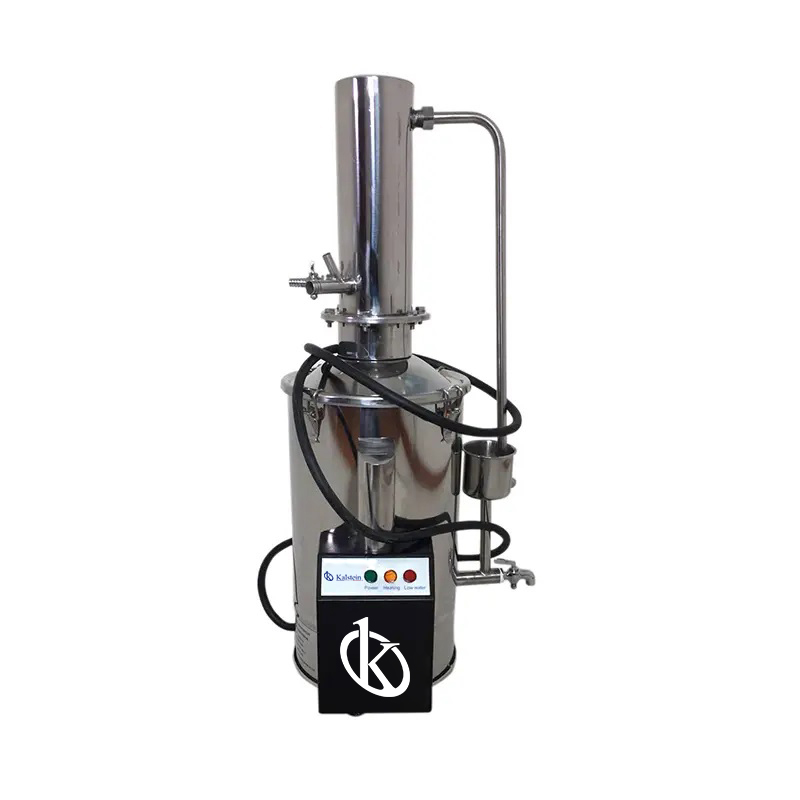
Distillers allow us to purify drinking water through consecutive, controlled vaporization and cooling processes. These events allow separation of water molecules from other molecules or elements that are diluted.
Use of water distillers for food processing
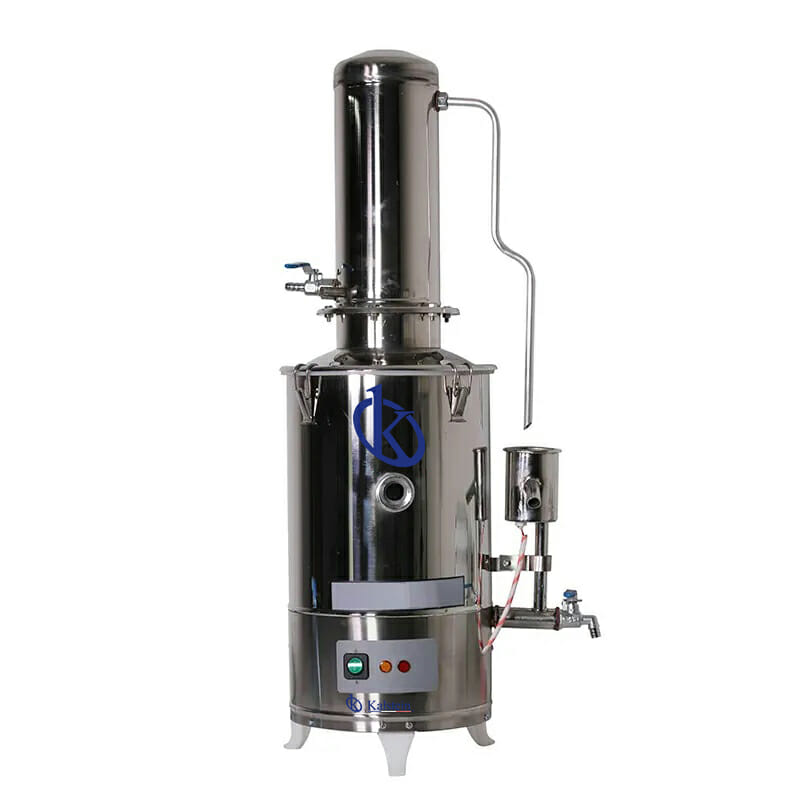
In the food industry, water has many uses, from food processing, ice making, daily cleaning of facilities and surfaces, to hand washing. When used for food and beverage manufacturing, the purity of the water used will have a direct influence on the quality of food and beverages.
What are the advantages and disadvantages of liquid nitrogen?
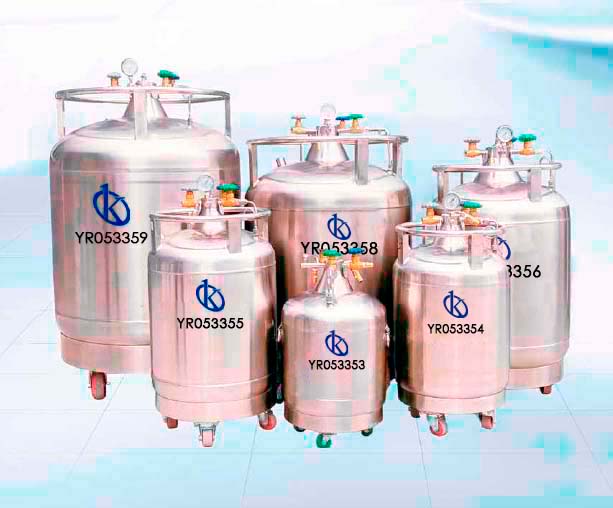
Nitrogen is a chemical element that has multiple uses, both in elemental form in the gaseous state, in the liquid state, or in the diversity of compounds that can be synthesized from it. Its use in liquid form has its advantages which are related to the specific field where it is applied, while its disadvantages are more homogeneous and depend on the intrinsic properties of having a gaseous compound under pressure and temperature conditions so that it is in liquid form.
Use of nitrogen reservoirs for the dermatological sector
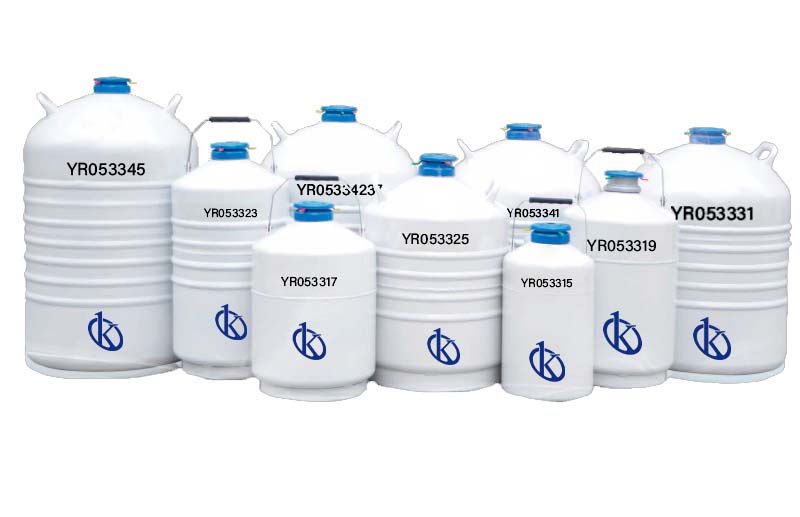
Liquid nitrogen, or LN 2 , is used in dermatological treatments in therapies known as cryotherapy. The term comes from the Greek word “kryo” which means “cold,” which means that cryotherapy refers to medical treatment with cold, and belongs to so-called thermotherapies, which have been used by people since antiquity. Dermatologists have been using this type of therapy since before 1900
Use of the refractometer for making beer
The refractometer is a tool designed to measure the refractive indices in substances. It is used in the brewing industry to monitor fermentation and measure sugar concentrations in the original extract, using only small amounts of drops as a sample, where the refractive light passes through and avoids measurement errors.