


What to do if the water purification system in the lab stops working?
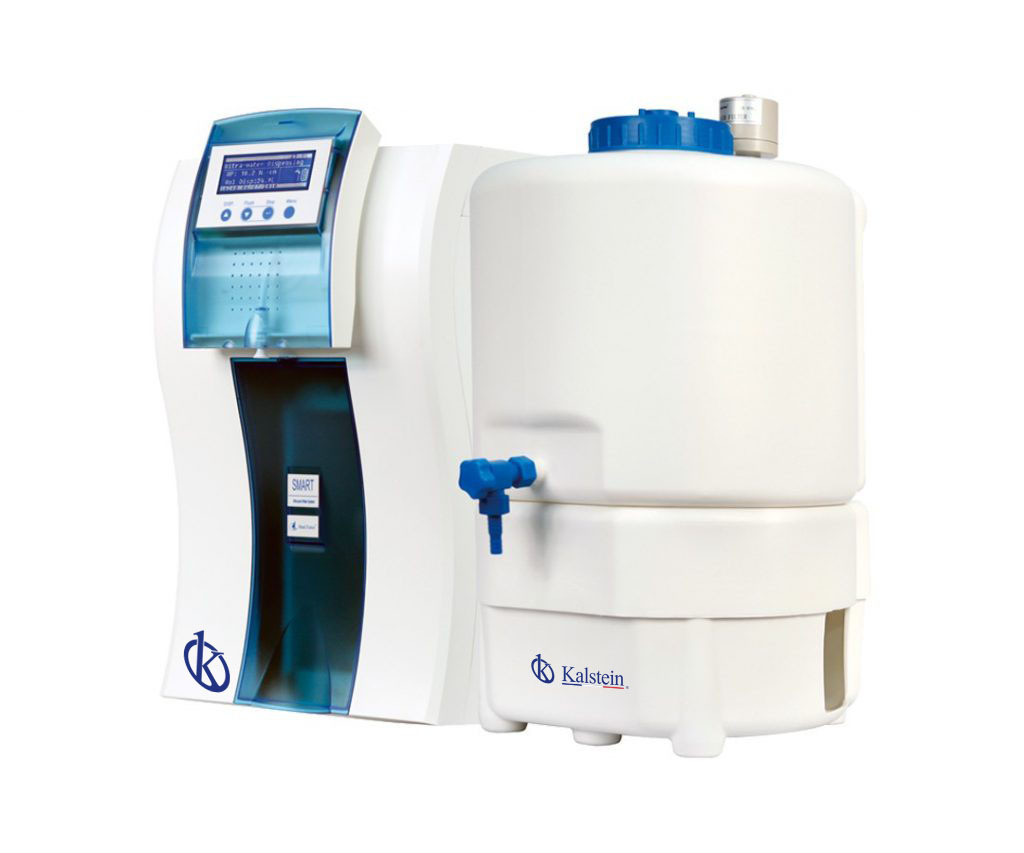
Water is one of the most used and important reagents in research and clinical diagnostic laboratories. However, the supply of water in adequate quantity and quality can be affected by multiple causes. Water quality for laboratories is linked to the resistivity and TOC value parameters. The first describes the ionic quality of water, while the second refers to the purity of water in relation to organic pollutants.
What type of laboratory centrifuges are most suitable for sample preparation?
The use of a centrifuge to prepare laboratory samples is common. There are more and more centrifuges being used for sample preparation, whether for chemical analysis or other uses, so choosing the best equipment for sample preparation can be quite a task. In this article, we will explain more about what type of laboratory centrifuge is suitable for sample preparation.
Retain heat with laboratory gel systems!
Laboratory gel systems are an ideal solution for scientists working with hazardous or reactive materials; they are also a useful tool to help maintain research and experiment projects at constant temperatures. The way they work is through an exothermic reaction with the energy of heat to be able to maintain a controlled temperature inside a closed container; this allows scientists to perform experiments without the heat escaping, which gives great control over the temperature level of the materials inside the container.
What progress is there in the field of electroscalpel?
The most important advances have been in the technology of the electroscalpel; an electroscalpel is a device that makes use of electricity to cut tissue, perform dissections and sutures. This technology offers optimum accuracy, fewer errors and the possibility to make sutures more quickly, advances in the field of electroscalpel have been reinforced by the use of nanotechnology for the development of it.
What is the impact of recent advances in technology for the electroscalpel?
In recent years, new technologies have had a great impact on medicine and medical equipment; the incorporation of advances in biomedical electronics technology has made an important difference in the manufacture of laboratory electroscalpel.
What factors affect the measurement of conductivity in the laboratory?
The measurement of conductivity in the laboratory is a crucial practice to understand the quality of water and the concentration of electrolytes in it; this measure is useful to detect impurities and harmful substances and, in addition, to control the purity of a certain water sample.
Discovering the magic of laboratory gel systems
The laboratory gel systems industry has existed for a long time, but recently new technologies have been developed that allow professionals and amateurs to discover the magic of these systems. Laboratory gel systems are used to separate and analyze components of biological samples such as DNA, which are used for scientific purposes such as disease detection, prevention of medical malpractice, the development of new medicines and much more.
What type of wheelchair is used for sports?
Practicing sports does not have to be a limitation for people with disabilities, since, as in the case of wheelchairs for the daily, there are also special wheelchairs for users who want to do some sport, either professionally or as a hobby. It is very important to choose a wheelchair suitable for the sport that will be performed, since each comes with a special design that fits each discipline.
What are the differences between Bacticinerador and the Lighter?
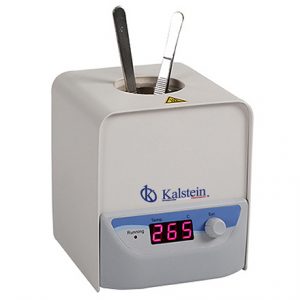
Currently, lighters are applied in laboratories around the world, for the sterilization of flasks. However, through the integration of sterilizers such as the Bacticinerador, their functions are different and they are in charge of disinfecting the handles for microbiological tests, besides being modern and has been relegating the Burner Bunsen to the role of an auxiliary medium, although still with great presence in the laboratory practices of many academic disciplines.
What are the Bacticinerator Applications?
For the sterilization of the handles used in microbiology laboratories, the use of the Bacticinerator is ideal. This disinfects handles made of platinum, needles, glass tube/pipette nozzles, and various glass and metal instruments by incinerating at temperatures between 500 °C to 815 °C or more. These processes succeed in eliminating pathogenic and non-pathogenic microbial load from culture instruments. In this sense, the Bacticinerator is applied in food, pharmaceutical and / or cosmetic industries; passing and diluting samples up to 1g, avoiding microbial contamination.