

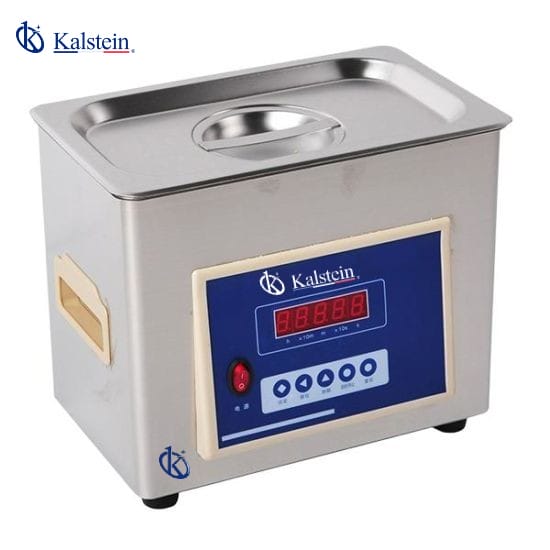
Ultrasonic Veterinary Cleaner by Kalstein
I’ve had the opportunity to explore the Ultrasonic Veterinary Cleaner from Kalstein, a company known for its innovation in the medical and veterinary equipment sector. These cleaners are designed to optimize the hygiene standards in veterinary practices by utilizing advanced ultrasonic technology. From day one, these cleaners have impressed me with their efficiency and ability to thoroughly clean intricate instruments that are otherwise challenging to sanitize. Kalstein’s Ultrasonic Veterinary Cleaners deliver a meticulous cleaning process that ensures all veterinary tools are not just visibly clean but also free from harmful pathogens that could compromise animal health.
Kalstein’s reputation for quality and innovation is well earned. Their Ultrasonic Veterinary Cleaner stands out in the market due to its exceptional performance and user-friendly design. The device doesn’t require heavy manual intervention, which allows veterinary professionals to focus on patient care while ensuring their tools are adequately maintained. It’s a crucial investment for any veterinary practice aiming to achieve high standards of hygiene and efficiency.
Characteristics of the Ultrasonic Veterinary Cleaner
The Ultrasonic Veterinary Cleaner by Kalstein boasts several key features that make it an indispensable tool in veterinary settings. Firstly, its cleaning mechanism relies on high-frequency sound waves that generate cavitation bubbles in the cleaning solution. This process effectively dislodges dirt, grime, and microscopic contaminants from all surfaces of veterinary instruments, reaching even the most challenging crevices.
Moreover, the device is equipped with a programmable timer and heater. This feature allows users to set specific cleaning cycles and temperatures according to the needs of different instruments, ensuring versatile and thorough cleaning processes. The digital control panel is intuitive, making it easy for staff to operate the cleaner without needing extensive training.
Different Types or Models of the Ultrasonic Veterinary Cleaner
Kalstein offers a variety of models of their Ultrasonic Veterinary Cleaner, catering to different needs and scales of veterinary practice. The models vary primarily in tank size and power output, allowing veterinarians to choose a suitable cleaner based on the volume and type of instruments they handle regularly.
For smaller practices, compact models with reduced tank sizes are available, providing all the cleaning efficiency required without occupying excessive space. For larger veterinary facilities, larger models with increased capacity ensure that even high volumes of tools can be sanitized simultaneously, optimizing the workflow and ensuring no delay in service delivery.
Why is the Price of the Ultrasonic Veterinary Cleaner Justified?
While some may initially consider the Ultrasonic Veterinary Cleaner’s price as substantial, it is essential to highlight the value it brings to a veterinary practice. The investment reflects the advanced technology and high-quality materials used in manufacturing. The precision and thoroughness of the cleaning process significantly reduce infection risks, protect investments in expensive tools, and ultimately enhance animal care outcomes.
Moreover, the durability and reliability of Kalstein’s cleaners minimize long-term costs associated with frequent repairs or replacements common with cheaper alternatives. Over time, the cleaner proves to be cost-effective, saving both time and resources by streamlining the instrument cleaning process and reducing the likelihood of tool damage.
Comparison with Similar Products
When comparing Kalstein’s Ultrasonic Veterinary Cleaner with similar products from competitors like Gemmy and Elma, several distinctive features come to the forefront. Kalstein’s products are often lauded for their superior construction quality and the use of advanced technology that enhances cleaning efficiency. While Gemmy also offers ultrasonic cleaners, user reviews frequently highlight Kalstein’s models as more robust and efficient.
Another competitor, Elma, provides a range of ultrasonic cleaning devices, but what sets Kalstein apart is its customer-centric approach. The ease of use and exceptional customer support makes a noticeable difference, providing users with reassurance and satisfaction in their investment. Overall, Kalstein’s blend of innovation, quality, and service support makes it a preferred choice over many competitors.
Pros and Cons of the Ultrasonic Veterinary Cleaner
| Pros | Cons |
|---|---|
| Efficient and thorough cleaning process | Initial cost may be high |
| Reduces risk of cross-contamination | Requires regular maintenance |
| User-friendly digital controls | Can be noisy during operation |
| Durable and long-lasting equipment | Limited to tools that fit in the tank |
| Versatile with programmable settings | Requires training to fully utilize |
| Helps prolong the life of veterinary tools | Occasional need for replacement parts |
| Environmentally friendly cleaning process | |
| Reduces manual labor |
Benefits of Using Ultrasonic Veterinary Cleaners
One of the primary benefits of using an ultrasonic veterinary cleaning system is the reduction in the spread of pathogens. By ensuring that all instruments are exceptionally clean, the risk of infections passed from one animal to another diminishes significantly. This aspect alone makes ultrasonic cleaners a valuable addition to any clinic concerned about animal welfare.
Additionally, the ultrasonic cleaning method is particularly gentle on delicate instruments. By reducing the need for manual scrubbing, there is less wear and tear, thereby prolonging the lifespan of surgical and diagnostic tools. These cleaners also bring a touch of professionalism to veterinary practices, demonstrating a commitment to high hygiene standards to clients.
Other Advantages of the Ultrasonic Veterinary Cleaner
The time saving aspect of ultrasonic cleaners is another notable advantage. Manual cleaning methods can be time-consuming and labor-intensive. With an ultrasonic cleaner, the process is automated, allowing staff to allocate their time to more critical tasks, thus enhancing overall productivity in the clinic.
Moreover, these cleaners are considered environmentally friendly, as they require less use of harsh chemicals and water compared to traditional cleaning methods. This not only benefits the environment but also creates a safer workplace for veterinary staff who handle these cleaning agents regularly.
User Feedback on the Ultrasonic Veterinary Cleaner
Feedback from users of Kalstein’s Ultrasonic Veterinary Cleaners is overwhelmingly positive. Veterinarians appreciate the precision cleaning and the reliability of the devices, noting a significant improvement in instrument cleanliness and functionality. Many have reported decreased incidences of cross-infection since implementing these cleaners into their standard operating procedures.
Furthermore, users commend the robust construction and longevity of the machines, emphasizing that the upfront cost is offset by the high performance and reduced downtime in their practices. The ability to maintain a consistently high level of instrument hygiene without excessive manual labor has been a game-changer for many veterinary professionals.
Frequently Asked Questions
How does an Ultrasonic Veterinary Cleaner work?
Ultrasonic veterinary cleaners use high-frequency sound waves to create cavitation bubbles in a cleaning solution. These bubbles effectively and efficiently remove dirt and contaminants from the surfaces and crevices of veterinary instruments.
Is an ultrasonic cleaning system safe for all veterinary instruments?
Yes, ultrasonic cleaners are gentle enough for delicate instruments while being effective for robust tools. They significantly decrease wear and tear compared to manual cleaning.
Do ultrasonic cleaners require special detergents?
While not mandatory, using specially formulated ultrasonic cleaning solutions enhances the cleaning process, ensuring optimal results without damaging instruments.
How long does the cleaning cycle take?
Cleaning cycles can vary by model and the degree of cleaning required but generally range from 5 to 30 minutes, making it a time-efficient cleaning solution.
Can ultrasonic cleaners be used for disinfecting instruments?
While ultrasonic cleaners effectively clean instruments, they are not a replacement for sterilization processes that may be required to eliminate all forms of bacteria and viruses.
What maintenance is required for ultrasonic cleaners?
Periodic maintenance includes cleaning the tank, checking electrical connections, and ensuring the unit is free of residual cleaning solutions to maintain its efficiency and longevity.
Final Recommendations on Ultrasonic Veterinary Cleaners
In conclusion, investing in an Ultrasonic Veterinary Cleaner from Kalstein can significantly enhance the operational efficiency and safety of any veterinary practice. These devices offer robust cleaning power while being gentle on instruments, aiding in their longevity and performance. The initial investment is well justified by the long-term benefits of improved hygiene standards and operational efficiency. I highly recommend considering these cleaners as a vital component of any veterinary facility’s cleaning arsenal. For more details, you can visit https://kalstein.eu/categorie-produit/veterinary-sector/ultrasonic-veterinary-cleaner/?lang=en.