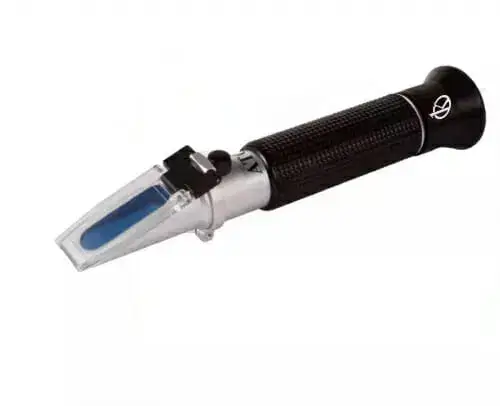
Wine Refractometers: Best Techniques and Protocols in 2026
What is it used for in 2026
In 2026, Wine Refractometers serve a pivotal role in the wine-making process. These instruments are primarily used to measure the sugar content of grape juice and wine, which is crucial in determining potential alcohol levels and fermentation processes. Additionally, they assist in monitoring the maturation of wines and ensuring quality control throughout the production stages.
History and evolution of the technology
The use of refractometers dates back to the 19th century, with early models developed for various applications in science and industry. Over the years, advancements in optics and materials have led to the creation of specialized refractometers for specific uses, including those tailored for wine analysis. Today, modern Wine Refractometers come with features like automatic temperature compensation (ATC), enhancing their accuracy and usability.
How to use it step by step
Using a Wine Refractometer involves a straightforward process:
- Preparation: Ensure the instrument is clean and calibrated according to the manufacturer’s guidelines.
- Sampling: Collect a small sample of the wine or grape juice to be tested.
- Application: Place a few drops of the sample onto the refractometer’s prism.
- Measurement: Close the cover and look through the eyepiece to read the scale. For models with digital displays, simply press the measurement button.
- Recording: Note the reading and repeat as necessary for multiple samples.
Best techniques and protocols
To achieve optimal results when using Wine Refractometers in 2026, consider the following techniques:
- Temperature Control: Always conduct measurements at a consistent temperature, ideally within the recommended range of the refractometer.
- Regular Calibration: Calibrate your refractometer frequently to ensure accuracy, especially after prolonged use.
- Sample Preparation: Filter samples to remove any particulates that could interfere with measurements.
Practical applications by laboratory type
Wine Refractometers find applications in various laboratory settings:
- Winery Laboratories: Used to monitor fermentation progress and determine harvest timing based on grape sugar levels.
- Research Institutions: Employed in studies related to wine composition, enhancing the understanding of varietals and their characteristics.
- Quality Control Labs: Ensure that finished products meet regulatory standards and specifications.
Regulations, standards and certifications
Lab professionals must be aware of industry regulations pertaining to wine production. Compliance with standards set by organizations such as the International Organization of Vine and Wine (OIV) is essential. Additionally, certifications for laboratory equipment must be adhered to, ensuring reliability and accuracy in measurements.
Comparison with alternative technologies
While Wine Refractometers are popular, alternative technologies like hydrometers and digital wine analysis systems exist:
- Hydrometers: Measure density but are less precise than refractometers, particularly in high-alcohol content wines.
- Digital Analysis Systems: Offer comprehensive analyses but are usually more expensive and require more extensive training to operate.
Comparison of available models
| Model | Best for | Key specs | Recommended use case |
|---|---|---|---|
| YR05931 | Alcohol content measurement | 0-80% v/v, ATC, Aluminum | Quick readings during fermentation |
| YR05932 | Wine sugar content measurement | 0-25% Vol, 0-40% Brix, ATC | Assessing grape ripeness |
| YR05933 | Comprehensive analysis | 0-25% Vol, 0-170° Oe, ATC | Monitoring fermentation stages |
| YR05934 | Brix and sugar measurements | 0-20% Baume, 0-25% Vol, ATC | Quality control testing |
| YR05935 | General wine analysis | Various ranges, ATC | Routine laboratory evaluations |
| YR05936 | Quick assessments | Various ranges, ATC | Field testing during harvest |
Common mistakes and how to avoid them
Laboratory professionals often make mistakes when using Wine Refractometers. Here are some common pitfalls and how to avoid them:
- Ignoring Temperature Effects: Always account for temperature variations; this can lead to inaccurate readings.
- Poor Sample Quality: Ensure samples are clean and well-prepared to avoid contamination.
- Inconsistent Calibration: Develop a routine calibration schedule to maintain accuracy.
Maintenance, calibration and good practices 2026
Maintaining your Wine Refractometer is essential for longevity and performance. Regular cleaning with distilled water and soft cloths is vital. Calibration should be performed according to the manufacturer’s recommendations, ideally before significant testing sessions. In 2026, adopting good practices, such as documenting measurements and calibrations, will enhance reliability and traceability in laboratory results.
Cost-benefit analysis 2026
A cost-benefit analysis of investing in Wine Refractometers in 2026 shows that their precision and efficiency often outweigh the initial costs. Given the competitive pricing of models and their ability to save time during testing, these refractometers can dramatically enhance laboratory productivity and product quality. Ultimately, the return on investment is notable for labs aiming to improve wine quality and compliance measures.
Frequently asked questions
What are the main factors to consider when choosing a Wine Refractometer?
When selecting a Wine Refractometer, consider factors such as the measurement range, the presence of automatic temperature compensation, the material build quality, and the specific applications you need it for. Ensure it meets your wine analysis requirements.
How often should I calibrate my Wine Refractometer?
Calibration frequency depends on usage intensity and environmental conditions. Generally, calibrate before each batch of testing or after significant temperature changes to ensure accuracy.
Can I use a Wine Refractometer for other liquids?
While primarily designed for wine and grape juice, some models may be used for other liquids with similar sugar content, though accuracy may vary. Always consult the user manual for appropriate applications.
What is the importance of using temperature compensation?
Temperature compensation is crucial as the refractive index of liquids changes with temperature. Automatic temperature compensation ensures the readings remain accurate across different environmental conditions.
What maintenance practices should I follow for my refractometer?
To maintain your refractometer, clean the prism with distilled water after each use, ensure it is stored properly to avoid damage, and regularly calibrate it to maintain accuracy.
How do I choose the right model for my laboratory needs?
Evaluate your specific laboratory needs, such as the types of analyses you will conduct, your budget, and the features necessary for your testing processes. Review the comparison table to find the best fit.
If you are looking for a fusion of innovation and quality, you have come to the right place. At Kalstein, we offer you the luxury of exploring our exclusive catalog of laboratory equipment. We manufacture every device to the highest standards of excellence. Our intuitive and seamless online purchasing channels are designed for your convenience, securing the most competitive prices. Hesitate no longer — we bring science to life, it is time to become part of our community.