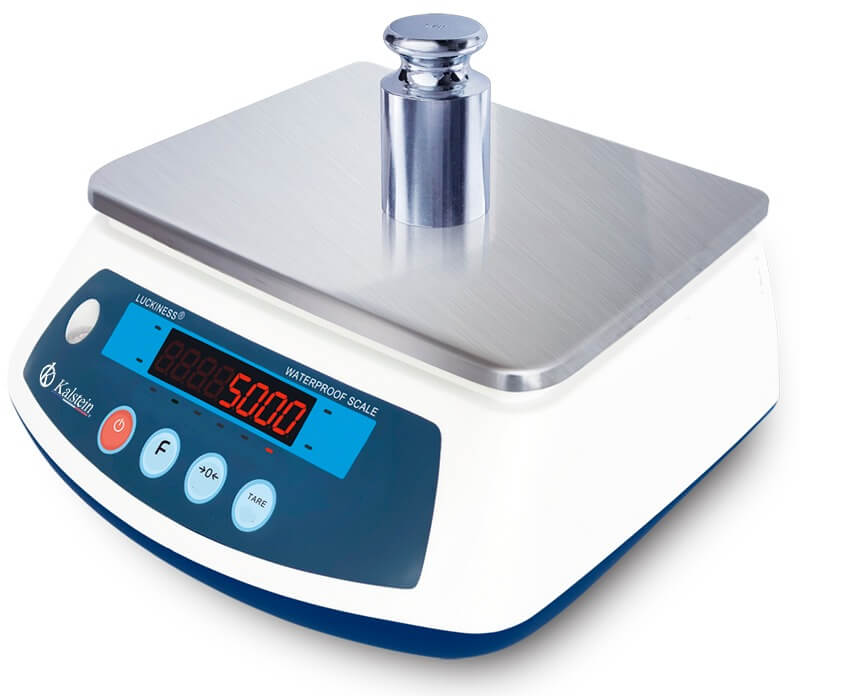
Waterproof Balances: Applications in Research, Biotechnology and Academia 2026
Waterproof balances are crucial pieces of laboratory equipment, especially in environments where moisture and spills are prevalent. These balances not only ensure accurate weight measurements but also enhance durability and ease of cleaning. As we navigate through 2026, understanding the applications, techniques, and best practices associated with waterproof balances is essential for laboratory professionals.
What is it used for in 2026
In 2026, waterproof balances have become vital tools in various laboratory settings, including research, biotechnology, and academia. Their applications include:
- Weight Measurement: Accurate measurement of samples in humid or wet conditions.
- Food Industry: Weighing ingredients in food preparation and quality control.
- Chemical Laboratories: Measuring chemicals, powders, and liquids without the risk of contamination.
- Biotechnology: Weighing biological samples that may be sensitive to moisture.
- Environmental Studies: Conducting tests in wet or outdoor settings where moisture is unavoidable.
History and evolution of the technology
The development of waterproof balances traces back to the need for precision in variable environments. Initially, balances were susceptible to damage from spills and humidity. Over the years, advancements in materials and technology have led to the creation of waterproof designs. The integration of sensors and digital displays has further enhanced their functionality, leading to the current models that are both user-friendly and resilient in challenging conditions.
How to use it step by step
Using a waterproof balance involves the following steps:
- Preparation: Ensure that the balance is clean and set up on a stable surface away from drafts.
- Power On: Turn on the balance and allow it to calibrate if necessary.
- Select Unit: Choose the desired unit of measurement (grams, kilograms, pounds).
- Zero the Balance: Use the tare function to zero out the weight of any container or additional items.
- Weigh the Sample: Carefully place the sample on the balance pan and read the measurement displayed.
- Record Data: Document the weight for your records.
- Cleanup: Clean the surface of the balance to remove any spills or residues.
Best techniques and protocols
To ensure the best results when using waterproof balances, follow these techniques and protocols:
- Regular Calibration: Calibrate the balance regularly to maintain accuracy.
- Stable Environment: Use the balance in a stable environment, away from vibrations and direct sunlight.
- Use Appropriate Containers: Make sure to use containers that do not interfere with the balance's measurement capabilities.
- Proper Cleaning: Use appropriate cleaning solutions that do not damage the balance's components.
- Documentation: Maintain detailed records of calibrations and maintenance for compliance and accuracy tracking.
Practical applications by laboratory type
Waterproof balances find diverse applications across various laboratory types:
- Research Laboratories: Used for precise measurements in experiments involving liquids and samples prone to contamination.
- Biotechnology Laboratories: Essential for weighing sensitive biological samples and reagents in controlled environments.
- Academic Institutions: Aids students in practical lab courses requiring accurate weight measurements.
- Food Testing Labs: Critical for ensuring the correct weight of food samples during testing and quality control.
- Environmental Science Labs: Useful for weighing samples collected from wet environments and ensuring accurate data analysis.
Regulations, standards and certifications
In 2026, various regulations and standards govern the use of waterproof balances, including:
- ISO Standards: International Organization for Standardization (ISO) standards for laboratory equipment.
- CE Marking: Compliance with European health, safety, and environmental protection standards.
- RoHS Compliance: Restriction of Hazardous Substances for electronic equipment.
- Good Laboratory Practices (GLP): Guidelines for quality assurance in laboratory processes.
Comparison with alternative technologies
Waterproof balances are often compared to other balance types such as analytical and precision balances. While analytical balances offer high accuracy for dry environments, waterproof balances excel in wet settings, providing reliability without compromising measurement accuracy.
Comparison of available models
| Model | Best for | Key specs | Recommended use case |
|---|---|---|---|
| YR05623 | Lightweight measurements | 3 kg/0.1 g | Ideal for small samples in research labs. |
| YR05624 | Standard laboratory tasks | 3 kg/0.5 g | Great for general-purpose weighing. |
| YR05625 | Medium sample weights | 6 kg/1 g | Perfect for medium-sized samples in academic settings. |
| YR05626 | Versatile measurements | 7.5 kg/1 g | Suitable for various laboratory environments. |
| YR05627 | Larger sample weights | 15 kg/5 g | Best for heavier samples in industrial labs. |
| YR05628 | Heavy-duty applications | 30 kg/5 g | Ideal for large-scale measurements in environmental studies. |
Common mistakes and how to avoid them
Laboratory professionals frequently encounter mistakes when using waterproof balances. Here are common pitfalls and solutions:
- Neglecting Calibration: Regularly calibrate to ensure accurate measurements.
- Ignoring Environmental Factors: Use balances in stable conditions away from vibrations and moisture sources.
- Improper Taring: Always tare before weighing to avoid inaccurate results.
- Inadequate Cleaning: Maintain cleanliness to ensure longevity and accuracy; use the right cleaning agents.
Maintenance, calibration and good practices 2026
Maintaining waterproof balances in 2026 involves:
- Routine Calibration: At least once a month or as per usage frequency.
- Regular Cleaning: Clean after each use; avoid corrosive materials.
- Storage: Store in a safe, dry place when not in use.
- User Training: Ensure all users are trained in proper handling and operation.
Cost-benefit analysis 2026
The initial investment in waterproof balances can be offset by their durability and versatility. In 2026, these balances reduce the risk of contamination, enhance lab efficiency, and lead to more accurate results, ultimately saving costs associated with rework and material waste.
Frequently asked questions
What are the best practices for using waterproof balances?
Best practices include regular calibration, proper cleaning, stable environmental conditions, and using suitable containers for weighing.
How often should waterproof balances be calibrated?
Calibration should be performed at least once a month, or more frequently based on the intensity of use and the environment.
Can waterproof balances be used for measuring liquids?
Yes, waterproof balances are designed to measure liquids effectively while preventing contamination and damage.
What materials should be avoided when cleaning a waterproof balance?
Avoid corrosive or abrasive materials that can damage the balance's surface or internal components.
Are waterproof balances suitable for outdoor use?
Yes, waterproof balances can be used in outdoor settings, but they should be protected from extreme environmental conditions.
What is the typical lifespan of waterproof balances?
With proper maintenance, waterproof balances can last several years, often exceeding 5-10 years depending on usage.
How do I request a quote for waterproof balances?
You can easily request a quote through our online platform, where you can select the models you are interested in and receive tailored pricing.
If you are looking for a fusion of innovation and quality, you have come to the right place. At Kalstein, we offer you the luxury of exploring our exclusive catalog of laboratory equipment. We manufacture every device to the highest standards of excellence. Our intuitive and seamless online purchasing channels are designed for your convenience, securing the most competitive prices. Hesitate no longer — we bring science to life, it is time to become part of our community.