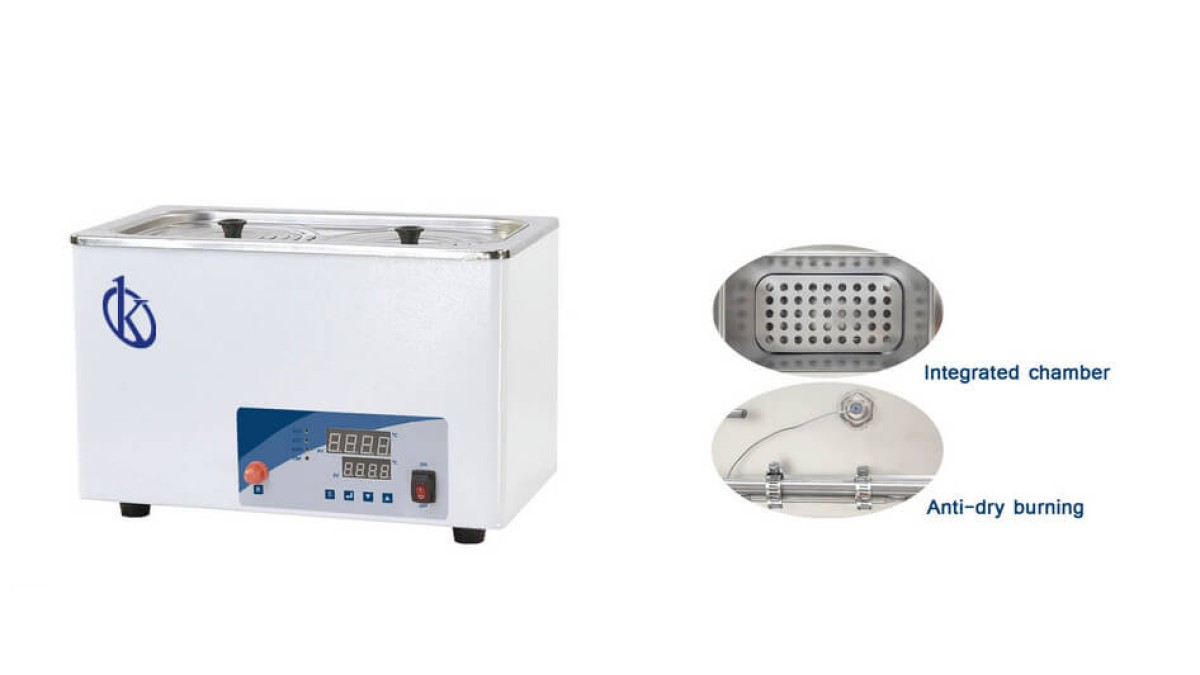
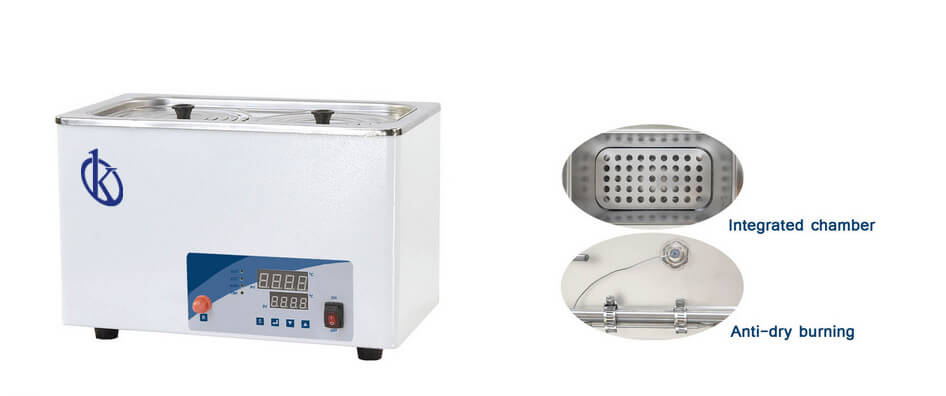
Water Baths: Practical Applications and Techniques 2026
Water baths are essential tools in laboratory settings, serving multiple purposes across various industries. In 2026, their applications have expanded, and understanding how to utilize them effectively is crucial for laboratory professionals. This article will delve into the usage of water baths, their history, step-by-step usage instructions, best practices, and comparisons of available models.
What is it used for in 2026
In 2026, water baths are primarily used for maintaining samples at a consistent temperature, facilitating reactions that require precise thermal conditions. They are commonly utilized in biological, chemical, and clinical laboratories for tasks such as:
- Heating solutions for biochemical reactions
- Incubating samples at specific temperatures
- Melting solids and maintaining substances in liquid form
- Thermostating samples in various analytical procedures
History and evolution of the technology
The concept of water baths dates back to the early 20th century when laboratories needed reliable methods to control temperature for experiments. Early models consisted of simple containers filled with water, heated manually. Over the years, innovations led to the development of electric water baths, allowing for precise temperature control. Modern advancements have introduced PID controllers, digital displays, and enhanced safety features, making water baths indispensable tools in contemporary laboratories.
How to use it step by step
Using a water bath requires careful attention to detail. Follow these steps for optimal results:
- Set your desired temperature using the control interface.
- Allow the water bath to reach the set temperature before placing any samples inside.
- Prepare your samples in appropriate containers to prevent contamination.
- Carefully place the containers in the water bath, ensuring they are fully submerged.
- Monitor the temperature periodically and adjust as necessary.
- After the required time, remove the samples using heat-resistant tools to avoid burns.
- Clean the bath according to the manufacturer's guidelines after use.
Best techniques and protocols
For effective use of water baths, consider the following techniques:
- Always preheat the water bath to avoid temperature shocks to samples.
- Use a calibrated thermometer to verify the water bath's actual temperature.
- Implement a timer for precise incubation periods.
- Regularly clean the water bath to prevent contamination.
- Ensure that the water level is adequate to cover samples, but not so high as to risk spillage.
Practical applications by laboratory type
Water baths find applications across various laboratory types:
- Clinical Laboratories: Used for serum and plasma incubation, enzyme assays, and culture media preparation.
- Research Laboratories: Essential for temperature-sensitive experiments and sample preparation in biological and chemical research.
- Quality Control Laboratories: Employed in testing the stability of products and materials under controlled temperature conditions.
Regulations, standards and certifications
Water baths must comply with specific laboratory standards and regulations, including:
- ISO standards for laboratory equipment safety and performance.
- Good Laboratory Practices (GLP) guidelines to ensure reliability and repeatability of results.
- Regular certification from relevant health and safety authorities.
Comparison with alternative technologies
When considering alternatives to water baths, other heating technologies include:
- Dry Block Heaters: Provide uniform temperature control without water but may lack the versatility of water baths.
- Heating Mantles: Useful for heating reactions but offer less precise temperature control for sensitive samples.
- Heat Plates: Generally faster to heat but can lead to uneven temperature distribution.
Comparison of available models
| Model | Best for | Key specs | Recommended use case |
|---|---|---|---|
| YR05073 | General laboratory heating | 300W, 220V/50Hz | Heating samples for biochemical reactions |
| YR05074 | General laboratory heating | 300W, 220V/50Hz | Incubation of cultures and samples |
| YR030L | Agitation and heating | 600W, RT~100°C | Biological sample preparation with agitation |
| YR05001 | Cooling and heating | 3000W, -35~200°C | Precise temperature control for reactors |
| YR05002 | Cooling and heating | 6000W, -35~200°C | Temperature control for larger reactors |
| YR05003 | Cooling and heating | 3000W, -35~200°C | Specialized applications in chemical reactions |
Common mistakes and how to avoid them
To ensure efficient use of water baths, avoid these common mistakes:
- Overloading: Do not overcrowd the bath, as this can lead to uneven heating.
- Ignoring maintenance: Regularly check and maintain the equipment to ensure optimal performance.
- Inaccurate temperature monitoring: Always verify the temperature with calibrated instruments.
- Using unsuitable containers: Ensure containers are appropriate for heating to avoid melting or reactions.
Maintenance, calibration and good practices 2026
Proper maintenance and calibration are essential for optimal performance. Follow these practices:
- Clean the water bath regularly to prevent contamination.
- Calibrate temperature sensors annually to ensure accuracy.
- Inspect electrical connections and heating elements for wear.
- Replace water frequently to prevent microbial growth.
Cost-benefit analysis 2026
Investing in a water bath can provide significant benefits, including:
- Increased productivity through reliable temperature control.
- Enhanced precision in experiments, leading to better results.
- Long-term cost savings by reducing the need for alternative heating equipment.
- Improved safety due to built-in protective features.
Frequently asked questions
What is the ideal temperature range for using a water bath?
The ideal temperature range for water baths typically lies between RT +5°C and 100°C, depending on the specific application and model used.
Can I use any container in a water bath?
No, it is essential to use heat-resistant containers that are compatible with the liquids being heated to avoid melting or chemical reactions.
How often should I calibrate my water bath?
It is recommended to calibrate your water bath at least once a year, or more frequently if precise temperature control is critical to your work.
What are the signs that my water bath needs maintenance?
Signs include inconsistent heating, unusual noises, or visible wear on the heating elements or controls.
Is it safe to leave a water bath unattended?
It is not recommended to leave a water bath unattended, especially at high temperatures, due to potential safety hazards.
How do I clean my water bath effectively?
Use a mild detergent and soft cloth to clean the interior and exterior surfaces. Ensure to rinse thoroughly and dry properly after cleaning.
Where can I find high-quality water baths?
For high-quality water baths and laboratory equipment, consider requesting a quote on Kalstein Plus, where you'll find a variety of options tailored to your needs.
If you are looking for a fusion of innovation and quality, you have come to the right place. At Kalstein, we offer you the luxury of exploring our exclusive catalog of laboratory equipment. We manufacture every device to the highest standards of excellence. Our intuitive and seamless online purchasing channels are designed for your convenience, securing the most competitive prices. Hesitate no longer — we bring science to life, it is time to become part of our community.