Vortex Mixers: Essential Techniques and Protocols in 2026
Vortex mixers are critical tools utilized in laboratories for the effective mixing of solutions and samples. In 2026, understanding their applications, techniques, and protocols is paramount for laboratory professionals aiming to enhance productivity and accuracy in their workflows.
What is it used for in 2026
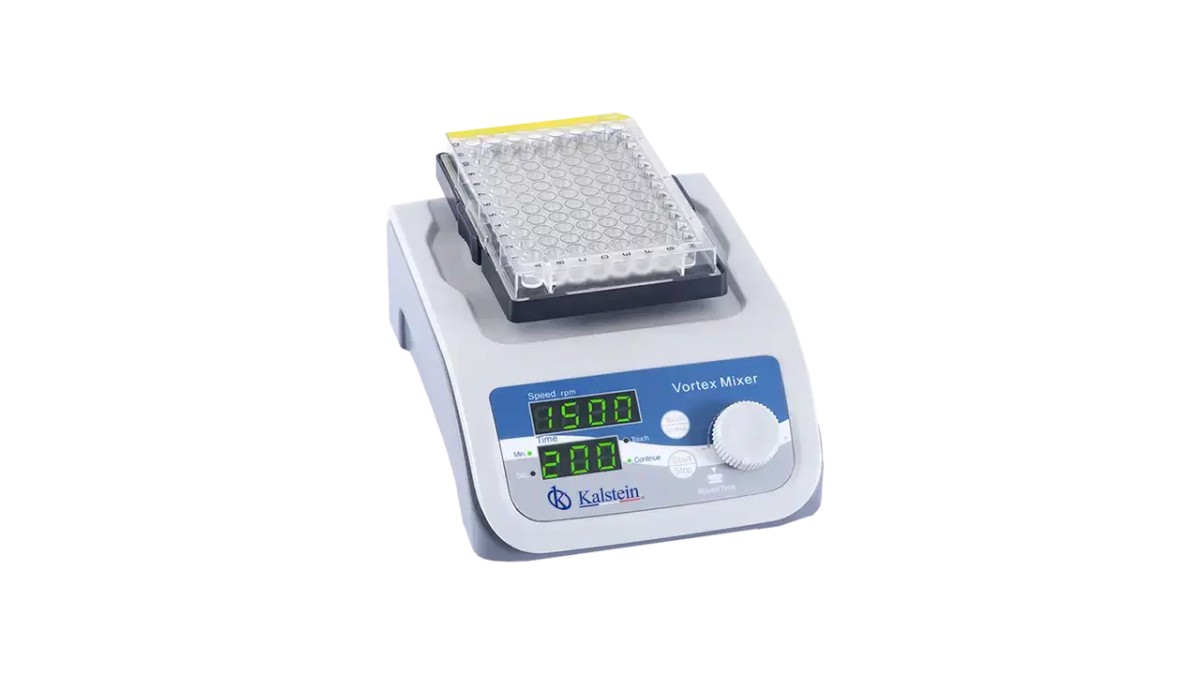
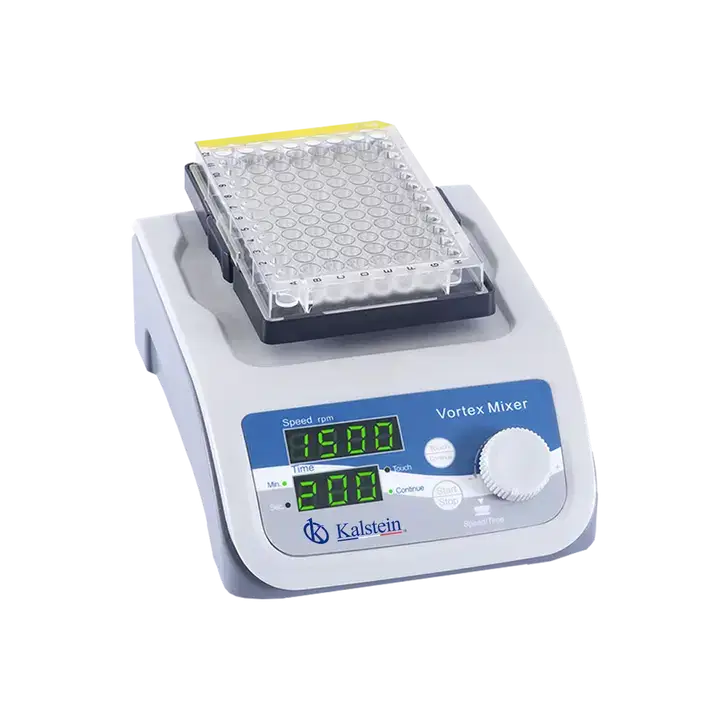
In 2026, vortex mixers serve a variety of functions including mixing, emulsifying, and dispersing liquid samples. They are particularly useful in preparing samples for analysis, ensuring homogeneity in reactions, and facilitating the dissolution of powders in liquids. These mixers are essential in fields such as biochemistry, microbiology, and pharmaceuticals.
History and evolution of the technology
The technology behind vortex mixers has evolved significantly over the years. Initially, manual mixing methods were prevalent, but as laboratory needs grew, so did the demand for automated solutions. The introduction of vortex mixers revolutionized sample preparation by providing consistent and efficient mixing capabilities. Over time, advancements in motor technology, control systems, and design have enhanced their reliability and functionality.
How to use it step by step
- Prepare your samples: Ensure that the samples are contained within appropriate tubes or vessels.
- Set the speed: Adjust the vortex mixer to the desired speed setting based on the viscosity of the samples.
- Place the sample securely: Position the sample vessel securely on the platform of the vortex mixer.
- Start the mixer: Activate the vortex mixer and observe the mixing process.
- Monitor the mixing: Ensure that the samples are adequately mixed, adjusting the time as necessary.
- Stop and remove: Once mixing is complete, stop the mixer and carefully remove the samples.
Best techniques and protocols
When utilizing vortex mixers, it is crucial to follow best practices to ensure effective mixing while avoiding sample degradation. Techniques include:
- Pre-conditioning samples: Allow samples to reach room temperature before mixing.
- Using appropriate vessels: Always use vessels designed for vortex mixing to prevent spillage.
- Short mixing bursts: Utilize short bursts of mixing to avoid overheating of samples.
- Cleaning and maintenance: Regularly clean the mixer to prevent contamination between samples.
Practical applications by laboratory type
Vortex mixers find applications across various laboratory types:
- Biochemistry labs: Used for preparing solutions and mixing reagents.
- Microbiology labs: Effective in homogenizing cultures and suspensions.
- Clinical labs: Essential for preparing samples for analysis.
- Research facilities: Useful for experimentation requiring precise mixing of chemicals.
Regulations, standards and certifications
In the realm of laboratory equipment, adherence to regulations and certifications is vital. Vortex mixers must comply with safety standards such as ISO and CE certifications to ensure they meet international safety and quality benchmarks. Furthermore, regular audits and maintenance checks are essential for laboratories to remain compliant.
Comparison with alternative technologies
While vortex mixers are popular, other mixing technologies exist. These include magnetic stirrers and bead mills. Each has its benefits:
- Magnetic stirrers: Ideal for continuous mixing without physical agitation.
- Bead mills: Best for high-energy mixing of tough materials.
Vortex mixers are favored for their speed and efficiency in applications requiring quick sample preparation.
Comparison of available models
| Model | Best for | Key specs | Recommended use case |
|---|---|---|---|
| YR06047-1 | Basic mixing tasks | Dimensions: x x, Price: $8.50 | Suitable for simple mixing of aqueous solutions. |
| YR06047-2 | General laboratory use | Dimensions: x x, Price: $8.50 | Effective for a variety of laboratory applications. |
| YR06047-3 | High viscosity solutions | Dimensions: x x, Price: $10.00 | Ideal for mixing higher viscosity samples. |
| YR06047-4 | Advanced mixing needs | Dimensions: x x, Price: $16.50 | Best for complex mixtures requiring high energy. |
| YR06047-5 | Specialized applications | Dimensions: x x, Price: $16.50 | Useful for unique laboratory protocols. |
| YR06047-6 | Robust mixing tasks | Dimensions: x x, Price: $16.50 | Ideal for heavy-duty mixing requirements. |
Common mistakes and how to avoid them
Laboratory professionals often make several common mistakes when using vortex mixers, including:
- Overloading the mixer: Always ensure that the mixer is not overloaded beyond its capacity.
- Neglecting cleaning: Failing to clean the mixer can lead to cross-contamination.
- Ignoring speed settings: Not adjusting the speed according to sample viscosity can lead to inadequate mixing.
Awareness and adherence to proper usage techniques can greatly improve the effectiveness of vortex mixers.
Maintenance, calibration and good practices 2026
Regular maintenance of vortex mixers is essential to ensure their longevity and functionality. Good practices include:
- Routine cleaning: Clean the mixer after every use to prevent contamination.
- Calibration checks: Perform regular calibration checks to ensure accurate mixing speeds.
- Inspection: Regularly inspect the mixer for wear and tear, especially the motor and platform.
Cost-benefit analysis 2026
Investing in a vortex mixer can provide significant returns in efficiency and sample preparation quality. In 2026, the cost of vortex mixers ranges from affordable entry-level models to advanced units. The benefits include:
- Increased productivity: Faster mixing leads to decreased preparation time.
- Consistency: Ensures uniform mixing, which is crucial for reliable results.
Ultimately, the cost of a vortex mixer is justified by the improvements it brings to laboratory workflows.
Frequently asked questions
What are the best practices for using a vortex mixer?
Best practices include pre-conditioning samples, using appropriate vessels, and utilizing short mixing bursts.
How do I choose the right model for my laboratory?
Consider the viscosity of your samples, the volume of solutions, and the specific applications you require from the mixer.
What maintenance is required for vortex mixers?
Regular cleaning, routine calibration checks, and inspections for wear and tear are essential for maintaining vortex mixers.
Can vortex mixers lead to sample degradation?
Improper use, such as excessively high speeds or overheating, can lead to sample degradation; therefore, it is vital to follow best practices.
How often should I clean my vortex mixer?
It is recommended to clean the vortex mixer after each use to avoid cross-contamination.
What types of samples can be mixed with a vortex mixer?
Vortex mixers can handle a variety of samples, including liquids, emulsions, and suspensions, making them versatile in laboratory settings.
Where can I find vortex mixers for purchase?
You can request a quote for vortex mixers from trusted laboratory equipment providers to find the right model for your needs.
If you are looking for a fusion of innovation and quality, you have come to the right place. At Kalstein, we offer you the luxury of exploring our exclusive catalog of laboratory equipment. We manufacture every device to the highest standards of excellence. Our intuitive and seamless online purchasing channels are designed for your convenience, securing the most competitive prices. Hesitate no longer — we bring science to life, it is time to become part of our community.