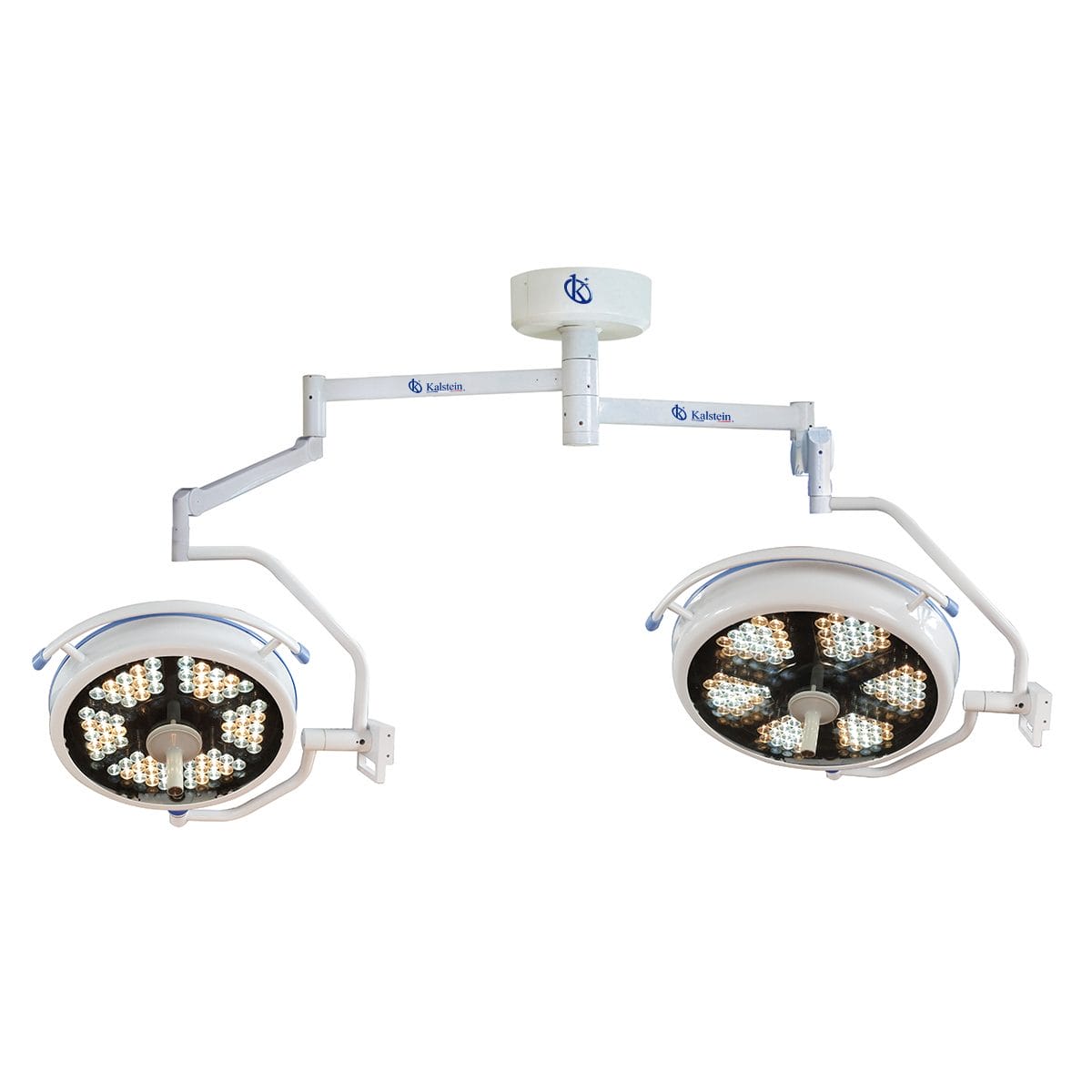
Veterinary Operating Lamps: Predictive Maintenance and Recommended Calibration 2026
Veterinary operating lamps are essential for surgical procedures, providing the necessary illumination for complex tasks. As veterinary practices continue to evolve, the importance of predictive maintenance and periodic calibration of these lamps has surged. In this article, we will explore the necessity of maintenance and calibration, how it improves safety and efficiency, and we will compare various models of veterinary operating lamps.
Understanding Predictive Maintenance for Veterinary Operating Lamps
Predictive maintenance is a proactive approach that aims to anticipate equipment failures before they occur. By using data analysis tools and techniques, veterinary practices can schedule maintenance based on the actual condition of operating lamps, thereby optimizing their performance and lifespan. This approach not only minimizes unexpected breakdowns but also enhances the safety of surgical procedures.
Importance of Regular Calibration
Calibration involves adjusting and verifying the accuracy of surgical lamps to ensure they meet the required standards. Regular calibration is critical as it maintains the quality of light output, which is vital for accurate surgical procedures. Inaccurate lighting can lead to serious consequences, including surgical errors. Therefore, establishing a regular calibration schedule is imperative for veterinary practices.
Description of Key Models
Several models of veterinary operating lamps stand out in the market today, each with its unique features and benefits. Below is a brief overview of each model, focusing on their suitability for predictive maintenance and calibration.
Comparison of Available Models
| Model | Illuminance (Lux) | Color Temperature (K) | Depth of Illumination (mm) | Price (USD) | Best For |
|---|---|---|---|---|---|
| YR06115 | ≥160,000 | 3800±500K, 4400±500K, 5000±500K | ≥1300 | 3400.00 | Complex surgeries |
| YR06116 | 160,000 | 3500K to 5000K | N/A | 2100.00 | Standard surgical procedures |
| YR06117 | 40000~160000 | 3000~6700 | ≥600 | 1300.00 | Ceiling-mounted applications |
| YR06118 | 40000~160000 | 3000~6700 | ≥600 | 1300.00 | Wall-mounted applications |
| YR06119 | ≥100,000 | 4800±300 | ≥600 | 550.00 | Minor surgical procedures |
| YR06120 | ≥50000 | 4800±200 | N/A | 450.00 | Deep illumination needs |
Common Mistakes and How to Avoid Them
One common mistake in veterinary practices is neglecting the maintenance schedule for operating lamps. It is essential to establish a routine check-up and calibration timeline to avoid any lapse in performance. Another mistake is failing to document calibration and maintenance activities, which can lead to compliance issues and untraceable service history. By creating a systematic approach to tracking maintenance, practices can ensure their equipment remains in optimal condition.
Predictive Maintenance Strategies
Implementing predictive maintenance involves several strategies, including regular inspections, utilizing diagnostic equipment, and analyzing usage patterns. For example, the YR06115 model features an automatic light adjustment that can help in minimizing the frequency of manual checks. Furthermore, data collection from usage can guide maintenance schedules and ensure timely interventions.
Calibration Procedures for Veterinary Operating Lamps
Calibration procedures can vary by model and should adhere to the manufacturer's guidelines. For instance, the YR06116 offers a color temperature adjustment feature, which requires calibration checks to ensure accuracy. Veterinary practices should develop a calibration checklist that includes all necessary parameters such as illuminance, color temperature, and depth of illumination.
What are the typical calibration intervals for veterinary operating lamps?
Calibration intervals for veterinary operating lamps typically range from monthly to bi-annual checks, depending on usage. For instance, the YR06117 model, commonly used in busy surgical environments, may benefit from more frequent checks to ensure optimal performance.
How do different models affect the calibration process?
Different models have varying calibration features, which can influence the calibration process. For example, the YR06116 allows for color temperature adjustments while the YR06119 focuses on light output, necessitating distinct calibration methods tailored to each model.
What tools are needed for effective calibration of surgical lamps?
Effective calibration of surgical lamps typically requires a light meter, color temperature meter, and other diagnostic tools. For instance, using a light meter with the YR06115 helps to accurately gauge illuminance levels, ensuring compliance with surgical standards.
How can predictive maintenance improve the lifespan of veterinary lamps?
Predictive maintenance can significantly improve the lifespan of veterinary lamps by preemptively addressing wear and tear issues before they lead to equipment failure. Regular checks on the YR06117 can help identify potential problems, thus extending its operational life.
What is the cost impact of neglecting calibration in veterinary surgeries?
Neglecting calibration in veterinary surgeries can lead to increased operational costs due to potential surgical errors and equipment replacements. For instance, using the YR06119 without regular checks may result in costly mistakes during procedures, leading to higher expenses in rectifying issues.
Which maintenance practices are most effective for veterinary operating lamps?
Effective maintenance practices include regular light output checks, cleaning, and timely calibration. For example, establishing a routine for the YR06118 can ensure the lamp remains in optimal condition and ready for use at all times.
How does the choice of lamp model affect maintenance costs?
The choice of lamp model can greatly affect maintenance costs; more advanced models like the YR06116 may entail higher calibration costs but provide greater reliability and performance. In contrast, simpler models may have lower maintenance costs but may lack advanced features.
What are the key benefits of using LED surgical lamps in veterinary practices?
LED surgical lamps, such as the YR06120, offer numerous benefits including longer lifespan, lower energy consumption, and better light quality. These advantages make them ideal for veterinary practices looking to enhance performance while minimizing operational costs.
If you are looking for a fusion of innovation and quality, you have come to the right place. At Kalstein, we offer you the luxury of exploring our exclusive catalog of laboratory equipment. We manufacture every device to the highest standards of excellence. Our intuitive and seamless online purchasing channels are designed for your convenience, securing the most competitive prices. Hesitate no longer — we bring science to life, it is time to become part of our community.