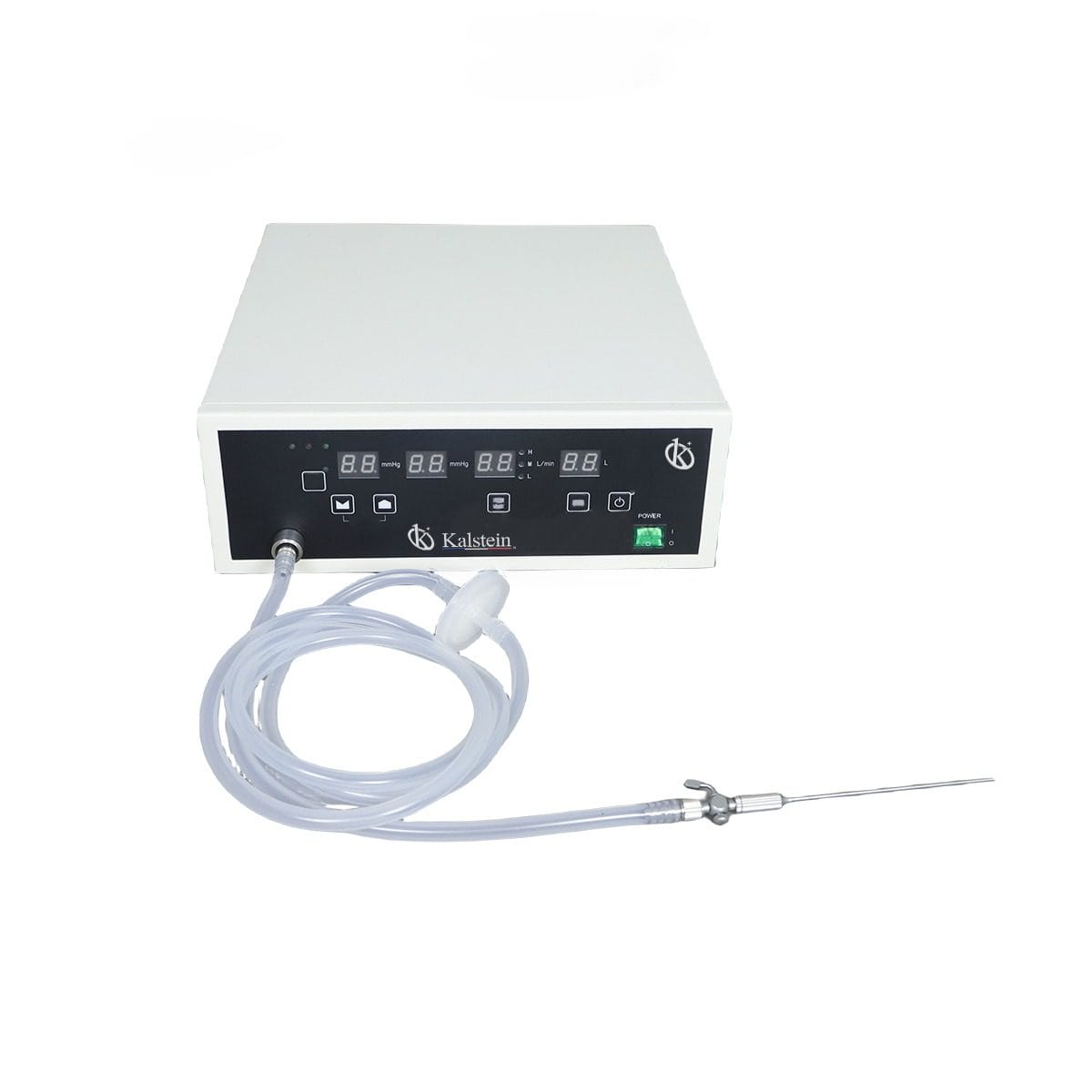
Veterinary Laparoscopy Systems: Practical Applications and Techniques 2026
The veterinary laparoscopic systems have revolutionized surgical practices in veterinary medicine, allowing for minimally invasive procedures that can significantly reduce recovery time for animals. In this article, we will explore the practical applications, techniques, and best practices for utilizing these systems effectively in 2026.
What is it used for in 2026
In 2026, veterinary laparoscopy systems are primarily used for minimally invasive surgeries, including but not limited to, spaying and neutering, abdominal explorations, and biopsies. The technology allows veterinarians to perform complex procedures with enhanced precision and reduced trauma to tissues. It also enables quicker post-operative recovery, which is critical in veterinary care.
History and evolution of the technology
The evolution of veterinary laparoscopy dates back to the late 20th century, originally used in human medicine. As technology advanced, so did its adaptation for veterinary practices. Early systems were bulky and required significant learning and skill, but recent advancements have led to the development of compact, user-friendly devices that integrate high-definition imaging and better insufflation systems, enhancing the surgical experience for both veterinarians and animals.
How to use it step by step
Using a veterinary laparoscopy system involves several critical steps:
- Preparation: Ensure all equipment is sterile and functional. Review the procedure and prepare the animal adequately.
- Insufflation: Utilize a CO2 insufflator to create a pneumoperitoneum, providing space for surgical operations.
- Camera insertion: Insert the laparoscope through a small incision to visualize the surgical area.
- Performing surgery: Use specialized instruments to carry out the procedure while monitoring the live feed from the camera.
- Closure: Once the procedure is complete, deflate the abdomen and close the incisions appropriately.
Best techniques and protocols
For effective use of veterinary laparoscopy systems, the following techniques and protocols are recommended:
- Always use high-definition imaging for better visualization.
- Prioritize patient safety by monitoring vital signs throughout the procedure.
- Adopt a systematic approach to surgical techniques to minimize complications.
- Maintain communication with your surgical team to ensure synchronized actions.
Practical applications by laboratory type
Veterinary laparoscopy systems can be applied in various laboratory settings:
- Clinical veterinary practices: Routine spay/neuter and exploratory surgeries.
- Research laboratories: Biopsy collection for research purposes.
- Emergency veterinary care: Rapid interventions for critical cases.
Regulations, standards and certifications
In 2026, veterinary laparoscopy systems must comply with various regulations and standards to ensure safety and effectiveness. These include:
- FDA approval for medical devices used in veterinary procedures.
- ISO certifications for manufacturing processes and product safety.
- Regular audits and inspections to ensure compliance with operational protocols.
Comparison with alternative technologies
Compared to traditional open surgery, veterinary laparoscopy offers several advantages:
- Reduced pain and trauma to the animal.
- Shorter recovery times and less postoperative care needed.
- Enhanced visualization of internal structures, leading to better outcomes.
Comparison of available models
| Model | Best for | Key specs | Recommended use case |
|---|---|---|---|
| YR06157 | Small animal surgeries | Flow rate: 4L/min, 6L/min, 10L/min | Ideal for laparoscopic procedures in small pets. |
| YR06156 | High-definition imaging | Illumination: ≥700,000 Lux | Best used in environments requiring high-quality imaging. |
| YR06158 | CO2 insufflation | Flow rate: 2L/min-40L/min | Suitable for larger surgeries requiring extensive visualization. |
Common mistakes and how to avoid them
Common pitfalls in using veterinary laparoscopy systems include:
- Inadequate preparation leading to complications.
- Insufficient knowledge of equipment, which can lead to improper use.
- Failure to monitor animal vitals effectively during surgery.
To avoid these mistakes, ensure comprehensive training and establish a thorough pre-surgery checklist.
Maintenance, calibration and good practices 2026
Proper maintenance and calibration are essential for the longevity of veterinary laparoscopy systems. Recommended practices include:
- Regular cleaning and sterilization of instruments.
- Periodic calibration of the insufflator for accurate flow rates.
- Routine checks on camera clarity and lighting functions.
Cost-benefit analysis 2026
Investing in veterinary laparoscopy systems can yield significant benefits:
- Reduced overall surgical costs due to quicker recovery and less postoperative care.
- Enhanced service offerings, attracting more clients.
- Improved success rates leading to better animal outcomes and satisfaction.
Frequently asked questions
What should I consider when choosing a veterinary laparoscopy system?
Consider factors such as the type of surgeries you will perform, the size of the animals, and whether you need high-definition imaging capabilities.
How can I ensure the safety of my patients during laparoscopic procedures?
Always monitor vital signs, use appropriate anesthesia protocols, and prepare for potential complications.
What are the benefits of using CO2 insufflators in veterinary laparoscopy?
CO2 insufflators help create a safe working space in the abdomen, allowing for enhanced visualization and effective surgical manipulation.
How often should I calibrate my veterinary laparoscopy equipment?
It's advisable to calibrate your equipment regularly, ideally before each surgical procedure, to ensure accuracy and performance.
Are there any specific trainings required to operate these systems?
Yes, it's crucial to undergo specific training to understand the equipment's functionality and best practices in surgical procedures.
What are the common issues faced while using veterinary laparoscopy systems?
Common issues include equipment malfunction, inadequate insufflation, and poor visualization, which can often be mitigated through thorough training and maintenance.
How can I request a quote for veterinary laparoscopy systems?
You can easily request a quote by contacting us directly, and our team will assist you promptly.
If you are looking for a fusion of innovation and quality, you have come to the right place. At Kalstein, we offer you the luxury of exploring our exclusive catalog of laboratory equipment. We manufacture every device to the highest standards of excellence. Our intuitive and seamless online purchasing channels are designed for your convenience, securing the most competitive prices. Hesitate no longer — we bring science to life, it is time to become part of our community.