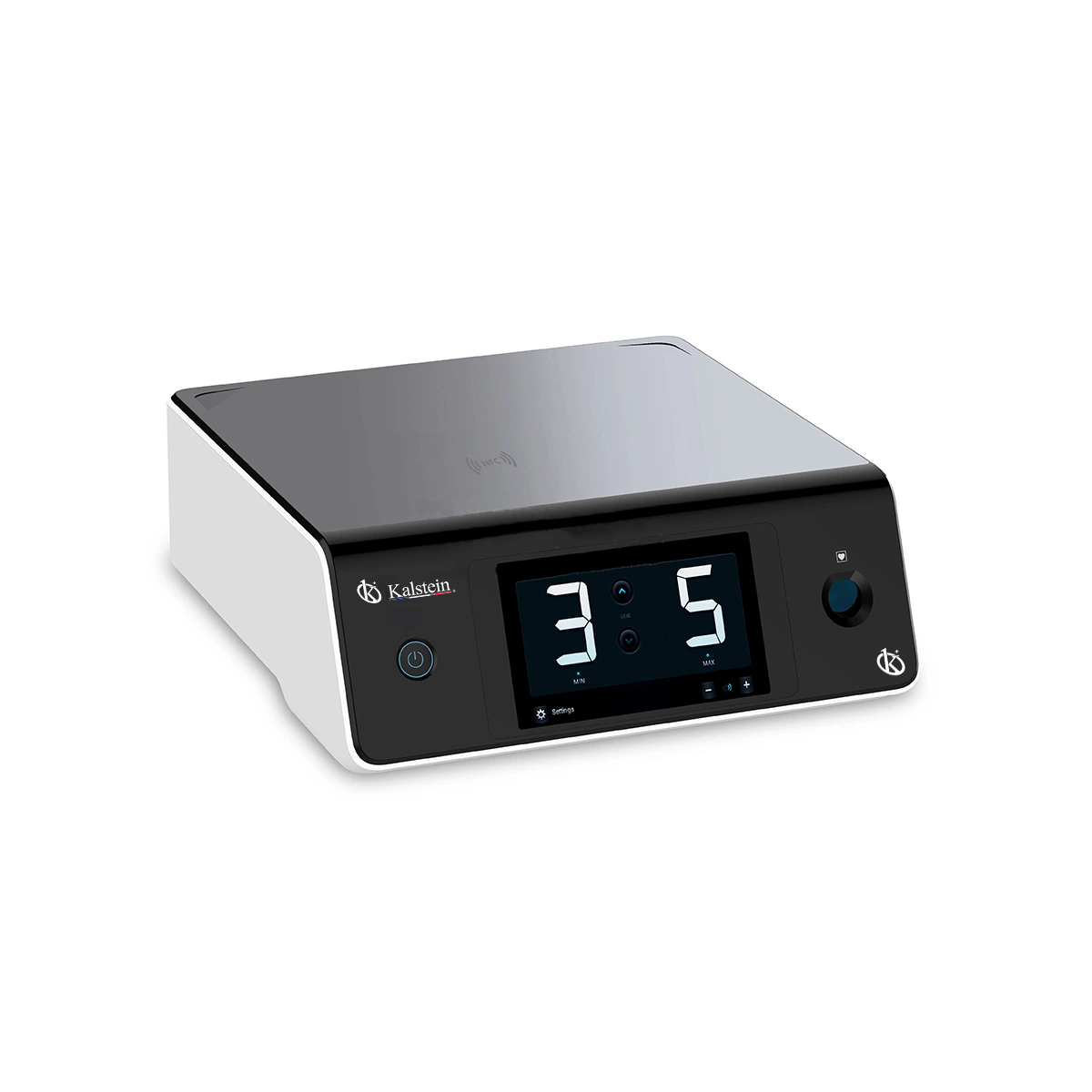
Veterinary Electrosurgical Units: Practical Applications and Techniques 2026
Veterinary Electrosurgical Units are vital tools in modern veterinary surgeries, providing precision and efficiency in various procedures. These units use high-frequency electric currents to cut tissue and coagulate blood, reducing the risk of excessive bleeding and ensuring faster recovery times for patients. In this article, we will explore the practical applications and techniques involved in using these devices effectively in clinical laboratories and hospitals in 2026.
What is it used for in 2026
In 2026, Veterinary Electrosurgical Units are predominantly utilized in a range of surgical procedures, including but not limited to:
- General surgery, including gastrointestinal, urological, and gynecological procedures.
- Soft tissue surgeries, where precision cutting and coagulation are required.
- Orthopedic surgeries, where the sealing of blood vessels is critical.
- Laser surgeries, combining electrosurgery with laser technology for enhanced efficacy.
- Minimally invasive surgeries such as laparoscopy, benefiting from the reduced trauma to tissues.
History and evolution of the technology
The technology behind Veterinary Electrosurgical Units has evolved significantly over the years. Initially, electrosurgery was introduced in the early 20th century, primarily for human surgeries. The adaptation for veterinary use began in the late 20th century. Key milestones include:
- The introduction of high-frequency electric currents for precise cutting and coagulation.
- Advancements in safety features, such as automatic shut-off and temperature control.
- The development of multifunctional units that integrate multiple surgical functions into one device.
- The introduction of portable systems, allowing for greater flexibility and ease of use in various settings.
How to use it step by step
Using a Veterinary Electrosurgical Unit involves several critical steps to ensure safety and effectiveness:
- Preparation: Ensure that all necessary equipment is sterilized and ready for use. Check the unit for any damages.
- Setup: Connect the unit to the power source, ensuring it meets the required voltage specifications.
- Calibration: Follow the manufacturer’s instructions to calibrate the device for specific procedures.
- Patient Preparation: Ensure the patient is properly anesthetized and positioned for the procedure.
- Electrosurgical Techniques: Choose the appropriate mode (cutting, coagulation, etc.) based on the surgical need.
- Execution: Apply the electrosurgical instrument as needed, maintaining control and precision throughout the procedure.
- Post-Procedure Care: Monitor the patient for any signs of complications and ensure proper recovery protocols are followed.
Best techniques and protocols
When using Veterinary Electrosurgical Units, adhering to best practices is crucial for optimal outcomes. Here are some recommended techniques:
- Use the lowest effective power setting to minimize thermal damage to surrounding tissues.
- Incorporate active electrode maintenance to ensure effective performance.
- Implement a thorough pre-surgical assessment of the patient to tailor the procedure to their specific needs.
- Utilize appropriate grounding techniques to prevent burns and ensure safety.
- Follow established protocols for each type of surgery to enhance safety and efficacy.
Practical applications by laboratory type
Veterinary Electrosurgical Units find applications across various laboratory types:
- Veterinary Clinics: Regular use in routine surgeries and emergency cases.
- Research Facilities: Utilized in experimental surgeries and studies focusing on surgical techniques.
- Teaching Hospitals: Essential tools for training veterinary students in surgical procedures.
- Mobile Veterinary Services: Facilitate surgeries in field conditions with portable units.
Regulations, standards and certifications
In the veterinary sector, compliance with regulations and standards is paramount. Key considerations include:
- Adhering to ISO standards for medical devices, ensuring safety and efficacy.
- Certification from relevant regulatory bodies to guarantee equipment meets industry standards.
- Regular audits and inspections to maintain compliance with health and safety regulations.
Comparison with alternative technologies
When considering alternatives to Veterinary Electrosurgical Units, several technologies come to mind:
- Traditional Surgical Techniques: While effective, these methods may lead to longer recovery times and increased bleeding risks.
- Laser Surgery: Offers precision similar to electrosurgery but can be more costly and requires specialized training.
- Radiofrequency Surgery: Provides less thermal damage, but may not be suitable for all types of tissue.
Comparison of available models
| Model | Best for | Key specs | Recommended use case |
|---|---|---|---|
| YR06129 | Soft tissue surgeries | Output Current: 180-380 mA | Ideal for surgeries requiring precise cutting and coagulation. |
| YR06130 | General surgery | Power: 35W Max | Recommended for a variety of surgical procedures, including hemostasis. |
| YR06131 | Laparoscopic procedures | Max Power: 300W | Best suited for procedures requiring reliable vessel sealing. |
| YR06132 | Open surgeries | Power Modes: Up to 300W | Effective for surgeries needing deep coagulation. |
| YR06133 | Laser surgeries | Max Power: 15W | Ideal for procedures requiring minimal tissue damage and quick recovery. |
| YR06134 | Versatile surgical applications | Max Power: 15W | Great for various surgical tasks, especially in mobile setups. |
Common mistakes and how to avoid them
To enhance the effectiveness of Veterinary Electrosurgical Units, professionals should be aware of common pitfalls:
- Improper Power Settings: Always adjust power settings to match the procedure to prevent tissue damage.
- Neglecting Equipment Maintenance: Regularly check and maintain equipment to ensure it operates efficiently.
- Inadequate Training: Ensure all staff are properly trained on the specific models and techniques of use.
- Ignoring Safety Protocols: Always adhere to safety guidelines to mitigate risks of accidents.
Maintenance, calibration and good practices 2026
For optimal performance of Veterinary Electrosurgical Units, proper maintenance and calibration are essential:
- Conduct regular inspections to identify any wear and tear.
- Calibrate the unit before high-stakes procedures to ensure accuracy.
- Follow the manufacturer’s recommendations for cleaning and storage.
- Educate staff on best practices for using and maintaining the equipment.
Cost-benefit analysis 2026
The investment in Veterinary Electrosurgical Units can offer significant returns through:
- Reduced surgical times leading to increased patient turnover.
- Lower complication rates resulting in fewer follow-up treatments.
- Enhanced versatility in treatment options, attracting a broader client base.
- Long-term cost savings through the durability and efficiency of modern units.
Frequently asked questions
What types of surgeries can I perform using a Veterinary Electrosurgical Unit?
You can perform a variety of surgeries including general surgeries, soft tissue surgeries, and specialized procedures like laparoscopic surgeries and orthopedic repairs.
How do I choose the right model for my practice?
Consider the types of surgeries you perform most frequently, the power and features offered by each model, and your budget constraints when selecting a model.
What safety precautions should I take when using these units?
Ensure proper grounding techniques, select appropriate power settings, and follow all manufacturer guidelines during operations to minimize risks.
Can I use these units for minimally invasive procedures?
Yes, many models are specifically designed for minimally invasive procedures, offering precision and reduced trauma to tissues.
What maintenance steps are essential for my equipment?
Regularly inspect for wear, calibrate before use, clean thoroughly after procedures, and ensure proper storage to prolong the life of the unit.
How can I integrate electrosurgery into my existing surgical protocols?
Review your current protocols, provide training for your staff, and gradually introduce electrosurgery for suitable procedures while monitoring outcomes.
Where can I request a quote for these units?
For detailed information and to request a quote, reach out to your supplier or manufacturer directly.
If you are looking for a fusion of innovation and quality, you have come to the right place. At Kalstein, we offer you the luxury of exploring our exclusive catalog of laboratory equipment. We manufacture every device to the highest standards of excellence. Our intuitive and seamless online purchasing channels are designed for your convenience, securing the most competitive prices. Hesitate no longer — we bring science to life, it is time to become part of our community.