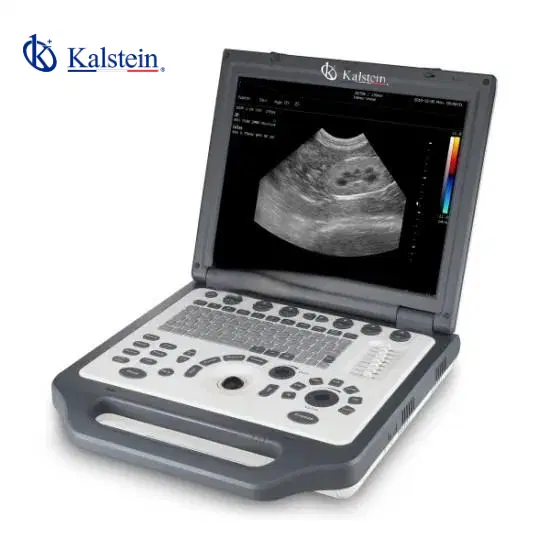
Veterinary Color Doppler: Practical Step-by-Step Guide for 2026
What is it used for in 2026
The Veterinary Color Doppler technology is primarily used for diagnostic imaging in veterinary medicine. It allows veterinarians to visualize blood flow and assess various conditions in animals. This technology is essential for evaluating cardiovascular health, detecting abnormalities in organ structure, and guiding interventions during surgical procedures. In 2026, its applications have expanded, enabling more accurate diagnostics and treatment planning in veterinary practices.
History and evolution of the technology
The evolution of Doppler ultrasound technology in veterinary medicine dates back to its initial development in the 20th century. The continuous advancements in imaging technology have led to the integration of color Doppler ultrasound, enhancing real-time visualization of blood flow. Over the years, improvements in resolution, portability, and user interface have made this technology widely accessible to veterinary practitioners. By 2026, the technology has reached a level of sophistication that allows for comprehensive assessments of various animal species, including dogs, cats, horses, and cattle.
How to use it step by step
Using a Veterinary Color Doppler involves several systematic steps to ensure effective imaging:
- Preparation: Ensure that the equipment is calibrated and functional. Prepare the animal for the examination by ensuring it is comfortable and calm.
- Positioning: Position the animal appropriately on the examination table. Use restraints if necessary to prevent movement.
- Applying Gel: Apply a suitable ultrasound gel on the area of interest to ensure good contact between the probe and the skin.
- Selecting the Probe: Choose the appropriate transducer based on the animal size and the area being examined.
- Adjusting Settings: Set the machine settings according to the examination requirements, including depth and gain adjustments.
- Performing the Scan: Move the probe over the area of interest, observing blood flow and structures on the monitor in real time.
- Analyzing Images: Capture images for further analysis, ensuring to document findings accurately for diagnosis.
- Post-Examination: Clean the probe and the animal’s skin after the examination, and discuss findings with the pet owner.
Best techniques and protocols
To achieve optimal results, the following techniques and protocols should be followed:
- Utilize harmonics and spatial imaging techniques to enhance image quality.
- Regularly calibrate and maintain the equipment to ensure accuracy and reliability.
- Employ a systematic approach during scans, ensuring all relevant regions are examined.
- Continuously educate staff on the latest techniques and protocols in ultrasound imaging.
Practical applications by laboratory type
Veterinary Color Doppler is applicable in various laboratory and clinical settings:
- Emergency Veterinary Clinics: Rapid assessment of trauma cases to evaluate internal bleeding and organ damage.
- General Veterinary Practices: Routine cardiovascular evaluations for pets.
- Specialized Veterinary Hospitals: Advanced diagnostics for complex cases, including cardiac and vascular diseases.
Regulations, standards and certifications
In 2026, Veterinary Color Doppler systems must comply with several regulations and standards to ensure safety and efficacy. These may include:
- Adherence to ISO standards for medical devices.
- Compliance with local veterinary regulatory bodies.
- Certification requirements for training and staff competency in using ultrasound technology.
Comparison with alternative technologies
While Veterinary Color Doppler is prominent in veterinary diagnostics, other imaging technologies include:
- X-ray: Useful for assessing bone structures but lacks real-time blood flow visualization.
- MRI: Provides detailed soft tissue images but is expensive and less accessible.
- CT Scans: Offers cross-sectional images and is beneficial for complex cases, though it involves radiation.
Comparison of available models
| Model | Best for | Key specs | Recommended use case |
|---|---|---|---|
| YR06139 | Portable diagnostics | High-resolution 15" LCD, Weight < 5kg, Battery operated | Field use in various environments |
| YR06140 | Advanced imaging techniques | Dynamic focusing, DICOM 3.0, Powerful measurement software | Veterinary hospitals requiring high-end diagnostics |
| YR06141 | Comprehensive diagnostics | 19" adjustable touchscreen, 4 connectors, 500GB HDD | Specialized veterinary practices with high throughput |
Common mistakes and how to avoid them
Common mistakes in using Veterinary Color Doppler can lead to inaccurate diagnoses. Here are some pitfalls and how to circumvent them:
- Neglecting to position the animal correctly can lead to poor image quality. Always ensure proper positioning and restraint.
- Inadequate gel application can hinder image clarity. Use sufficient gel for optimal contact.
- Not adjusting machine settings appropriately can affect the examination outcomes. Familiarize yourself with equipment settings before use.
Maintenance, calibration and good practices 2026
For effective use of Veterinary Color Doppler technology, regular maintenance and calibration are essential:
- Schedule routine maintenance checks to ensure the equipment is functioning correctly.
- Calibrate the machines as per the manufacturer's instructions to maintain accuracy.
- Train staff regularly on good practices to optimize the use and care of the equipment.
Cost-benefit analysis 2026
Investing in Veterinary Color Doppler technology can provide significant returns in terms of diagnostic capabilities:
- Initial Costs: While the upfront costs may be substantial, the ability to perform accurate diagnoses can save time and resources in treatment.
- Long-Term Savings: Early detection of conditions leads to better health outcomes, reducing long-term treatment costs.
- Improved Client Trust: Enhanced diagnostic capabilities can improve client satisfaction and loyalty, translating to increased business.
Frequently asked questions
What should I consider when choosing a Veterinary Color Doppler system?
Consider factors such as the types of animals you will be examining, the portability of the system, and the specific imaging features that meet your practice needs.
How often should the equipment be calibrated?
Calibration should be conducted regularly, ideally before each major use, and according to the manufacturer's recommendations to ensure accurate readings.
What training do staff need to operate the Doppler system effectively?
Staff should undergo training on operational procedures, understanding image interpretation, and troubleshooting common issues.
Can this technology be used for all types of animals?
Yes, Veterinary Color Doppler technology is versatile and can be used for various animal species, including cats, dogs, horses, and cattle.
What are some common issues faced while using Veterinary Color Doppler?
Common issues include poor image quality due to improper positioning, inadequate gel application, and failure to adjust machine settings according to the examination requirements.
How can I ensure the longevity of my Veterinary Color Doppler equipment?
Regular maintenance, proper cleaning after use, and ensuring it is stored in a suitable environment can enhance the longevity of the equipment.
What is the average lifespan of Veterinary Color Doppler machines?
The average lifespan can vary but typically ranges from 5 to 10 years, depending on usage and maintenance practices.
If you are looking for a fusion of innovation and quality, you have come to the right place. At Kalstein, we offer you the luxury of exploring our exclusive catalog of laboratory equipment. We manufacture every device to the highest standards of excellence. Our intuitive and seamless online purchasing channels are designed for your convenience, securing the most competitive prices. Hesitate no longer — we bring science to life, it is time to become part of our community.