Veterinary Chemistry Analyzers: Energy Sustainability and Environmental Footprint Reduction 2026
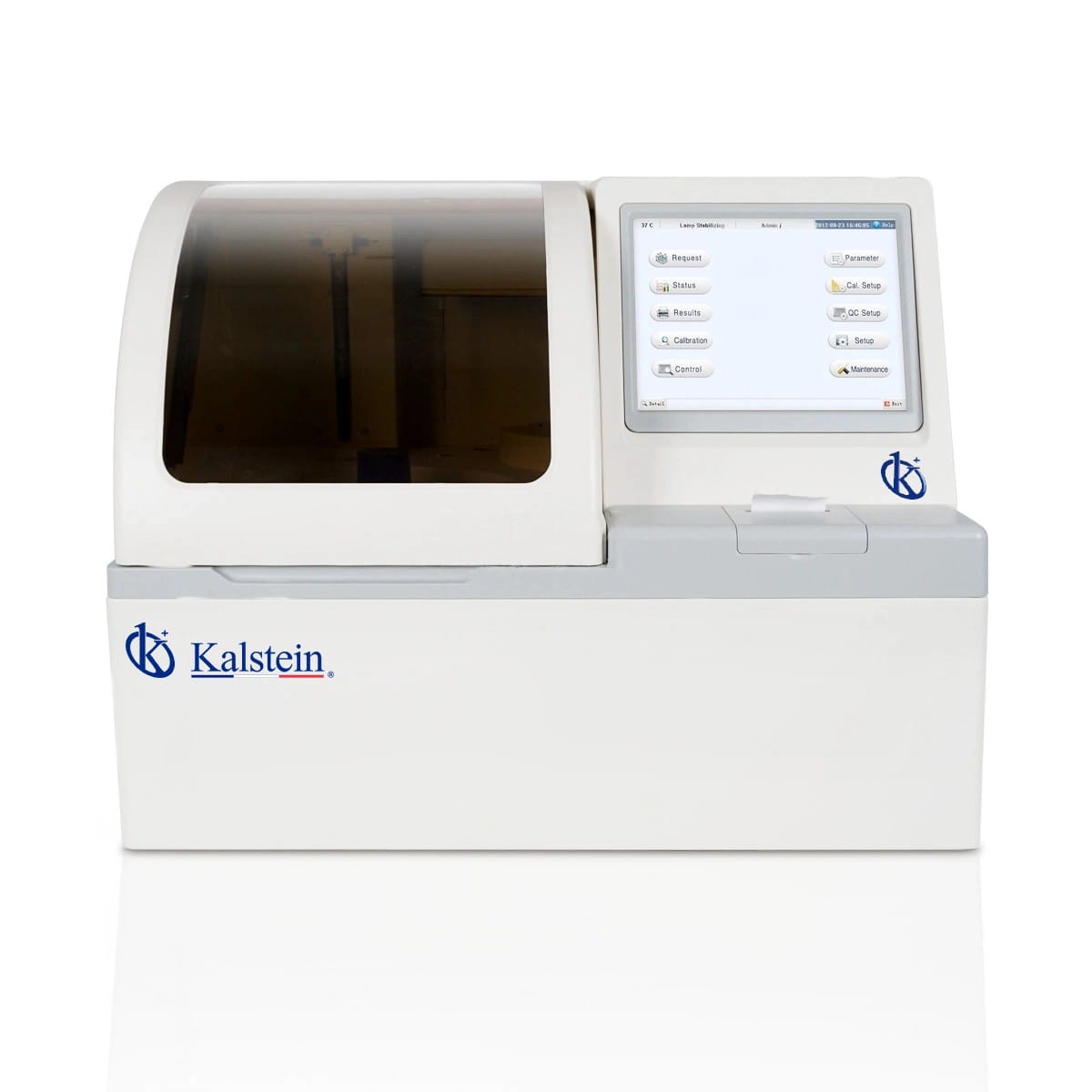
As the field of veterinary diagnostics evolves, there is an increasing emphasis on the importance of energy sustainability and reducing the environmental footprint of laboratory operations. Veterinary chemistry analyzers play a crucial role in this objective, providing accurate and efficient testing while being mindful of their energy consumption and overall environmental impact. This article delves into the importance of energy sustainability within veterinary laboratories, discusses various models of veterinary chemistry analyzers, and highlights the advancements that align with eco-friendly practices.
Understanding Energy Sustainability in Veterinary Chemistry
Energy sustainability refers to the ability to meet current energy needs without compromising the ability of future generations to meet theirs. In the context of veterinary chemistry analyzers, this involves minimizing energy use during operation, reducing waste, and ensuring that equipment has a long lifecycle. This section will explore various strategies that veterinary labs can implement to enhance sustainability.
Key Energy Consumption Metrics for Analyzers
When considering the energy sustainability of veterinary chemistry analyzers, metrics such as energy consumption per test, total kWh used, and the carbon footprint of operations are crucial. For instance, the Automatic Veterinary Chemistry Analyzer YR06168 operates at a maximum of 100 tests per hour, which significantly reduces downtime and energy usage compared to older models that may consume more energy per test due to longer processing times.
Reducing Water and Reagent Consumption
Another factor contributing to overall sustainability is the efficient use of water and reagents. Models like the Portable Veterinary Chemistry Analyzer YR06169 require only about 100µl of whole blood to deliver 16 accurate results, thus minimizing the waste of reagents and samples. This not only aids in lowering operational costs but also contributes to less environmental waste.
Lifecycle Assessment of Veterinary Analyzers
Conducting a lifecycle assessment (LCA) can provide insights into the environmental impact of the analyzers from production to disposal. By evaluating models such as the Blood Gas and Electrolyte Analyzer YR06174, labs can identify areas for improvement in manufacturing processes, energy use during operations, and effective end-of-life recycling or disposal methods.
Implementing E-Waste Reduction Tactics
As technology evolves, the disposal of outdated equipment poses a significant environmental challenge. Veterinary labs can adopt practices such as refurbishment and recycling of analyzers like the Chemical Veterinary Analyzer YR06077 to mitigate e-waste. Partnering with manufacturers who offer take-back programs can also help ensure responsible disposal.
Energy-Efficient Features in Veterinary Analyzers
Modern veterinary chemistry analyzers are equipped with energy-efficient features that allow them to operate with lower power consumption. For example, the Quantitative Veterinary Immunofluorescence Analyzer YR06172 is designed with an energy-efficient battery that supports up to 2 hours of operation, which can be beneficial in mobile veterinary settings.
Comparison of Available Models
| Model | Energy Consumption (kWh/test) | Water Usage (ml) | Reagent Efficiency | Price (USD) |
|---|---|---|---|---|
| YR06168 | 0.5 | 2 | High | 6800.00 |
| YR06169 | 0.3 | 1.5 | Very High | 2000.00 |
| YR06172 | 0.4 | 1 | High | 700.00 |
| YR06174 | 0.65 | 2.5 | Medium | 6600.00 |
| YR06077 | 0.45 | 3 | High | 950.00 |
Common Mistakes and How to Avoid Them
One common mistake that many veterinary laboratories make is neglecting to regularly assess the energy consumption of their analyzers. This can lead to unexpected operational costs and a larger environmental footprint. Additionally, failing to keep up with technological advancements can mean missing out on more efficient models. Regular training and updates for laboratory staff on sustainability practices can help mitigate these issues.
Frequently Asked Questions
What are the energy consumption rates of veterinary chemistry analyzers in 2026?
The energy consumption rates can vary significantly among models. For instance, the Portable Veterinary Chemistry Analyzer YR06169 operates at a low rate of 0.3 kWh per test, making it one of the most energy-efficient options available in 2026.
How can the Automatic Veterinary Chemistry Analyzer YR06168 help reduce environmental impact?
The Automatic Veterinary Chemistry Analyzer YR06168 is designed to conduct up to 100 tests per hour, minimizing energy use per test and consequently reducing the overall environmental footprint of the laboratory.
Which veterinary chemistry analyzer is the most environmentally friendly in 2026?
The Portable Veterinary Chemistry Analyzer YR06169 is considered one of the most environmentally friendly options due to its low reagent and water consumption and efficient use of energy, making it ideal for sustainable veterinary practices.
How does reagent efficiency impact laboratory sustainability?
Reagent efficiency directly impacts sustainability by reducing waste. For example, the Chemical Veterinary Analyzer YR06077 supports multiple animal types and can define additional tests, optimizing reagent use and minimizing waste in veterinary labs.
What are the costs associated with upgrading to energy-efficient analyzers?
While the upfront cost of energy-efficient analyzers may be higher, models like the Quantitative Veterinary Immunofluorescence Analyzer YR06172 can lead to substantial savings in operational costs over time due to lower energy and reagent consumption.
Why is lifecycle assessment important for veterinary chemistry analyzers?
Lifecycle assessment is important as it helps laboratories understand the overall environmental impact of their analyzers. It allows facilities to identify opportunities for improvement, such as those found in the Blood Gas and Electrolyte Analyzer YR06174, which emphasizes eco-friendly design and operations.
How can veterinary labs implement e-waste reduction strategies?
Veterinary labs can implement e-waste reduction by partnering with manufacturers that provide take-back programs, like those available for the Chemical Veterinary Analyzer YR06077, or by refurbishing older equipment instead of disposing of it.
What are the advantages of low-water usage analyzers in veterinary practice?
Low-water usage analyzers, such as the Portable Veterinary Chemistry Analyzer YR06169, are beneficial as they conserve resources, lower operational costs, and minimize environmental impact, making them essential for sustainable veterinary practices.
If you are looking for a fusion of innovation and quality, you have come to the right place. At Kalstein, we offer you the luxury of exploring our exclusive catalog of laboratory equipment. We manufacture every device to the highest standards of excellence. Our intuitive and seamless online purchasing channels are designed for your convenience, securing the most competitive prices. Hesitate no longer — we bring science to life, it is time to become part of our community.