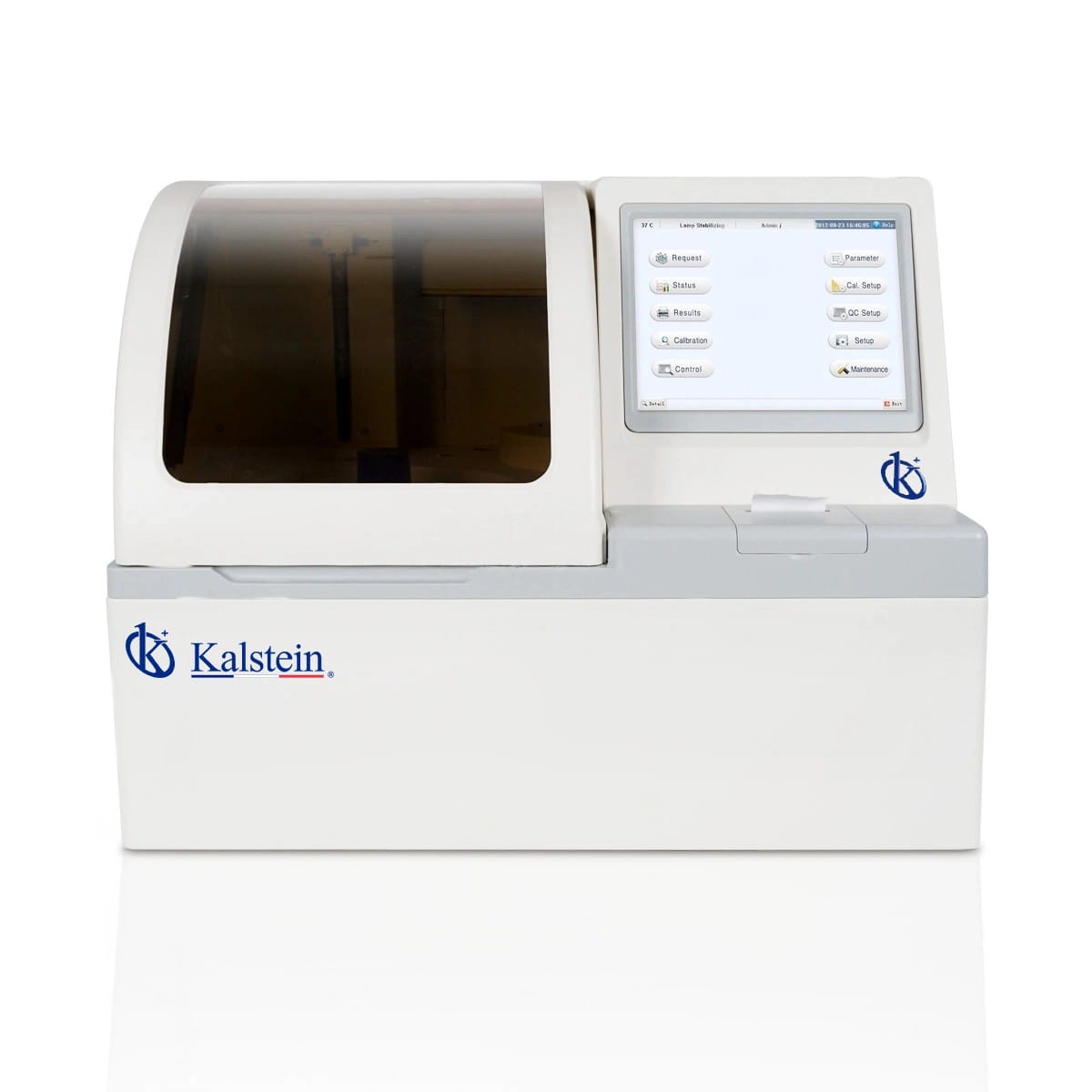
Veterinary Chemistry Analyzers: Common Mistakes and How to Avoid Them in Daily Operation 2026
What is it used for in 2026
Veterinary Chemistry Analyzers play a crucial role in the veterinary field, allowing for the rapid and accurate analysis of biochemical substances in animal samples. They are essential for diagnosing diseases, monitoring health, and guiding treatment decisions in various animal species.
History and evolution of the technology
The evolution of Veterinary Chemistry Analyzers has been marked by significant technological advancements. From early manual methods to modern automated systems, these analyzers have transformed veterinary diagnostics. They now offer features such as multiple test panels, higher throughput, and ease of use, making them indispensable in veterinary practices.
How to use it step by step
Using a Veterinary Chemistry Analyzer involves several steps:
- Prepare the sample by collecting blood or other biological fluids.
- Calibrate the analyzer according to the manufacturer's instructions.
- Load the sample into the analyzer.
- Select the appropriate test panel based on the animal species and clinical indications.
- Review the results post-analysis for accuracy and clinical relevance.
Best techniques and protocols
Implementing best practices is essential for achieving reliable results. Key techniques include:
- Regular calibration and validation of the equipment.
- Using control samples to monitor the accuracy of the tests.
- Following established protocols for sample handling and processing.
- Training staff on the correct operation of the analyzer.
Practical applications by laboratory type
Different types of laboratories utilize Veterinary Chemistry Analyzers for various applications:
- Private Veterinary Clinics: Routine health checks, emergency diagnostics.
- Research Laboratories: Studies on animal health, drug testing.
- Universities: Educational purposes, student training.
- Animal Shelters: Disease screening and health assessments.
Regulations, standards and certifications
Veterinary Chemistry Analyzers must adhere to various regulations and standards to ensure safety and efficacy. Regulatory bodies require compliance with quality management systems such as ISO 9001, along with specific veterinary regulations. Certifications may include CE marks and FDA approvals, which denote that the equipment meets necessary safety and performance standards.
Comparison with alternative technologies
When choosing a Veterinary Chemistry Analyzer, it's important to understand how it compares to alternative technologies, such as:
- Manual testing methods: Generally slower and less accurate.
- Point-of-care devices: Portable but may lack comprehensive testing capabilities.
- Other automated systems: Vary in throughput and range of tests offered.
Comparison of available models
| Model | Best for | Key specs | Recommended use case |
|---|---|---|---|
| YR06168 | High-throughput veterinary analysis | 100 tests/hour, 8 preset animal configurations | Busy veterinary practices needing rapid results |
| YR06169 | Field testing and portability | 100ul sample size, 16 results in 10 minutes | Veterinarians working in remote areas |
| YR06172 | Immunofluorescence testing | 7-inch touch screen, 10,000 image storage | Specialized testing for infectious diseases |
| YR06174 | Blood gas analysis | Multi-parameter testing, touchscreen interface | ICU settings and emergency diagnostics |
| YR06077 | Comprehensive biochemical analysis | 34 fixed tests, bicromator optical system | Routine veterinary chemistry labs |
Common mistakes and how to avoid them
In daily operations, common mistakes include:
- Improper sample handling leading to contamination or degradation.
- Failure to calibrate and validate instruments regularly.
- Incorrect selection of test panels, affecting diagnostic accuracy.
- Neglecting to maintain equipment, which may lead to failures.
To avoid these pitfalls, implement standard operating procedures, provide staff training, and establish a routine maintenance schedule.
Maintenance, calibration and good practices 2026
Maintaining Veterinary Chemistry Analyzers is critical for performance. Recommended practices include:
- Regular cleaning and inspection of the equipment.
- Calibration with standardized solutions to ensure accurate readings.
- Documentation of all maintenance activities for traceability.
- Training staff on troubleshooting and basic maintenance techniques.
Cost-benefit analysis 2026
When investing in Veterinary Chemistry Analyzers, consider the cost versus benefits. Factors include:
- Initial cost of the analyzer and consumables.
- Time saved through automated analysis versus manual methods.
- Increased accuracy and reliability, leading to better patient outcomes.
- Potential for expanded service offerings and increased revenue.
Frequently asked questions
What should I consider when choosing a Veterinary Chemistry Analyzer?
Consider factors such as the analyzer's throughput capacity, the variety of tests it can perform, ease of use, and service support provided by the manufacturer.
How often should I calibrate my analyzer?
Calibration frequency depends on usage, but it is recommended to calibrate at least once a month or whenever there is a change in test reagents or environmental conditions.
Can Veterinary Chemistry Analyzers be used for all animal types?
Many analyzers are designed to accommodate various animal species, but it is essential to check the specifications and capabilities for specific tests related to each species.
What are the common troubleshooting steps?
Common troubleshooting steps include checking power supply, ensuring proper sample size, verifying reagent status, and reviewing calibration settings.
How does maintenance affect the analyzer's performance?
Regular maintenance ensures that the analyzer operates at optimal levels, reduces the risk of errors, and prolongs the lifespan of the equipment.
What should I do if the results seem inaccurate?
If results appear inaccurate, check for proper calibration, ensure samples are handled correctly, and verify that reagents are not expired. Repeating the test can also help confirm results.
Where can I request a quote for a Veterinary Chemistry Analyzer?
You can request a quote on Kalstein Plus.
If you are looking for a fusion of innovation and quality, you have come to the right place. At Kalstein, we offer you the luxury of exploring our exclusive catalog of laboratory equipment. We manufacture every device to the highest standards of excellence. Our intuitive and seamless online purchasing channels are designed for your convenience, securing the most competitive prices. Hesitate no longer — we bring science to life, it is time to become part of our community.