Vertical Laminar Flow Clean Benches: Practical Applications in 2026
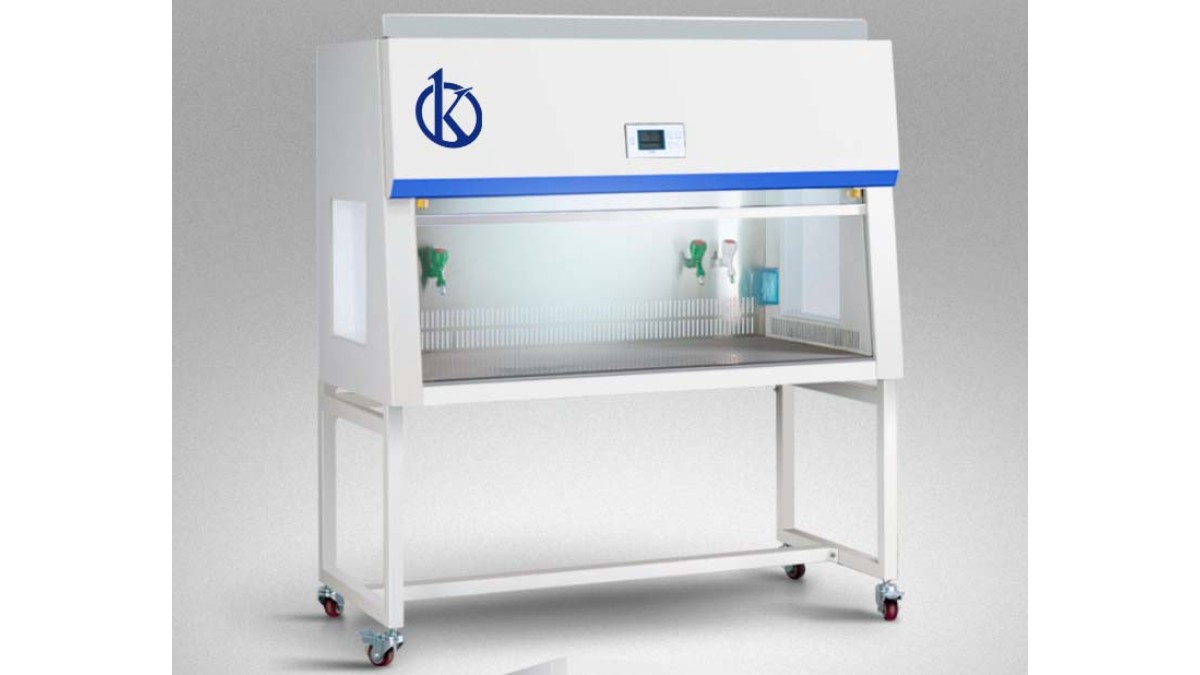
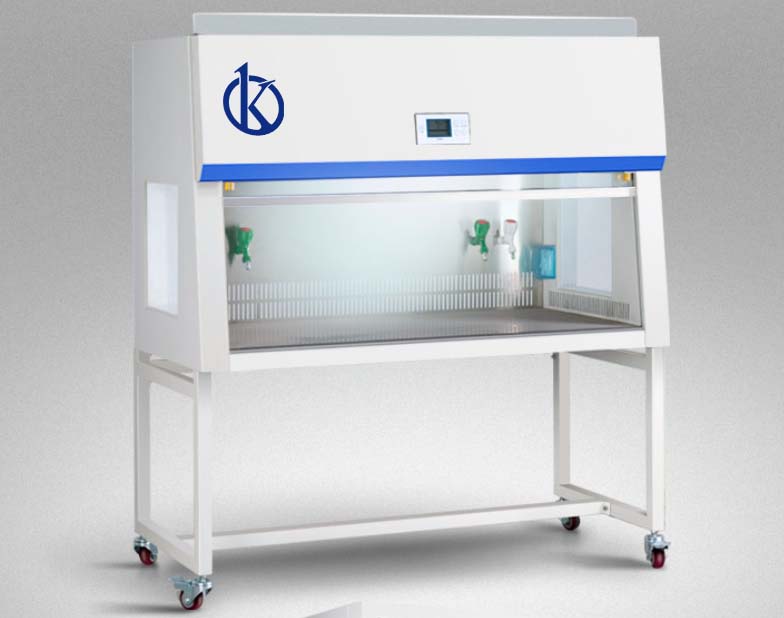
Vertical Laminar Flow Clean Benches are essential pieces of equipment in modern laboratories, designed to provide a sterile environment for sensitive procedures. They are widely used in both clinical and hospital settings, serving as vital support for various applications, from medical research to pharmaceutical manufacturing. This article will explore the practical applications, usage techniques, and best practices associated with these clean benches in 2026.
What is it used for in 2026
In 2026, Vertical Laminar Flow Clean Benches are primarily used to protect sterile materials from contamination during various laboratory processes. Their applications span across several fields, including:
- Biotechnology: Culturing cells, handling biological samples.
- Pharmaceuticals: Preparing sterile drug formulations.
- Microbiology: Conducting experiments requiring aseptic conditions.
- Electronics: Protecting sensitive components during assembly.
- Food Safety: Ensuring contamination-free environments for food testing.
Utilizing these clean benches effectively enhances the reliability of experimental results, ensuring that laboratory workflows adhere to the highest standards of quality and precision.
History and evolution of the technology
The concept of laminar flow technology dates back to the mid-20th century, initially developed to create sterile environments for surgical procedures and laboratory work. Over the years, advancements in filtering technology and airflow dynamics have improved laminar flow clean benches significantly. In the 1970s, the introduction of HEPA filters revolutionized the industry, allowing for higher levels of air purification. By 2026, these clean benches have evolved to incorporate digital controls, enhanced user interfaces, and more efficient designs that meet the increasing demands of modern laboratories.
How to use it step by step
Using a Vertical Laminar Flow Clean Bench involves several steps to ensure optimal performance and safety:
- Preparation: Ensure the workspace is clean and free of clutter before using the clean bench.
- Power On: Turn on the clean bench and allow it to run for a few minutes to reach optimal airflow conditions.
- Setup: Arrange all necessary materials and equipment inside the clean bench, maintaining a sterile technique.
- Conduct Work: Perform your procedures, ensuring no direct contact with the airflow zone.
- Post-Use Cleaning: After completing your work, clean the surfaces inside the clean bench to maintain sterility.
Following these steps will help ensure that your laboratory work is carried out in a safe and controlled environment.
Best techniques and protocols
To maximize the efficacy of Vertical Laminar Flow Clean Benches, laboratory professionals should adhere to specific techniques and protocols:
- Maintain Equipment: Regularly check filters and airflow rates to ensure compliance with clean standards.
- Minimize Movement: Limit unnecessary movements and avoid blocking the airflow during work to maintain sterility.
- Wear Proper Attire: Utilize appropriate lab coats, gloves, and masks to reduce contamination risks.
- Use Sterile Tools: Always employ sterilized instruments and consumables to preserve the integrity of your work.
Implementing these approaches will help enhance the reliability of laboratory results.
Practical applications by laboratory type
Vertical Laminar Flow Clean Benches are utilized in a variety of laboratory types, each with distinct applications:
- Clinical Laboratories: For microbiological cultures and sample testing.
- Research Laboratories: To protect sensitive biological materials and experiments.
- Pharmaceutical Facilities: For drug formulation and quality control tests.
- Food and Beverage Testing: Ensuring a sterile environment for food safety analysis.
The versatility of these benches allows them to adapt to the specific needs of different laboratory environments, making them indispensable tools in scientific research and production.
Regulations, standards and certifications
In 2026, compliance with regulations and standards is imperative for laboratories utilizing Vertical Laminar Flow Clean Benches. Some key standards include:
- ISO 14644: Standards for cleanroom and controlled environments.
- US Federal Standard 209E: Specifications for cleanroom classifications.
- Good Manufacturing Practices (GMP): Guidelines for proper design, monitoring, and control of manufacturing processes.
Adhering to these regulations ensures that laboratories maintain high standards of cleanliness and are prepared for inspections and audits.
Comparison with alternative technologies
While Vertical Laminar Flow Clean Benches provide an effective means of maintaining sterile environments, alternative technologies also exist. Some of these include:
- Biological Safety Cabinets: Provide protection for the user, product, and environment, ideal for handling hazardous materials.
- Fume Hoods: Primarily designed to exhaust toxic fumes and vapors, not for maintaining sterile conditions.
- Laminar Airflow Systems: Used in larger settings for broader airflow management, but may lack targeted sterility.
Each technology has its advantages and limitations, making the selection process dependent on specific laboratory needs and requirements.
Comparison of available models
| Model | Best for | Key specs | Recommended use case |
|---|---|---|---|
| YR05267-1 | Double-person operation | Clean class ISO 5, 99.99% efficiency | Applications in biotechnology and pharmaceuticals |
| YR05734 | Small experiments | Class 100, suitable for microbiology | Research conditions and small culturing tasks |
| YR05735 | Small experiments | Class 100, efficient airflow | Microbiology and clean sample handling |
| YR05736 | General laboratory use | Class 100, easy-to-use interface | Routine laboratory procedures |
| YR05737 | General lab work | Class 100, advanced control options | Quality control tests in pharmaceuticals |
| YR05738 | Versatile laboratory tasks | Class 100, stainless steel surface | Food safety and chemical experiments |
Common mistakes and how to avoid them
Laboratory professionals often face challenges when using Vertical Laminar Flow Clean Benches. Some common mistakes include:
- Overcrowding the bench: Avoid placing too many items inside the clean bench, as this can obstruct airflow and compromise sterility.
- Neglecting routine maintenance: Regular checks on filters and equipment prevent malfunctions and ensure optimal performance.
- Improper use of personal protective equipment (PPE): Always wear appropriate lab attire to minimize contamination risks.
- Not following protocols: Adhering strictly to standard operating procedures is essential for maintaining a sterile environment.
Avoiding these pitfalls will enhance the effectiveness of clean bench use and improve laboratory safety.
Maintenance, calibration and good practices 2026
Proper maintenance and calibration of Vertical Laminar Flow Clean Benches are crucial for ensuring longevity and performance:
- Regular Filter Changes: Follow manufacturer guidelines for replacing HEPA filters to maintain filtration efficiency.
- Calibration: Regularly calibrate airflow speed and other parameters to maintain precision.
- Daily Cleaning: Establish a routine cleaning schedule to keep surfaces contaminant-free.
- Training: Ensure all users are trained in proper usage protocols and maintenance tasks.
Implementing these practices will prolong the life of the clean benches and ensure consistent performance in laboratory workflows.
Cost-benefit analysis 2026
When considering the acquisition of Vertical Laminar Flow Clean Benches, a thorough cost-benefit analysis is essential:
- Initial Investment: Evaluate the upfront costs of purchasing and installing the clean benches.
- Operational Costs: Consider ongoing expenses such as energy consumption, maintenance, and filter replacements.
- Benefits: Assess the potential for improved product quality, reduced contamination risks, and enhanced regulatory compliance.
Ultimately, the return on investment can be significant when clean benches contribute to higher quality outputs and more efficient laboratory processes.
Frequently asked questions
What are the primary uses of a Vertical Laminar Flow Clean Bench?
Vertical Laminar Flow Clean Benches are primarily used for creating a sterile environment necessary for microbiological research, pharmaceutical preparations, and handling sensitive electronic components.
How often should the filters in a clean bench be replaced?
Filters should be replaced according to manufacturer recommendations, but typically every 6-12 months, depending on the usage and laboratory conditions.
What precautions should I take when using a clean bench?
Always wear appropriate PPE, avoid overcrowding the bench, and follow established protocols to maintain the sterile environment.
Can I use a clean bench for hazardous materials?
No, Vertical Laminar Flow Clean Benches are not designed for handling hazardous materials. Biological Safety Cabinets are recommended for that purpose.
How do I maintain a clean bench for optimal performance?
Regular maintenance includes cleaning surfaces, replacing filters, calibrating airflow, and ensuring that all users are trained in proper protocols.
What is the difference between a laminar flow cabinet and a fume hood?
A laminar flow cabinet is designed to protect the samples from contamination, while a fume hood is intended to protect the user from harmful fumes and vapors.
Where can I request a quote for a clean bench?
You can request a quote for a clean bench directly from Kalstein, where you can find a range of quality laboratory equipment.
If you are looking for a fusion of innovation and quality, you have come to the right place. At Kalstein, we offer you the luxury of exploring our exclusive catalog of laboratory equipment. We manufacture every device to the highest standards of excellence. Our intuitive and seamless online purchasing channels are designed for your convenience, securing the most competitive prices. Hesitate no longer — we bring science to life, it is time to become part of our community.