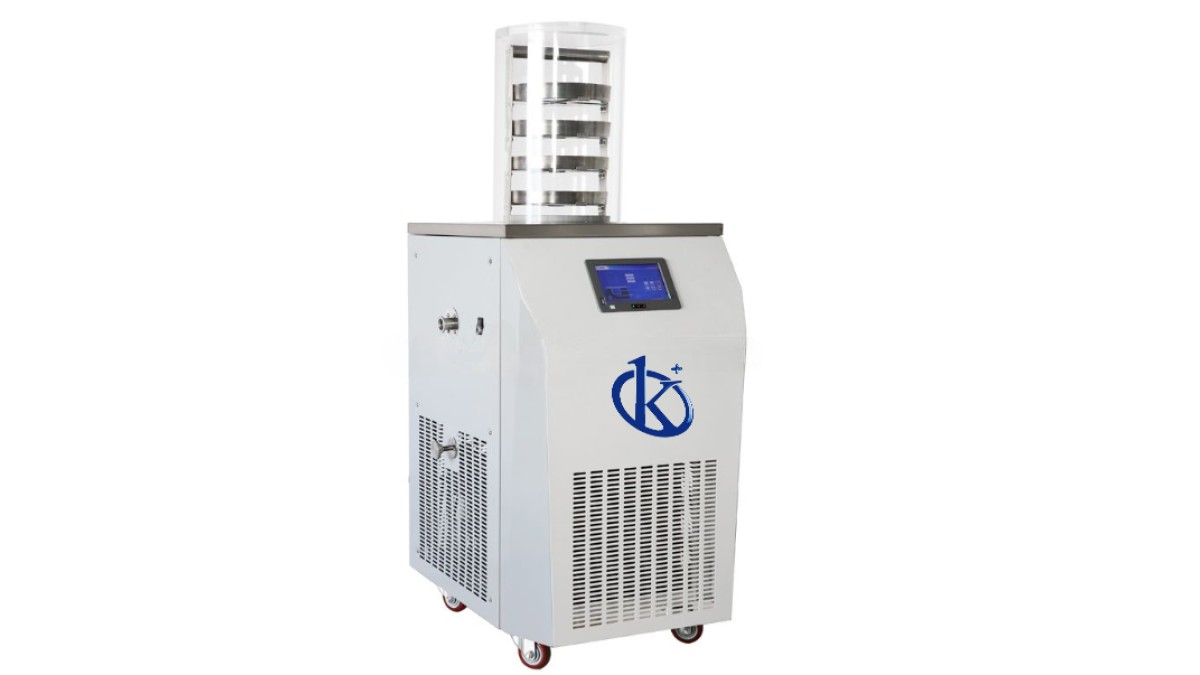
Vertical Laboratory Freeze Dryers: Common Mistakes and How to Avoid Them 2026
What is it used for in 2026
Vertical laboratory freeze dryers are essential in various sectors such as medicine, pharmacy, biological research, chemistry, and food processing. They facilitate the preservation of materials by removing moisture under low pressure, allowing for long-term storage without compromising the biochemical characteristics of the products. In laboratories, freeze dryers help retain the efficacy of pharmaceuticals, maintain the integrity of biological samples, and prepare food products for extended shelf life.
History and evolution of the technology
The technology of freeze drying has evolved significantly since its inception. Initially developed in the early 20th century, the process aimed at extending the shelf life of blood plasma and other biological materials. Over the decades, advancements in vacuum technology, refrigeration, and automation have transformed freeze dryers into sophisticated laboratory instruments. By 2026, these devices are equipped with enhanced features to improve efficiency, reduce user error, and provide better control over the drying process.
How to use it step by step
Using a vertical laboratory freeze dryer involves several crucial steps to ensure optimal results:
- Preparation: Ensure that the freeze dryer is clean and properly calibrated. Prepare the samples by placing them in suitable containers.
- Loading: Load the samples into the freeze dryer, ensuring they are positioned correctly to allow for maximum airflow.
- Setting Parameters: Set the desired parameters such as temperature and vacuum levels according to the sample requirements.
- Initiating the Process: Start the freeze drying cycle and monitor the process closely.
- Completion: Once the process is complete, carefully remove the samples and store them properly.
Best techniques and protocols
To maximize the effectiveness of freeze drying, it is important to follow best practices. Using pre-freezing techniques, ensuring uniform sample placement, and maintaining optimal vacuum conditions are crucial. Protocols should also specify sample thickness and moisture content to ensure a thorough drying process.
Practical applications by laboratory type
Different laboratories utilize freeze dryers for various applications:
- Pharmaceutical Labs: Used for preserving sensitive compounds and vaccines.
- Biological Research: Ideal for preserving cellular materials and tissues.
- Chemical Laboratories: Employed to stabilize chemical compounds that are sensitive to heat.
- Food Processing: Used to create lightweight, shelf-stable products.
Regulations, standards and certifications
The use of freeze dryers must comply with various regulations and standards such as FDA in the US and EMA in Europe. Laboratories should ensure that their equipment is certified and adheres to Good Manufacturing Practices (GMP) to maintain quality and safety.
Comparison with alternative technologies
While freeze drying is highly effective, there are alternative methods such as spray drying and air drying. Freeze drying is preferable when quality retention is critical, whereas other methods may be faster but can compromise the integrity of sensitive materials.
Comparison of available models
| Model | Best for | Key specs | Recommended use case |
|---|---|---|---|
| YR05198 | Routine laboratory freeze drying | 0.18m² area, 6 kg/24h water capture, -40 ~ +60°C storage | General pharmaceuticals and biological samples |
| YR05199 | Advanced laboratory freeze drying | 0.09m² area, 6 kg/24h water capture, 1800w power | Complex formulations requiring precise control |
| YR05200 | Large volume applications | 0.18m² area, 6 kg/24h water capture, -40 ~ +60°C storage | High-throughput laboratories needing efficiency |
| YR05201 | Customizable laboratory needs | 0.09m² area, 6 kg/24h water capture, 1800w power | Research environments requiring flexible setups |
| YR05985-1 | Food processing and preservation | 0.7m² area, -55°C ~ +70°C shelf temperature, ≥10 kg/24h | Drying fruits and vegetables |
| YR05985-2 | Industrial scale freeze drying | 1.04m² area, -55°C ~ +70°C shelf temperature, ≥15 kg/24h | High-volume production of freeze-dried products |
Common mistakes and how to avoid them
Common mistakes in operating freeze dryers include:
- Incorrect sample preparation: Ensure samples are adequately pre-frozen before loading.
- Poor sealing of containers: Use appropriate containers to avoid moisture ingress during the process.
- Improper setting of parameters: Always calibrate the machine and set the right parameters according to the sample type.
- Neglecting maintenance: Regularly check and maintain the freeze dryer to ensure optimal performance.
Maintenance, calibration and good practices 2026
Regular maintenance and calibration of freeze dryers are essential for their longevity and efficiency. Follow the manufacturer's recommendations for maintenance schedules. Good laboratory practices should include keeping the drying chamber clean, checking for vacuum leaks, and ensuring all components are functioning as intended.
Cost-benefit analysis 2026
Investing in a vertical laboratory freeze dryer offers substantial benefits, particularly in preserving high-value materials. While the initial cost may be significant, the long-term savings from reduced waste and increased product shelf-life can provide a favorable return on investment, making it a wise choice for laboratories focused on quality and efficiency.
Frequently asked questions
What should I consider when selecting a freeze dryer?
Consider the specific applications you need, the volume of samples to be processed, and the budget available. Assess the drying capacity, temperature ranges, and the technology used in the freeze dryer.
How do I ensure optimal performance of a freeze dryer?
Regular maintenance, proper calibration, and following best practices in sample preparation and loading will ensure the optimal performance of your freeze dryer.
Can freeze dryers be used for all types of samples?
While freeze dryers are versatile, some samples may not be suitable. Always refer to the manufacturer’s guidelines regarding sample compatibility.
How long does the freeze drying process take?
The duration depends on the type and volume of the sample, as well as the specific settings of the freeze dryer. Typically, it can range from several hours to a few days.
What is the best way to store freeze-dried products?
Store freeze-dried products in sealed containers in a cool, dark place to maximize their shelf life and maintain their quality.
Are there safety precautions to consider when using a freeze dryer?
Yes, always ensure proper ventilation, handle samples with care, and follow the manufacturer's safety guidelines to prevent accidents.
How can I request a quote for a freeze dryer?
You can easily request a quote by contacting our sales team or visiting our online platform for detailed options.
If you are looking for a fusion of innovation and quality, you have come to the right place. At Kalstein, we offer you the luxury of exploring our exclusive catalog of laboratory equipment. We manufacture every device to the highest standards of excellence. Our intuitive and seamless online purchasing channels are designed for your convenience, securing the most competitive prices. Hesitate no longer — we bring science to life, it is time to become part of our community.