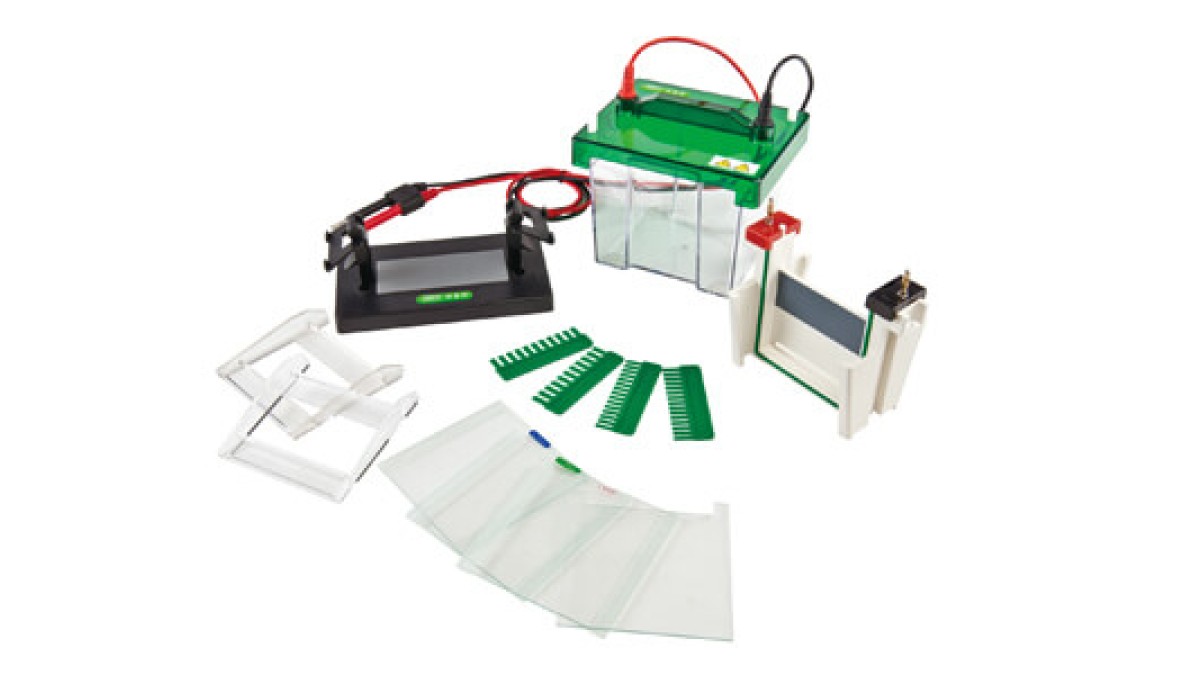
Vertical Electrophoresis: Common Mistakes and How to Avoid Them in Daily Operation 2026
What is it used for in 2026
Vertical electrophoresis is primarily utilized in laboratories for the separation and analysis of proteins. This technique allows researchers to separate proteins based on their size and charge, making it essential for various applications in molecular biology, biochemistry, and clinical diagnostics. As the demand for precise protein analysis continues to grow, the relevance of vertical electrophoresis in research and clinical settings becomes increasingly significant.
History and evolution of the technology
The evolution of electrophoresis dates back to the early 20th century when it was first used to separate proteins. Initially, the process was based on simple gel methods. Over the years, advancements in technology have led to the development of vertical electrophoresis systems that offer enhanced resolution and faster results. Today's vertical electrophoresis units are designed for higher throughput, greater reproducibility, and user-friendly interfaces, catering to the evolving needs of laboratory professionals.
How to use it step by step
Using vertical electrophoresis involves several key steps:
- Sample Preparation: Prepare your protein samples by denaturing them if required.
- Gel Casting: Prepare the gel solution and cast it into the vertical apparatus using the appropriate molds.
- Loading Samples: Load the prepared samples into the wells of the gel, ensuring not to overload them.
- Running the Gel: Connect the apparatus to a power supply and run the gel at a suitable voltage.
- Staining and Visualization: After the run, stain the gel to visualize the separated proteins.
- Analysis: Analyze the results using imaging software or manually by comparing with standards.
Best techniques and protocols
To achieve optimal results in vertical electrophoresis, consider the following techniques and protocols:
- Use high-quality reagents and ensure they are fresh.
- Optimize the gel composition based on the protein sizes being separated.
- Maintain consistent temperature during the electrophoresis run to prevent heat-related artifacts.
- Use appropriate markers and controls to verify results.
Practical applications by laboratory type
Vertical electrophoresis finds applications across various laboratory types:
- Research Laboratories: Used for protein characterization and analysis in studies.
- Clinical Laboratories: Employed in diagnostics for separating serum proteins and identifying abnormalities.
- Biotechnology Companies: Essential for quality control and product development processes involving protein products.
Regulations, standards and certifications
Laboratories utilizing vertical electrophoresis must adhere to specific regulations and standards to ensure safety and reliability, including:
- ISO/IEC 17025 for laboratory competence.
- Compliance with Good Laboratory Practices (GLP).
- Following manufacturer guidelines for equipment usage and maintenance.
Comparison with alternative technologies
Compared to other techniques such as horizontal electrophoresis and capillary electrophoresis, vertical electrophoresis offers several advantages:
- Higher resolution for protein separation.
- Greater capacity for sample loading.
- More efficient for complex mixtures of proteins.
Comparison of available models
| Model | Best for | Key specs | Recommended use case |
|---|---|---|---|
| YR03425 | Small scale protein separation | Net weight: 1.8Kg, Dimensions: 150x120x115mm | Ideal for academic research on protein characterization. |
| YR03426 | Multiple gel casting | Net weight: 2.3Kg, Dimensions: 220x170x120mm | Perfect for labs requiring high throughput with multiple samples. |
| YR03427 | High sample volume | Net weight: 2.7Kg, Dimensions: 175x175x100mm | Great for clinical applications with high sample throughput. |
| YR03428 | Large gel sizes | Net weight: 2.9Kg, Dimensions: 280x140x135mm | Suitable for extensive protein profiling studies. |
| YR03429 | Enhanced resolution | Net weight: 5.7Kg, Dimensions: 280x140x250mm | Best for labs focused on detailed protein analysis. |
| YR03430 | Rapid results | Net weight: 2.2Kg, Dimensions: 280x140x136mm | Ideal for labs needing quick turnaround times on protein analysis. |
Common mistakes and how to avoid them
Several common mistakes can occur during the use of vertical electrophoresis:
- Overloading the gel: Always adhere to recommended sample volumes to avoid distortion of results.
- Inconsistent gel casting: Ensure uniform gel thickness for reproducibility.
- Neglecting buffer conditions: Always check and maintain the integrity of running buffers.
- Improper staining techniques: Follow staining protocols precisely to achieve clear results.
Maintenance, calibration and good practices 2026
To ensure longevity and performance of vertical electrophoresis units:
- Regularly clean the apparatus according to the manufacturer's instructions.
- Calibrate the power supply and check for proper functioning.
- Store gels properly to avoid contamination and degradation.
Cost-benefit analysis 2026
Investing in vertical electrophoresis can yield significant benefits for laboratories:
- High-resolution results justify operational costs.
- Increased throughput can lead to higher productivity, offsetting initial equipment costs.
- Reliable results help in making critical decisions in research and clinical settings.
Frequently asked questions
What is the difference between vertical and horizontal electrophoresis?
Vertical electrophoresis is primarily used for protein separation, while horizontal electrophoresis is typically used for nucleic acids. Vertical systems offer better resolution for proteins due to their design.
How often should I calibrate my vertical electrophoresis system?
Calibration should be performed regularly, ideally before significant experiments or whenever you notice inconsistencies in results.
Can vertical electrophoresis be used for DNA analysis?
While vertical electrophoresis is not the primary choice for DNA analysis, it can be used in certain applications where protein interaction with DNA is studied.
What are the best practices for gel preparation?
Best practices include using fresh reagents, measuring components accurately, and ensuring a uniform gel thickness for reproducibility.
How can I improve my protein separation results?
Optimizing sample loading, using appropriate buffer systems, and ensuring consistent temperature during the run can significantly enhance results.
Is there a way to automate vertical electrophoresis?
Some modern vertical electrophoresis systems come with automated features that assist in gel casting and running, improving reproducibility and efficiency.
Where can I request a quote for electrophoresis equipment?
You can request a quote through our dedicated online channels, where we provide competitive pricing and tailored solutions for your laboratory needs.
If you are looking for a fusion of innovation and quality, you have come to the right place. At Kalstein, we offer you the luxury of exploring our exclusive catalog of laboratory equipment. We manufacture every device to the highest standards of excellence. Our intuitive and seamless online purchasing channels are designed for your convenience, securing the most competitive prices. Hesitate no longer — we bring science to life, it is time to become part of our community.