Vacuum Ovens: Understanding Usage and Techniques in 2026
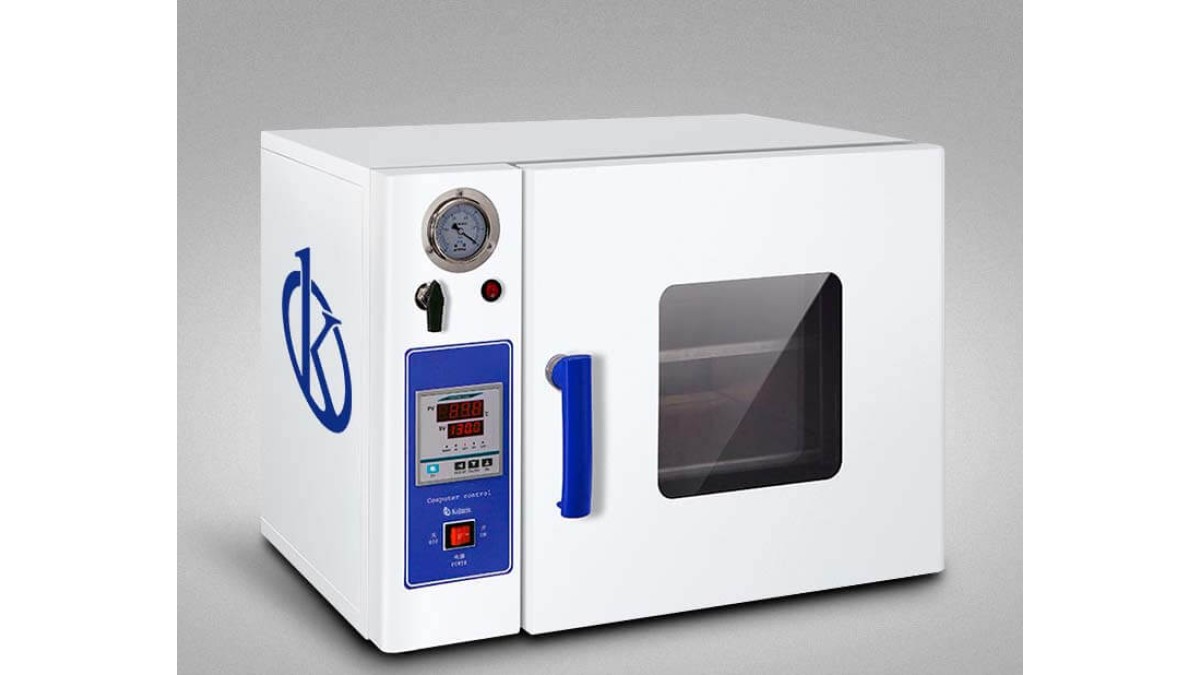
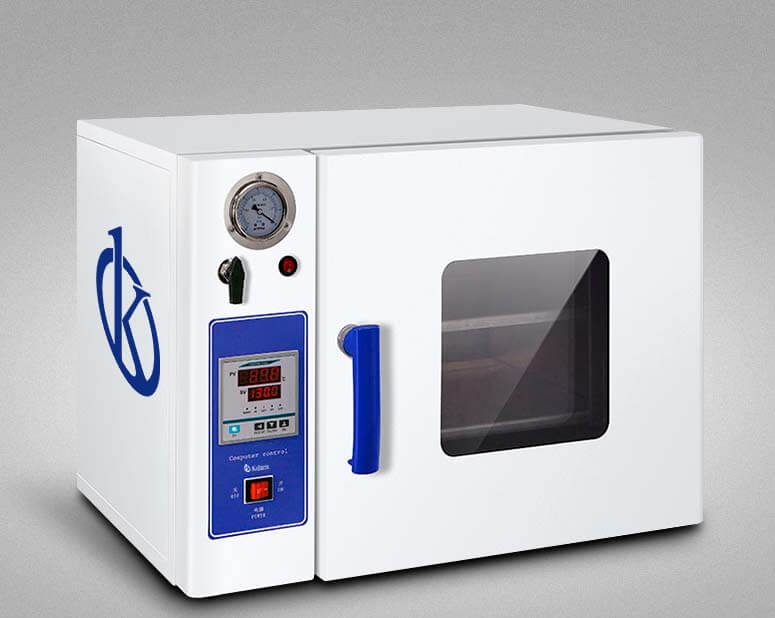
Vacuum ovens are essential tools in various laboratory settings, particularly for tasks involving drying, sterilization, and other applications that require a controlled environment. In 2026, the techniques and protocols surrounding these ovens have evolved significantly, providing professionals with enhanced capabilities and efficiencies.
What is it used for in 2026
In 2026, vacuum ovens are primarily used for drying heat-sensitive materials, sterilizing glassware, and preparing samples in fields such as biochemistry, pharmaceuticals, and agriculture. They allow for the rapid evaporation of solvents at lower temperatures, making them perfect for sensitive substances that may degrade or decompose at higher heat levels. Additionally, vacuum ovens are useful in the disinfection and depyrogenation processes, ensuring that laboratory environments remain clean and safe.
History and evolution of the technology
The history of vacuum ovens dates back to the early 20th century. Initially designed for simple drying tasks, vacuum ovens have undergone substantial technological advancements. Over the decades, improvements in materials and temperature control mechanisms have led to better precision and reliability. The introduction of digital controls and advanced vacuum technologies in the 21st century has revolutionized the capabilities of these ovens, allowing for more efficient workflows and enhanced user experiences.
How to use it step by step
Using a vacuum oven effectively requires following a systematic approach. Here’s a step-by-step guide:
- Preparation: Ensure that the vacuum oven is clean and free from any residual materials from previous uses.
- Loading: Place samples carefully inside the oven on the designated shelves, ensuring adequate space for air circulation.
- Setting Parameters: Program the desired temperature, time, and vacuum level according to your specific application.
- Evacuation: Activate the vacuum pump to remove air from the chamber, aiding in the drying process.
- Monitoring: Keep an eye on the parameters displayed on the control panel throughout the process.
- Completion: Once the process is complete, allow the oven to return to atmospheric pressure before opening the door.
- Unloading: Carefully remove the samples, taking necessary safety precautions if they have been heated.
Best techniques and protocols
As of 2026, several techniques and best practices are recommended for using vacuum ovens effectively. These include:
- Pre-Heating: Pre-heating the oven can reduce the time taken for the samples to reach the desired temperature.
- Sample Arrangement: Organizing samples based on size and material helps ensure uniform drying and processing.
- Vacuum Level Adjustments: Adjusting the vacuum level according to the material type can enhance drying efficiency.
- Routine Calibration: Regularly calibrating the oven maintains accuracy and reliability in temperature and vacuum settings.
Practical applications by laboratory type
Different laboratories utilize vacuum ovens for various applications. Here are some examples:
- Pharmaceutical Laboratories: Used for drying active ingredients and sterilizing equipment.
- Bioscience Laboratories: Essential for preparing sensitive biological samples without degradation.
- Environmental Laboratories: Used to dry soil and sediment samples for analysis.
Regulations, standards and certifications
Compliance with regulations and industry standards is crucial when using vacuum ovens. In 2026, laboratories must adhere to guidelines set by organizations such as the International Organization for Standardization (ISO) and Good Laboratory Practice (GLP) to ensure safety and quality assurance. Regular audits and certifications can help maintain compliance and uphold the highest standards of laboratory practices.
Comparison with alternative technologies
When comparing vacuum ovens to alternative drying technologies such as conventional ovens or freeze dryers, vacuum ovens offer several advantages:
- Lower Temperatures: They operate at lower temperatures, preserving sensitive compounds.
- Reduced Oxidation: The vacuum environment minimizes oxidation and chemical degradation.
- Faster Drying Times: The removal of air enhances drying efficiency.
However, it is essential to consider factors like initial cost and operational complexity when selecting the appropriate drying technology for specific applications.
Comparison of available models
| Model | Best for | Key specs | Recommended use case |
|---|---|---|---|
| YR05260-A | Heat-sensitive materials | Temperature range: RT + 5 ~ 250 °C, Power: 0.9 kW | Drying biological samples |
| YR05261-A | Pharmaceutical applications | Temperature range: RT + 5 ~ 250 °C, Power: 0.9 kW | Drying active ingredients |
| YR05262-SS | General laboratory use | Temperature range: RT + 5 ~ 250 °C, Power: 1.4 kW | Sterilizing glassware |
| YR05263-SS | Biological research | Temperature range: RT + 5 ~ 250 °C, Power: 1.4 kW | Preparing sensitive biological samples |
| YR05264-A | Agricultural research | Temperature range: RT + 5 ~ 250 °C, Power: 0.9 kW | Drying soil samples |
| YR05265-SS | Environmental analysis | Temperature range: RT + 5 ~ 250 °C, Power: 1.4 kW | Preparing sediment samples for analysis |
Common mistakes and how to avoid them
Here are some common mistakes made when using vacuum ovens and tips on how to avoid them:
- Overloading: Avoid overloading the oven, as it can impede airflow and affect drying efficiency.
- Incorrect Temperature Settings: Always double-check temperature settings to prevent sample degradation.
- Neglecting Calibration: Regularly calibrate the oven for consistent performance and accuracy.
Maintenance, calibration and good practices 2026
To ensure optimal performance of vacuum ovens, implement the following maintenance and calibration practices:
- Daily Cleaning: Clean the oven interior after each use to prevent cross-contamination.
- Regular Calibration: Calibrate temperature and vacuum levels monthly to maintain accuracy.
- Inspection of Seals: Check and replace seals regularly to maintain vacuum integrity.
Cost-benefit analysis 2026
When considering the investment in a vacuum oven, analyze the cost-benefit ratio based on application needs:
- Initial Investment: While the upfront cost may be high, the efficiency gains often justify the expense.
- Operational Savings: Reduced drying times and minimized sample degradation translate to cost savings in the long run.
- Extended Lifespan: With proper maintenance, vacuum ovens can last many years, providing excellent value.
Frequently asked questions
How do I choose the right vacuum oven for my laboratory?
Consider your specific applications, sample types, and required temperature ranges. Evaluate the models available and select one that aligns with your operational needs.
What are the key factors in operating a vacuum oven?
Pay attention to temperature settings, vacuum levels, and sample arrangement. Proper monitoring and adherence to protocols enhance performance and outcomes.
Can I dry heat-sensitive materials in a vacuum oven?
Yes, vacuum ovens are designed for heat-sensitive materials, allowing for effective drying at lower temperatures while preserving sample integrity.
How often should I calibrate my vacuum oven?
Monthly calibration is recommended to maintain the accuracy of temperature and vacuum settings, ensuring reliable results.
What maintenance practices should I follow?
Regular cleaning, calibration, and inspection of seals are crucial for maintaining the performance and longevity of your vacuum oven.
Are there any safety concerns when using vacuum ovens?
Always ensure proper ventilation, avoid opening the oven during operation, and handle heated samples carefully to prevent burns or injuries.
Where can I get a quote for vacuum ovens?
You can request a quote on Kalstein Plus, where you can find competitive pricing and a variety of models suited to your laboratory needs.
If you are looking for a fusion of innovation and quality, you have come to the right place. At Kalstein, we offer you the luxury of exploring our exclusive catalog of laboratory equipment. We manufacture every device to the highest standards of excellence. Our intuitive and seamless online purchasing channels are designed for your convenience, securing the most competitive prices. Hesitate no longer — we bring science to life, it is time to become part of our community.