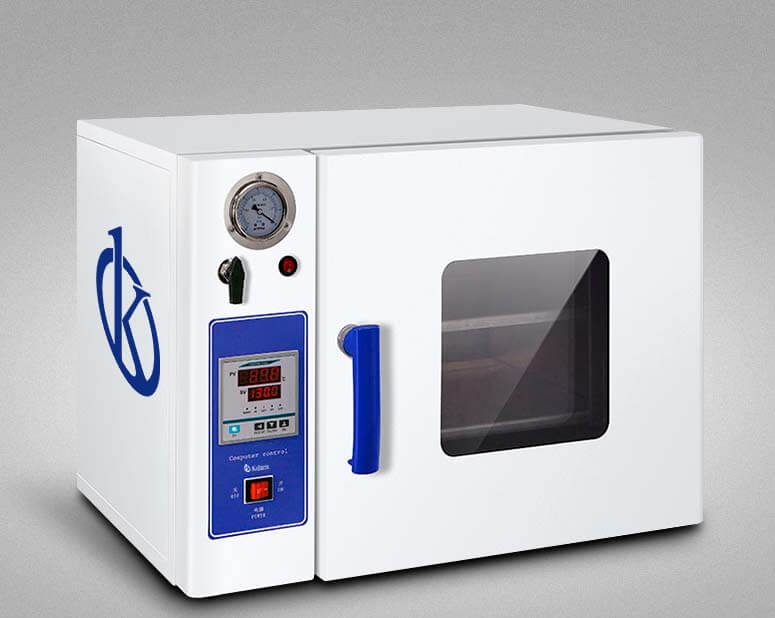
Vacuum Ovens: Integrating with LIMS and Data Flow Digitalization 2026
As laboratories increasingly adopt automation and digital solutions, the integration of Vacuum Ovens with Laboratory Information Management Systems (LIMS) has become paramount. This article delves into the various models of vacuum ovens, including the YR05260-A, YR05261-A, YR05262-SS, YR05263-SS, YR05264-A, and YR05265-SS, focusing on how they facilitate efficient data management and operational workflows.
Understanding Vacuum Ovens in the Context of LIMS Integration
Vacuum ovens are essential for drying, sterilizing, and decontaminating various laboratory materials without the risk of oxidation or thermal damage. Each model, including the YR05260-A and YR05265-SS, provides specific capabilities that can be seamlessly integrated into a laboratory's LIMS. This integration allows for real-time data transfer, enhancing traceability and compliance with regulatory standards.
Key Features of Vacuum Ovens Supporting LIMS Integration
The compatibility of vacuum ovens with LIMS can streamline laboratory processes significantly. Features such as temperature monitoring, timer settings, and vacuum level adjustments can be programmed to automatically log data into the LIMS. Such automation minimizes human error and optimizes workflow efficiency.
Benefits of Digital Data Management in Laboratory Settings
Digital data management allows laboratories to maintain comprehensive records of experiments, ensuring data integrity and facilitating easier access to information. With models like the YR05261-A, laboratories can expect improved compliance with guidelines such as ISO/IEC standards, crucial for maintaining accreditation.
Comparative Analysis of Vacuum Oven Models for LIMS Integration
| Model | Temperature Range (°C) | Vacuum Degree (Pa) | Best for |
|---|---|---|---|
| YR05260-A | RT + 5 to 250 | < 133 | Heat-sensitive materials |
| YR05261-A | RT + 5 to 250 | < 133 | Complex material compositions |
| YR05262-SS | RT + 5 to 250 | < 133 | Oxidizable materials |
| YR05263-SS | RT + 5 to 250 | < 133 | Porous samples post-cleaning |
| YR05264-A | RT + 5 to 250 | < 133 | Fast drying requirements |
| YR05265-SS | RT + 5 to 250 | < 133 | Environmental research applications |
Common Mistakes and How to Avoid Them
When integrating vacuum ovens into a LIMS, laboratories often overlook the importance of proper training for staff on both the equipment and the management system. Misconfigurations can lead to data entry errors. It is essential to ensure that all users are familiar with the operational protocols of the vacuum ovens, such as the YR05262-SS, to prevent discrepancies in data logging.
Frequently Asked Questions
What are the benefits of using vacuum ovens integrated with LIMS in 2026?
Integrating vacuum ovens like the YR05264-A with LIMS enhances workflow efficiency, improves data accuracy, and ensures compliance with regulatory standards. This integration allows for automated data logging and real-time temperature monitoring, reducing human error and streamlining laboratory operations.
How can I ensure my vacuum oven meets ISO compliance in 2026?
To ensure compliance with ISO standards, utilize models like the YR05263-SS, which provide precise temperature control and data logging features. Regular calibration and adherence to documented procedures are crucial for maintaining compliance and ensuring data integrity within a LIMS framework.
What LIMS protocols should I consider when using vacuum ovens?
When implementing vacuum ovens such as the YR05265-SS, consider using protocols like ASTM and HL7 for data integration. These protocols ensure compatibility and facilitate seamless communication between the oven and the LIMS, enhancing data accuracy and traceability.
How do vacuum ovens compare to alternative drying methods in 2026?
Vacuum ovens, such as the YR05260-A, provide advantages over conventional drying methods by preventing oxidation and preserving sensitive materials. Their ability to operate under controlled environments makes them ideal for complex applications compared to air or convection drying methods.
What is the energy consumption of vacuum ovens integrated with LIMS?
The energy consumption of vacuum ovens like the YR05261-A varies, but typically ranges from 0.9 to 1.4 kW. Integrating these ovens with LIMS can help monitor energy usage, optimize workflows, and provide insights into operational efficiency over time.
How can I improve data accuracy when using vacuum ovens?
Data accuracy can be improved by using vacuum ovens with automated logging features, such as the YR05262-SS. Ensuring staff is trained on LIMS features and regularly calibrating the oven will also enhance data integrity and reliability.
What should be included in a maintenance plan for vacuum ovens?
A maintenance plan for vacuum ovens, like the YR05264-A, should include regular cleaning schedules, calibration intervals, and performance checks. This proactive approach ensures optimal operation and extends the lifespan of the equipment while maintaining compliance with laboratory standards.
How can vacuum ovens facilitate research in environmental studies?
Vacuum ovens such as the YR05265-SS are particularly useful in environmental research for drying samples without introducing contaminants. Their integration with LIMS allows researchers to track and manage sample data effectively, ensuring accurate analysis and reporting.
If you are looking for a fusion of innovation and quality, you have come to the right place. At Kalstein, we offer you the luxury of exploring our exclusive catalog of laboratory equipment. We manufacture every device to the highest standards of excellence. Our intuitive and seamless online purchasing channels are designed for your convenience, securing the most competitive prices. Hesitate no longer — we bring science to life, it is time to become part of our community.