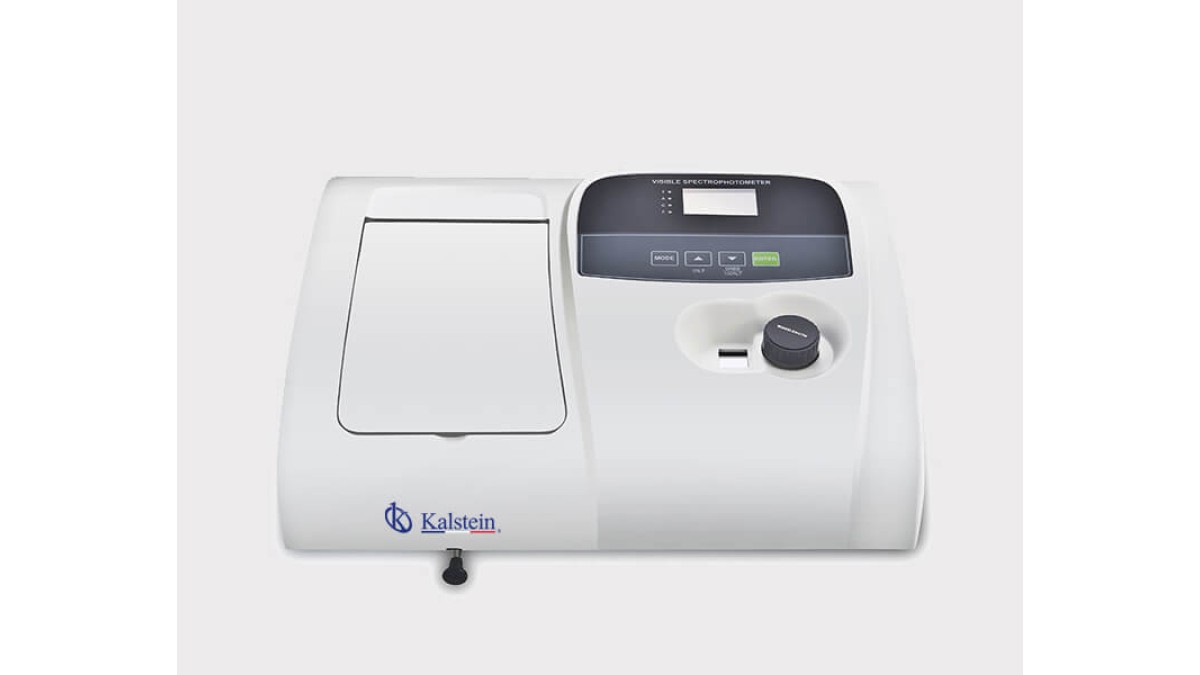
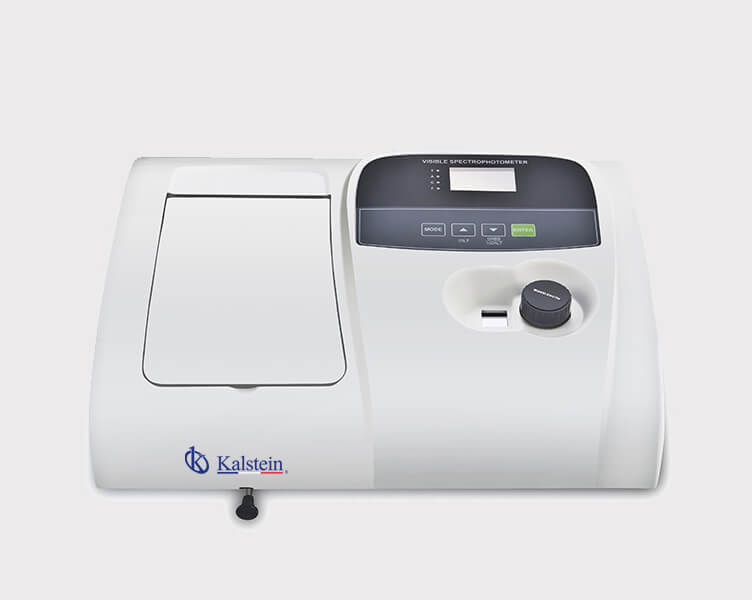
Unique Beam Spectrophotometers: Practical Applications and Techniques 2026
Unique beam spectrophotometers are essential instruments in modern laboratories, enabling precise measurements of light absorption across various wavelengths. They are instrumental in fields such as chemistry, biology, and environmental science, providing critical data for research and analysis. This article delves into their applications, historical evolution, and practical usage, focusing on the relevant best practices and techniques for 2026.
What is it used for in 2026
In 2026, unique beam spectrophotometers are utilized for an array of applications, including:
- Quantitative analysis of chemical substances based on light absorption.
- Determination of concentration levels in solutions, including unknown samples.
- Monitoring kinetic reactions through absorbance changes over time.
- Identifying and characterizing materials in various scientific fields.
- Quality control processes in pharmaceutical and food industries.
History and evolution of the technology
The development of spectrophotometry dates back to the 19th century, with significant advancements occurring throughout the 20th century. Initially, spectrophotometers were bulky and less accurate. Over the years, technological innovations have led to the miniaturization of devices, enhanced sensitivity, and improved wavelength accuracy. The transition from analog to digital systems revolutionized data collection and analysis, enabling researchers to achieve more precise results in laboratory settings.
How to use it step by step
Using a unique beam spectrophotometer involves several critical steps:
- Preparation: Ensure the spectrophotometer is calibrated and clean. Use standard solutions to check the accuracy.
- Sample Selection: Prepare samples that need to be analyzed, ensuring they are free from contaminants.
- Set Wavelength: Adjust the spectrophotometer to the desired wavelength for your analysis.
- Zero Calibration: Perform a zero adjustment using a blank sample (solvent without analytes).
- Measurement: Place the sample in the path of the beam and record the absorbance or transmittance values.
- Data Analysis: Interpret the results using appropriate software or manually, comparing against standard curves if necessary.
- Cleanup: Clean the optical path and store the equipment properly after use.
Best techniques and protocols
To optimize the performance of unique beam spectrophotometers, adhere to these best practices:
- Always use high-quality cuvettes to minimize light scattering and absorption errors.
- Calibrate the device regularly with known standards to ensure accuracy.
- Minimize the time samples are exposed to light to avoid photodegradation.
- Maintain a consistent temperature during measurements to enhance repeatability.
- Document all settings and results meticulously to track trends and reproducibility.
Practical applications by laboratory type
Different laboratories utilize unique beam spectrophotometers in diverse ways:
Chemical laboratories:
- For quantitative analysis of solutions and reaction kinetics.
Biological laboratories:
- For DNA, RNA, and protein concentration measurements.
Environmental laboratories:
- For assessing water quality and pollutant levels in various samples.
Food and pharmaceutical industries:
- For quality control testing and ensuring product consistency.
Regulations, standards and certifications
Unique beam spectrophotometers must comply with various regulatory standards, including:
- ISO 9001 for quality management systems.
- ISO 17025 for testing and calibration laboratories.
- FDA regulations for instruments used in pharmaceutical testing.
Adhering to these standards ensures accurate and reliable results.
Comparison with alternative technologies
When considering unique beam spectrophotometers, it is essential to compare them with alternative technologies:
| Technology | Advantages | Disadvantages |
|---|---|---|
| Multi-beam Spectrophotometers | Higher throughput and simultaneous measurements | More complex and expensive |
| Fluorometers | Higher sensitivity for specific analytes | Limited to fluorescent compounds |
| Colorimeters | Simpler and less costly | Less versatile and lower accuracy |
Comparison of available models
| Model | Best for | Key specs | Recommended use case |
|---|---|---|---|
| YR01844 | General laboratory use | Wavelength range: 325-1000nm, Price: $330 | Simple quantitative analysis |
| YR01845 | Complex sample analysis | Wavelength range: 325-1000nm, Price: $530 | Analyzing multiple results effectively |
| YR01846 | High precision applications | Wavelength range: 320-1100nm, Price: $690 | Research requiring precise wavelength adjustment |
| YR01847 | Advanced applications | Wavelength range: 320-1100nm, Price: $840 | Complex analytical tasks |
| YR01850 | Comprehensive analysis | Wavelength range: 190-1000nm, Price: $790 | Versatile applications in labs |
| YR01853 | UV-VIS analysis | Wavelength range: 190-1100nm, Price: $1630 | Highly detailed UV-Vis spectrophotometry |
Common mistakes and how to avoid them
Several common errors can occur when using unique beam spectrophotometers. Here are some mistakes to avoid:
- Not calibrating the instrument before use, leading to inaccurate results.
- Using dirty or scratched cuvettes that can scatter light and distort readings.
- Neglecting to zero the device with the appropriate blank sample.
- Failing to document conditions and results, hindering reproducibility.
By being aware of these potential pitfalls, laboratory professionals can enhance their analytical accuracy.
Maintenance, calibration and good practices 2026
Maintaining and calibrating unique beam spectrophotometers involve:
- Regularly checking optical components for cleanliness and alignment.
- Calibrating using certified standards periodically.
- Storing the instrument in a stable environment to prevent damage.
- Training staff on proper operational procedures to ensure consistent performance.
Cost-benefit analysis 2026
When considering the investment in unique beam spectrophotometers, balance the costs with the benefits:
- Evaluate the potential for enhanced accuracy and efficiency in analyses.
- Consider the long-term savings on consumables and maintenance.
- Factor in the importance of reliable results in maintaining laboratory accreditation.
Ultimately, investing in quality spectrophotometers can yield significant returns in laboratory productivity.
Frequently asked questions
How do I choose the right model for my laboratory?
Consider the specific applications and required wavelength ranges. Evaluate the precision and type of analysis you need to perform, and compare it with the capabilities of different models.
What are the best practices for sample preparation?
Ensure that samples are homogenous, free from bubbles and contaminants, and that they are measured in appropriate cuvettes to avoid scattering and absorption errors.
How often should I calibrate my spectrophotometer?
Calibration should be performed regularly, ideally before critical measurements or at least once a month, depending on usage frequency and laboratory requirements.
Can I use any type of cuvette?
It is important to use cuvettes that are compatible with the wavelength range being analyzed. Quartz cuvettes are recommended for UV ranges, while glass or plastic can be used for visible light.
What is the impact of temperature on measurements?
Temperature can affect the absorbance readings. It is best to measure samples at a controlled temperature to ensure consistency and accuracy.
How can I reduce measurement errors?
Regular calibration, using high-quality cuvettes, ensuring proper zeroing, and maintaining a consistent temperature can all help to minimize measurement errors.
Where can I find reliable spectrophotometers for purchase?
For quality spectrophotometers backed by excellent customer service, consider reaching out to manufacturers specializing in laboratory equipment.
If you are looking for a fusion of innovation and quality, you have come to the right place. At Kalstein, we offer you the luxury of exploring our exclusive catalog of laboratory equipment. We manufacture every device to the highest standards of excellence. Our intuitive and seamless online purchasing channels are designed for your convenience, securing the most competitive prices. Hesitate no longer — we bring science to life, it is time to become part of our community.