Ultrasonic Homogenizers: Energy Sustainability and Environmental Footprint Reduction 2026
As the global focus shifts towards sustainability, laboratory equipment like ultrasonic homogenizers plays a vital role in minimizing energy consumption and reducing environmental footprints. This article delves into the multifaceted benefits of ultrasonic homogenizers, their role in energy sustainability, and how they compare in terms of efficiency and environmental impact. Key models are analyzed to highlight their specifications and optimal usage scenarios, ensuring laboratory professionals can make informed equipment choices for sustainable practices.
Understanding Ultrasonic Homogenizers
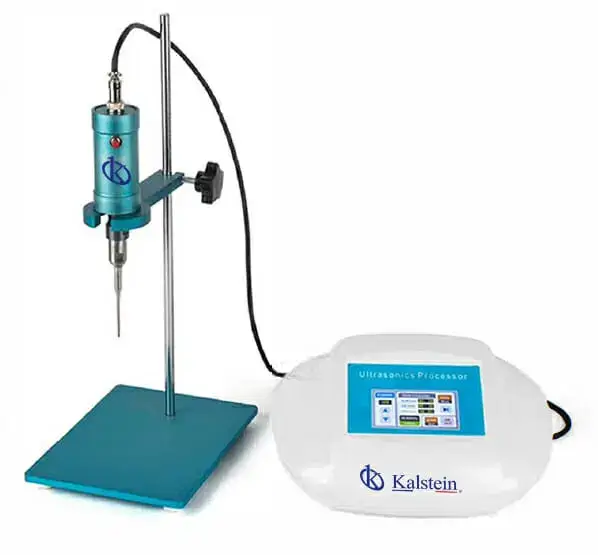
Ultrasonic homogenizers utilize ultrasonic waves to create cavitation bubbles in liquids. When these bubbles implode, they generate intense shear forces that efficiently disrupt and homogenize samples. This process is crucial for applications ranging from emulsification to cell lysis, making these devices invaluable in various laboratory settings.
Energy Sustainability in Laboratory Practices
Energy sustainability in laboratories encompasses efforts to reduce energy consumption while maintaining operational effectiveness. Ultrasonic homogenizers offer significant advantages in this regard. Their efficient energy usage not only conserves resources but also contributes to a laboratory's overall sustainability goals. In 2026, laboratories focusing on energy-efficient solutions will see increased demand for devices that minimize energy usage during operation.
Environmental Footprint Reduction Strategies
Reducing the environmental footprint of laboratory equipment involves strategies such as using energy-efficient devices, adopting eco-friendly practices, and implementing waste reduction measures. Ultrasonic homogenizers, by design, can help reduce chemical waste by enhancing extraction processes and minimizing the need for harmful solvents. Implementing these devices can lead to a significant decrease in the overall environmental impact of laboratory operations.
Comparison of Available Models
| Model | Power (W) | Price (USD) | Best Application |
|---|---|---|---|
| YR05829 | 150 | 659.00 | Cell lysis, emulsification |
| YR05830 | 250 | 659.00 | Homogenization, extraction |
| YR05831 | 400 | 699.00 | High-throughput applications |
| YR05831-op1 | 400 | 149.00 | Versatile laboratory use |
| YR05831-op2 | 400 | 95.00 | Budget-friendly options |
| YR05832 | 650 | 1050.00 | Advanced emulsification |
Common Mistakes and How to Avoid Them
Laboratory professionals often overlook critical factors when selecting ultrasonic homogenizers. One common mistake is not evaluating energy consumption, which can significantly impact operational costs. Additionally, failing to consider the specific application needs, such as power requirements and sample volume, can lead to suboptimal performance. Ensuring that the chosen model aligns with the laboratory's sustainability goals is essential for maximizing both efficiency and environmental responsibility.
Maximizing Efficiency in Sample Processing
To achieve energy sustainability, laboratories must focus on maximizing efficiency in sample processing. Ultrasonic homogenizers can streamline workflows by reducing processing times and enhancing output quality. For instance, using the YR05831 model allows labs to process larger sample volumes in shorter periods due to its higher power output. This efficiency not only saves energy but also increases throughput.
Lifecycle Assessment of Ultrasonic Homogenizers
Conducting a lifecycle assessment (LCA) on ultrasonic homogenizers can help laboratories understand the environmental impact of their equipment throughout its lifespan. This assessment includes evaluating manufacturing processes, energy consumption during use, and end-of-life disposal options. By choosing models designed for sustainability, such as the YR05832, labs can significantly lower their carbon footprint and promote eco-friendly practices.
Regulatory Compliance and Eco-Friendly Practices
Staying compliant with environmental regulations while utilizing ultrasonic homogenizers is crucial. Many laboratories are required to follow specific guidelines that dictate energy consumption and waste management. Choosing models that meet or exceed these standards is vital. For example, the YR05830's efficiency can help labs stay within compliance while achieving their operational goals.
Frequently Asked Questions
How can ultrasonic homogenizers reduce energy consumption in laboratories in 2026?
Ultrasonic homogenizers, such as the YR05831, are designed for high energy efficiency, minimizing power usage while maximizing output. Their ability to optimize sample processing times leads to reduced overall energy consumption, aligning with modern sustainability goals.
Which ultrasonic homogenizer model is best for reducing environmental impact in 2026?
The YR05832 is particularly effective at reducing environmental impact due to its high energy efficiency and powerful output, making it ideal for various applications while minimizing waste and energy usage.
What are the energy-saving features of the YR05830 ultrasonic homogenizer?
The YR05830 features an intelligent digital generator that optimizes energy usage, ensuring that the device operates efficiently under different conditions, which significantly contributes to sustainable laboratory practices.
How do ultrasonic homogenizers compare with traditional homogenization methods for sustainability?
Unlike traditional methods, ultrasonic homogenizers like the YR05829 consume less energy and minimize the need for harmful solvents, making them a more eco-friendly choice for laboratories aiming for sustainability.
What role do ultrasonic homogenizers play in waste reduction practices?
Ultrasonic homogenizers, such as the YR05831-op2, help laboratories reduce waste by enhancing extraction efficiency, leading to lower solvent usage and less chemical waste, thus supporting sustainable practices.
How to evaluate the environmental footprint of ultrasonic homogenizers?
Evaluating the environmental footprint involves assessing energy consumption, waste generation, and compliance with sustainability standards. Models like the YR05832 are specifically designed with these factors in mind to minimize their impact.
What are the cost benefits of implementing ultrasonic homogenizers in 2026?
Implementing ultrasonic homogenizers can lead to significant cost savings in energy and materials over time. For instance, the YR05830 offers high efficiency, leading to lower operational costs compared to traditional methods.
How can I request a quote for ultrasonic homogenizers from Kalstein in 2026?
To request a quote for ultrasonic homogenizers, you can contact the sales team at Kalstein or visit the official site to explore the latest offers tailored to your laboratory's needs in 2026.
If you are looking for a fusion of innovation and quality, you have come to the right place. At Kalstein, we offer you the luxury of exploring our exclusive catalog of laboratory equipment. We manufacture every device to the highest standards of excellence. Our intuitive and seamless online purchasing channels are designed for your convenience, securing the most competitive prices. Hesitate no longer — we bring science to life, it is time to become part of our community.