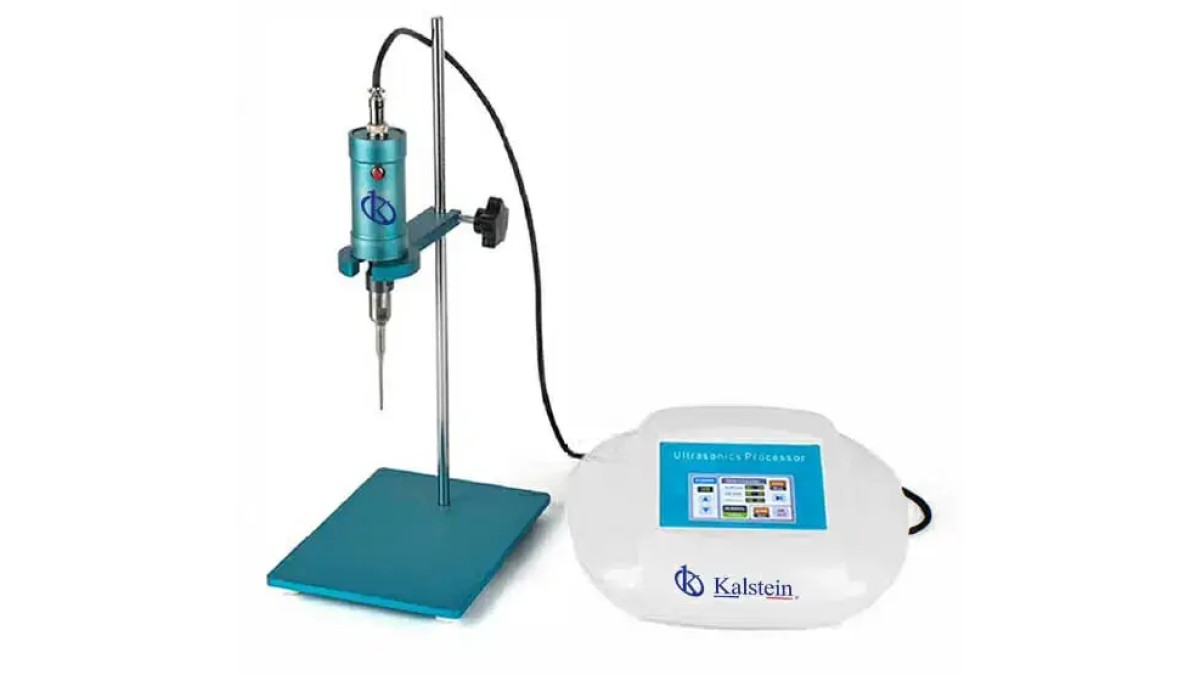
Ultrasonic Homogenizers: Applications in Research, Biotechnology, and Academia 2026
Ultrasonic homogenizers are essential instruments in modern laboratories, utilized for a variety of applications in research, biotechnology, and academia. They employ ultrasonic waves to generate cavitation in liquids, facilitating processes such as cell disruption, emulsification, and extraction. As technology has evolved, so too have the capabilities and applications of these devices, making them increasingly vital in scientific workflows.
What is it used for in 2026
In 2026, ultrasonic homogenizers are primarily used for:
- Cell Disruption: They effectively lyse a wide range of cells, including bacterial, plant, and mammalian cells, making them invaluable for extracting proteins, nucleic acids, and other biomolecules.
- Emulsification: Ultrasonic homogenizers create stable emulsions, essential in food, cosmetics, and pharmaceutical industries.
- Nanoparticle Dispersal: They help disperse nanoparticles in solvents or matrix materials, critical for nanotechnology and material science.
- Homogenization: They achieve uniform mixtures in solutions, which is essential for consistent research results.
- Extraction: They enhance the extraction of bioactive compounds from natural products, contributing to pharmacological research.
- Defoaming: In processes where foaming is problematic, ultrasonic homogenizers help reduce foam formation.
History and evolution of the technology
The history of ultrasonic homogenization dates back to the early 20th century when researchers began exploring the effects of sound waves on liquids. Over the decades, advancements in ultrasonic technology have allowed for the development of more powerful and efficient devices. The integration of digital controls and real-time monitoring has improved the accuracy and reliability of results in laboratories. By 2026, ultrasonic homogenizers are equipped with intelligent features that enhance user experience, allowing for customizable parameters that suit various applications.
How to use it step by step
Using an ultrasonic homogenizer involves several key steps:
- Prepare the Sample: Ensure that the sample is properly prepared according to the specific requirements of your application.
- Set Up the Device: Place the ultrasonic probe into the sample liquid, ensuring it is submerged sufficiently without touching the bottom of the container.
- Adjust Parameters: Set the desired ultrasonic power, frequency, and duration based on the type of sample and application.
- Activate the Homogenizer: Start the device, monitoring the process to ensure it runs smoothly and efficiently.
- Monitor Temperature: Keep an eye on the temperature, as excessive heat can affect sensitive samples. Use a temperature probe if necessary.
- End the Process: Once the desired results are achieved, turn off the device and carefully remove the probe.
- Analyze the Sample: Proceed with analysis or further processing of the homogenized sample.
Best techniques and protocols
To maximize the effectiveness of ultrasonic homogenizers, it is crucial to follow best practices:
- Optimize Power Settings: Tailor ultrasonic power settings to avoid over-processing and heat generation.
- Use Appropriate Probes: Choose the right probe type and size based on the sample volume and viscosity.
- Control Environment: Conduct homogenization in a controlled environment to reduce variables that might affect results.
- Follow Standard Protocols: Adhere to established protocols for different applications to ensure consistency and reproducibility.
Practical applications by laboratory type
Different laboratory types utilize ultrasonic homogenizers in unique ways:
- Research Laboratories: Used for cell disruption and protein extraction, aiding in various biological studies.
- Biotechnology Labs: Key for developing new drugs, vaccines, and genetic engineering applications.
- Academic Institutions: Employed in teaching settings to demonstrate principles of physical chemistry and molecular biology.
- Food Industry Labs: Essential for creating stable emulsions and ensuring product consistency.
- Pharmaceutical Labs: Utilized for extracting active ingredients and developing formulations.
Regulations, standards and certifications
Compliance with regulations and standards is crucial for ultrasonic homogenizers:
- ISO Standards: Ensure that devices meet international quality and safety standards.
- FDA Guidelines: For applications in pharmaceuticals and food, adherence to FDA regulations is necessary.
- CE Certification: Required for products marketed in Europe, indicating conformity with health and safety standards.
Comparison with alternative technologies
Ultrasonic homogenizers are compared with other homogenization technologies:
- High-Shear Mixers: More suitable for larger volumes but less effective for cell disruption.
- Static Mixers: Good for emulsification but lack the precision of ultrasonic devices.
- Colloid Mills: Effective for dispersing solids in liquids; however, they require more maintenance and are less versatile than ultrasonic homogenizers.
Comparison of available models
| Model | Best for | Key specs | Recommended use case |
|---|---|---|---|
| YR05829 | Cell disruption and emulsification | Power: 5-150 W, Frequency: 19-25 kHz, Capacity: 0.1-50 ml | Small sample volumes, research applications |
| YR05830 | Homogenization and extraction | Power: 5-250 W, Frequency: 19-25 kHz, Capacity: 0.5-100 ml | Medium sample volumes, biotechnology |
| YR05831 | Advanced emulsification | Power: 5-400 W, Frequency: 19-25 kHz, Capacity: 0.5-300 ml | High demand applications, pharmaceutical development |
| YR05831-op1 | Small sample preparation | Power: 5-150 W, Frequency: 19-25 kHz, Capacity: 0.1-50 ml | Educational use, small-scale research |
| YR05831-op2 | General purpose homogenization | Power: 5-150 W, Frequency: 19-25 kHz, Capacity: 0.1-50 ml | Versatile applications across multiple fields |
| YR05832 | High-capacity homogenization | Power: Up to 1800 W, Frequency: 20-25 kHz, Capacity: 0.2-1200 ml | Large sample volumes, industrial applications |
Common mistakes and how to avoid them
Avoid these common mistakes when using ultrasonic homogenizers:
- Incorrect Power Settings: Always start with a lower power setting and increase gradually to avoid overheating or damaging sensitive samples.
- Insufficient Sample Volume: Ensure that the sample volume is adequate for effective homogenization.
- Ignoring Temperature Control: Always monitor the temperature during the process, especially with heat-sensitive materials.
- Not Following Protocols: Adhere to established guidelines for the specific application to ensure reproducibility and accuracy.
Maintenance, calibration and good practices 2026
Proper maintenance and calibration are crucial for optimal performance:
- Regular Cleaning: Clean the probe and other components after each use to prevent cross-contamination.
- Calibration: Perform regular calibration to ensure consistent results.
- Check for Wear: Inspect the probe for signs of wear and replace as necessary to maintain efficiency.
- Record Keeping: Maintain a log of maintenance and calibration activities for quality control.
Cost-benefit analysis 2026
When evaluating the cost-benefit of ultrasonic homogenizers, consider the following:
- Initial Investment: The upfront cost of ultrasonic homogenizers varies based on the model and features.
- Operational Efficiency: These devices often reduce processing time and improve yield, translating to cost savings in the long run.
- Versatility: The ability to perform multiple tasks with one device enhances overall laboratory productivity.
- Quality of Results: High-quality homogenization contributes to reliable research outcomes, justifying the investment.
Frequently asked questions
What are the key factors to consider when choosing an ultrasonic homogenizer?
When choosing an ultrasonic homogenizer, consider factors such as sample size, power output, frequency, and the specific applications you plan to use it for. Make sure to assess the compatibility of the device with the materials you will be working with.
How do I determine the right power setting for my application?
Start with the lowest power setting and gradually increase it while monitoring the sample's temperature and consistency. Each application may require different power levels, so refer to specific protocols for guidance.
Can ultrasonic homogenizers be used for heat-sensitive samples?
Yes, but it is crucial to monitor the temperature closely. Employing shorter cycles and lower power settings can help minimize heat generation while maintaining sample integrity.
What maintenance is required for ultrasonic homogenizers?
Regular cleaning, calibration, and inspection for wear are necessary to ensure optimal performance. Documenting maintenance activities can help track equipment reliability.
How can I ensure reproducibility in my experiments using ultrasonic homogenizers?
Follow established protocols, maintain consistent sample volumes, and control processing parameters such as time and power settings for reproducible results.
Are there safety precautions I should take when using ultrasonic homogenizers?
Always use personal protective equipment, such as gloves and goggles. Ensure that the work area is clear of clutter, and avoid direct contact with the ultrasonic probe during operation.
How do I request a quote for ultrasonic homogenizers?
You can request a quote through our online platform, where you can explore the specifications and pricing of different models that suit your needs.
If you are looking for a fusion of innovation and quality, you have come to the right place. At Kalstein, we offer you the luxury of exploring our exclusive catalog of laboratory equipment. We manufacture every device to the highest standards of excellence. Our intuitive and seamless online purchasing channels are designed for your convenience, securing the most competitive prices. Hesitate no longer — we bring science to life, it is time to become part of our community.