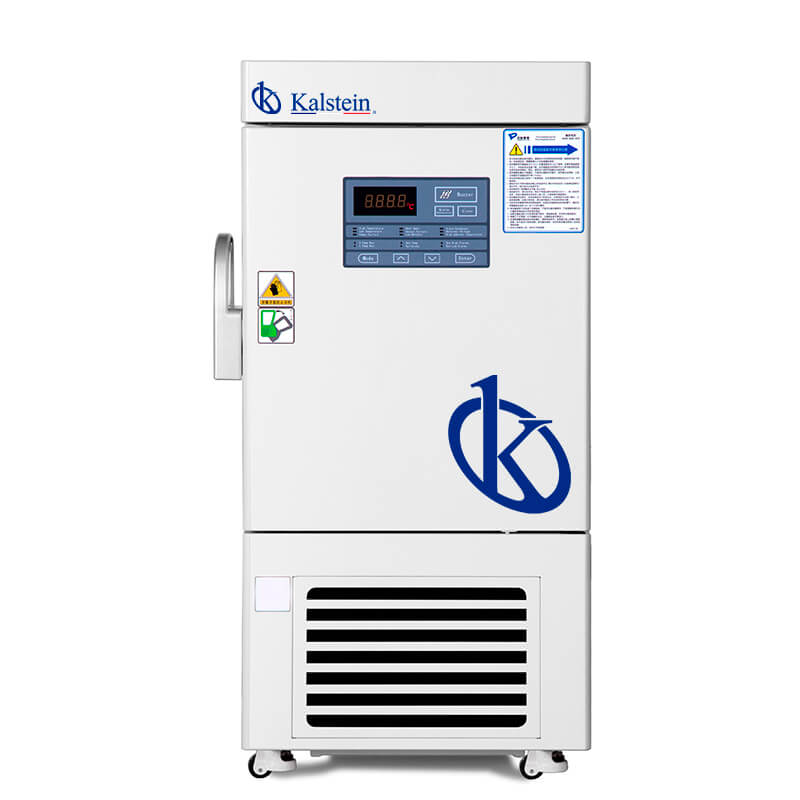
Ultra Freezers: A Practical Step-by-Step Guide for 2026
What is it used for in 2026
Ultra freezers are crucial in various laboratory settings, primarily for the long-term storage of biological products, including viruses, germs, red blood cells, white blood cells, and skin samples. In 2026, their applications extend to blood banks, hospitals, epidemiological prevention services, research institutes, chemical and electronic laboratories, biological engineering institutes, and marine fishing companies. These freezers must maintain a stable temperature, often between -40°C and -86°C, to ensure the viability and integrity of sensitive biological materials.
History and evolution of the technology
The development of ultra freezer technology has evolved significantly since its inception. Initially, laboratory freezers operated at higher temperatures and utilized basic insulation techniques. Over the years, advancements in refrigeration technology, materials, and design have led to the modern ultra freezer, capable of reaching much lower temperatures with enhanced energy efficiency. Innovations such as microprocessor-controlled temperature regulation and high-performance compressors have further improved their reliability and effectiveness in laboratory settings.
How to use it step by step
Using an ultra freezer effectively involves the following steps:
- Initial Setup: Ensure the unit is placed in a stable environment with adequate ventilation.
- Power Connection: Connect the freezer to a reliable power source, ensuring it meets the voltage requirements.
- Temperature Calibration: Set the desired temperature using the digital monitor and allow the unit to stabilize.
- Loading Samples: Organize biological materials using appropriate containers to maximize airflow and minimize thermal bridging.
- Regular Monitoring: Check temperature readings and alarm functions regularly to ensure proper operation.
- Data Logging: Utilize any built-in data logging features to track temperature variations over time.
- Routine Maintenance: Perform regular checks and maintenance tasks as outlined in the user manual.
Best techniques and protocols
Protocols for using ultra freezers should include:
- Pre-cooling samples before placing them in the freezer.
- Using insulated containers for transport to reduce temperature fluctuations.
- Implementing a FIFO (First In, First Out) system for sample storage to manage inventory effectively.
- Regularly updating a log of stored samples to ensure easy retrieval.
Practical applications by laboratory type
Various laboratories utilize ultra freezers in different ways:
- Blood Banks: For the storage of blood products, ensuring extended viability.
- Research Laboratories: To preserve sensitive research materials and biological samples under stable conditions.
- Pharmaceutical Companies: For storing vaccines and other temperature-sensitive medications.
Regulations, standards and certifications
Ultra freezers must comply with various regulations and standards, such as:
- ISO 9001 for quality management systems.
- Good Laboratory Practice (GLP) guidelines for laboratory equipment.
- National and local health regulations for biological material storage.
Comparison with alternative technologies
When compared to standard laboratory freezers, ultra freezers offer significantly lower temperature ranges and enhanced insulation. This makes them more suitable for sensitive biological materials, although they may have higher energy consumption and initial costs. In contrast, cryogenic freezers reach even lower temperatures but often require liquid nitrogen, posing safety risks and additional operational complexities.
Comparison of available models
| Model | Best for | Key specs | Recommended use case |
|---|---|---|---|
| YR05106 | Long-term storage of various biological products. | -40 to -86 °C, 5.6 kWh/24h | Ideal for blood banks and research labs focusing on temperature-sensitive samples. |
| YR05107 | Storage of biological materials with medium capacity. | -40 to -86 °C, 8.2 kWh/24h | Suitable for hospitals and small research facilities. |
| YR05108 | Storage of larger quantities of biological samples. | -40 to -86 °C, 12 kWh/24h | Recommended for larger research institutes with high storage needs. |
| YR05109 | High-volume storage with robust features. | -40 to -86 °C, 16.5 kWh/24h | Ideal for pharmaceutical companies needing reliability in sample storage. |
| YR05110 | Advanced storage options with high energy efficiency. | -40 to -86 °C, 20 kWh/24h | Best for laboratories requiring consistent temperature control. |
| YR05111 | Versatile high-capacity storage. | -40 to -86 °C, 18.8 kWh/24h | Recommended for diverse laboratory applications needing reliability. |
Common mistakes and how to avoid them
Common mistakes when using ultra freezers include:
- Overloading the freezer, which can impede airflow.
- Inadequate monitoring of temperature settings and alarms.
- Failing to perform regular maintenance checks and calibration.
To avoid these mistakes, ensure proper training for laboratory staff on operational protocols and maintain a routine check-up schedule.
Maintenance, calibration and good practices 2026
Maintaining ultra freezers involves:
- Regular cleaning of the interior and exterior surfaces.
- Calibration of temperature sensors at least once a year.
- Monitoring energy consumption to identify potential issues early.
Adopting good practices such as logging temperature readings, using backup systems for power outages, and scheduling maintenance can significantly enhance the lifespan and performance of the equipment.
Cost-benefit analysis 2026
When evaluating the cost versus benefits of ultra freezers, consider the following:
- Initial purchase costs versus the long-term value of preserving valuable biological materials.
- Energy consumption and maintenance costs as part of the total cost of ownership.
- Increased efficiency and performance compared to standard freezers leading to reduced risk of sample loss.
Investing in an ultra freezer can lead to significant savings in terms of sample preservation and operational efficiency in the long run.
Frequently asked questions
What should I consider when choosing an ultra freezer for my lab?
When selecting an ultra freezer, evaluate your storage capacity needs, temperature requirements, energy efficiency, and the specific biological materials you intend to store. Additionally, consider the brand's reputation and warranty offerings.
How do I ensure proper maintenance of an ultra freezer?
Regular maintenance involves cleaning, calibration of temperature controls, checking for any alarming indicators, and ensuring proper airflow around the unit. Follow the manufacturer's recommended maintenance schedule for best results.
What are the benefits of using ultra freezers over regular freezers?
Ultra freezers can reach much lower temperatures, are designed for long-term storage of sensitive biological materials, and typically include advanced monitoring systems to ensure sample integrity.
How often should temperature logs be checked?
Temperature logs should be checked daily, and any abnormalities should be addressed immediately to prevent sample loss. Regular reviews can help identify trends that may indicate equipment issues.
Is it necessary to have a backup power system for an ultra freezer?
Yes, having a backup power system is crucial to protect sensitive samples in case of power outages. It ensures that temperature levels remain stable even during unexpected interruptions.
Can I transport samples stored in an ultra freezer?
Yes, samples can be transported, but it is essential to use insulated containers and minimize the time the samples are outside of the ultra freezer to avoid temperature fluctuations.
If you are looking for a fusion of innovation and quality, you have come to the right place. At Kalstein, we offer you the luxury of exploring our exclusive catalog of laboratory equipment. We manufacture every device to the highest standards of excellence. Our intuitive and seamless online purchasing channels are designed for your convenience, securing the most competitive prices. Hesitate no longer — we bring science to life, it is time to become part of our community.