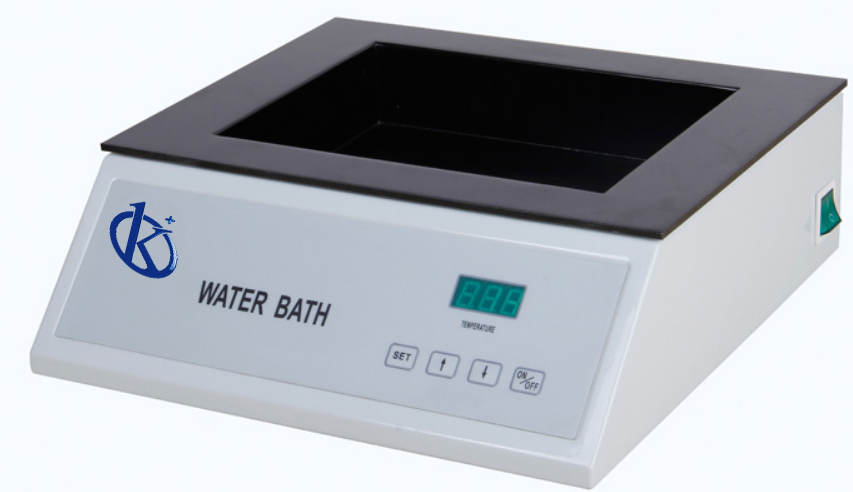
Tissue Water Baths: Applications in Research, Biotechnology and Academia 2026
What is it used for in 2026
Tissue water baths are crucial in various laboratory settings, particularly in histology and molecular biology. They provide a controlled environment for maintaining temperature-sensitive samples, facilitating processes such as tissue fixation, embedding, and sectioning. In 2026, these baths are increasingly used for temperature regulation in experiments involving enzyme reactions and cellular cultures, ensuring consistent results across different experimental conditions.
History and evolution of the technology
The development of tissue water baths has evolved significantly over the decades. Initially, these baths were simple water tanks heated by external sources. However, as technology advanced, modern tissue water baths now feature advanced microprocessor controls, precise temperature settings, and energy-efficient heating elements. These innovations have enhanced the reliability and functionality of the equipment, making it a staple in advanced laboratories.
How to use it step by step
Using a tissue water bath involves several steps to ensure proper operation and accuracy:
- Setup: Place the water bath on a stable, level surface and plug it into a reliable power source.
- Fill the tank: Add distilled water until the minimum fill line is reached to avoid damage to the heating element.
- Set the temperature: Use the control panel to set the desired temperature, typically between RT and 90°C, depending on the model.
- Preheat: Allow the bath to preheat to the set temperature, which may take several minutes.
- Monitor: Regularly check the digital display for real-time temperature monitoring.
- Use: Place your samples in the water bath for the required duration.
- Post-use: After use, turn off the water bath and follow the manufacturer's instructions for cleaning and maintenance.
Best techniques and protocols
To achieve optimal results when using tissue water baths, follow these techniques and protocols:
- Always use distilled water to prevent mineral buildup.
- Calibrate the temperature setting regularly to ensure accuracy.
- Use a thermometer for verification if the bath's digital display is not trusted.
- Maintain cleanliness to avoid contamination of samples.
- Implement a logging system for temperatures and times to track conditions for experiments.
Practical applications by laboratory type
Tissue water baths find applications in various laboratory types, including:
- Clinical Laboratories: Used for tissue preparation and histopathological examinations.
- Research Laboratories: Essential for experiments involving biochemical reactions and temperature-sensitive assays.
- Biotechnology Firms: Useful in developmental processes where precise temperature control is critical.
- Academic Institutions: Important for teaching students about laboratory techniques and procedures.
Regulations, standards and certifications
It is vital for tissue water baths to comply with laboratory regulations and standards. Compliance with ISO 9001 ensures quality management systems are in place, while certifications such as CE mark indicate compliance with EU safety standards. Regular audits and adherence to Good Laboratory Practices (GLP) are also necessary for maintaining the integrity of laboratory operations.
Comparison with alternative technologies
While tissue water baths are widely used, there are alternative technologies, such as:
- Dry Block Heaters: Provide intense localized heating but may not be suitable for all applications.
- Incubators: Offer controlled environments but are not always designed for specific temperature maintenance like water baths.
Each alternative has its advantages; however, tissue water baths remain the go-to option for their versatility in temperature-sensitive applications.
Comparison of available models
| Model | Best for | Key specs | Recommended use case |
|---|---|---|---|
| YR449 | General laboratory use | Temperature range: RT to 90℃, 200W, dimensions: 360 x 350 x 120 mm | Suitable for routine sample processing and temperature maintenance. |
| YR451 | Advanced research applications | Temperature range: 0 - 85℃, 400W, dimensions: 515 x 420 x 150 mm | Ideal for experiments requiring precise temperature control. |
| YR452 | Tissue flotation stations | Temperature range: RT - 75℃, 500W, dimensions: 515 x 420 x 160 mm | Perfect for histological applications and tissue processing. |
Common mistakes and how to avoid them
Common mistakes when using tissue water baths include:
- Inaccurate temperature settings due to improper calibration. Always calibrate before use.
- Pouring incorrect water levels can cause damage. Always maintain water levels at recommended marks.
- Neglecting cleaning routines leading to contamination. Establish a cleaning schedule after every use.
By being aware of these common pitfalls, laboratory personnel can ensure the longevity and efficacy of their equipment.
Maintenance, calibration and good practices 2026
For optimal performance in 2026, implement the following maintenance and calibration practices:
- Regularly check and calibrate temperature settings monthly or after significant use.
- Clean the water bath with non-corrosive cleaners after every use to prevent buildup.
- Inspect electrical connections regularly to ensure safety and functionality.
Cost-benefit analysis 2026
Investing in a tissue water bath is justified given its extensive applications in research and academia. While the initial cost may vary (ranging from $360 to $950), the benefits of improved sample handling, precise temperature control, and reliability far outweigh the investment. Regular maintenance can also extend the lifespan of the equipment, enhancing the overall cost-effectiveness.
Frequently asked questions
What should I consider when choosing a tissue water bath?
Consider the temperature range, ease of use, digital monitoring features, and size. Evaluate your laboratory space and specific application needs to select the best model.
How often should a tissue water bath be calibrated?
It is recommended to calibrate the tissue water bath monthly or after a significant period of use to ensure temperature accuracy.
Can I use tap water in my tissue water bath?
It is best to use distilled water to prevent mineral buildup that can affect the heating element and compromise results.
What are the maintenance tips for a tissue water bath?
Regularly clean the tank, check the water levels, and ensure that the electrical connections are secure to maintain optimal functionality.
Are there specific applications for different models of tissue water baths?
Yes, different models like YR449, YR451, and YR452 cater to various applications such as general laboratory tasks, advanced research, and tissue flotation, respectively.
What is the average lifespan of a tissue water bath?
With proper maintenance, a tissue water bath can last several years, typically ranging from 5 to 10 years, depending on usage and care.
Where can I request a quote for a tissue water bath?
You can request a quote through our official channels to explore competitive pricing and find the right model for your laboratory needs.
If you are looking for a fusion of innovation and quality, you have come to the right place. At Kalstein, we offer you the luxury of exploring our exclusive catalog of laboratory equipment. We manufacture every device to the highest standards of excellence. Our intuitive and seamless online purchasing channels are designed for your convenience, securing the most competitive prices. Hesitate no longer — we bring science to life, it is time to become part of our community.