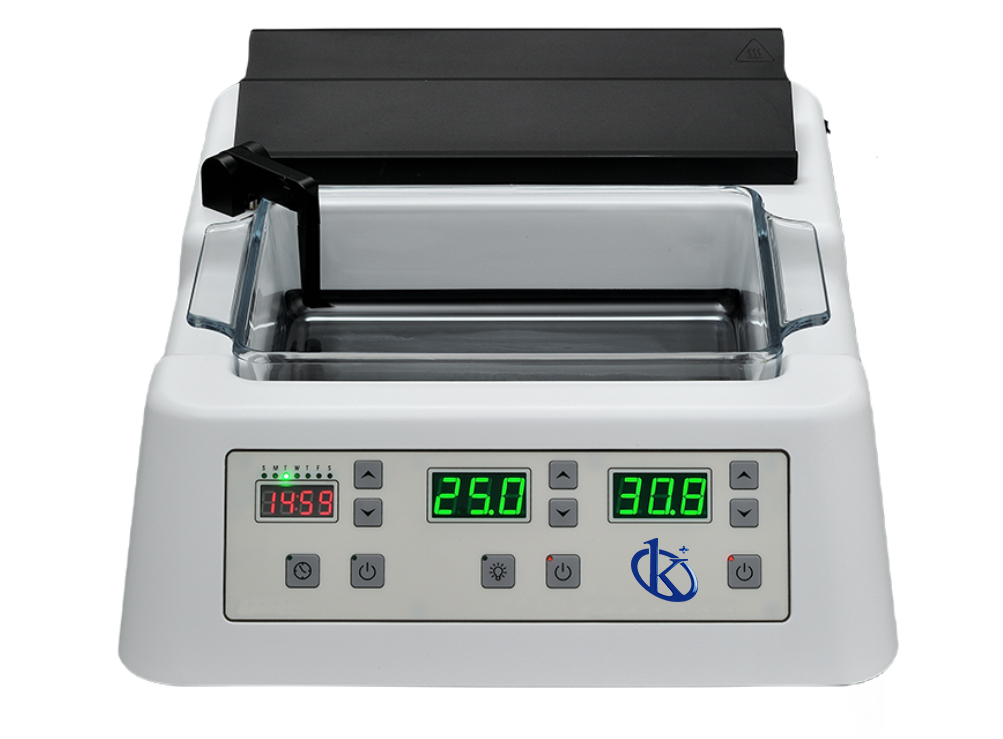
Tissue Flotation: Best Techniques and Protocols 2026
What is it used for in 2026
Tissue flotation instruments play a crucial role in the preparation of histological samples by allowing for the effective handling of tissue sections. The primary use is to ensure that delicate tissue samples are flattened uniformly on microscope slides, facilitating accurate staining and analysis. In 2026, these devices are indispensable for laboratories focusing on pathology, where precise examination of tissue morphology is essential for diagnosing diseases.
History and evolution of the technology
The technology of tissue flotation has evolved significantly since its inception. Initially, tissue samples were manually manipulated using slides and a variety of heating methods, which often led to inconsistencies in sample preparation. Over the decades, advancements in microprocessor technology have allowed for automated controls, improving temperature regulation and sample handling. Modern flotation workstations now feature digital displays for real-time monitoring, enhancing usability and reliability in laboratory settings.
How to use it step by step
- Setup the workstation: Ensure that the device is placed on a stable, flat surface. Plug in and turn on the flotation workstation, allowing it to reach the desired operational temperature.
- Prepare the water bath: Fill the water bath with distilled water and set the temperature—typically between room temperature and 70℃.
- Load the tissue samples: Carefully place the prepared tissue sections onto the heating plate or in the water bath. Ensure they are positioned for even exposure to heat.
- Monitor settings: Use the digital display to monitor the temperature settings. Adjust as needed based on the specific requirements of the tissue type.
- Transfer to slides: Once the tissue is adequately flattened, use a slide to lift the sample from the water bath and place it onto a clean microscope slide.
- Dry the slides: If necessary, transfer the slides to a drying station to remove excess moisture before staining.
Best techniques and protocols
In 2026, the best techniques for tissue flotation include:
- Consistent temperature control: Maintain a stable temperature to avoid thermal shock to the tissue.
- Use of distilled water: Distilled water is recommended to prevent contamination and ensure clarity of the tissue.
- Careful handling: Use forceps or similar tools to manipulate delicate tissue sections, minimizing the risk of damage.
Practical applications by laboratory type
Tissue flotation is used across various laboratory types:
- Pathology Labs: For preparing tissue biopsies for microscopic examination.
- Research Laboratories: To study cellular structures and their functions.
- Education Facilities: Teaching histology and pathology techniques to students.
Regulations, standards and certifications
Laboratories using tissue flotation equipment must comply with various regulations, including those set forth by the Clinical Laboratory Improvement Amendments (CLIA) and the College of American Pathologists (CAP). Adhering to these standards ensures the quality and reliability of testing procedures and results.
Comparison with alternative technologies
Alternative technologies for tissue preparation include cryostat microtomy and paraffin embedding. While cryostat provides rapid freezing of tissues for sectioning, tissue flotation remains the preferred method for certain delicate samples due to less thermal damage and greater control over the preparation process.
Comparison of available models
| Model | Best for | Key specs | Recommended use case |
|---|---|---|---|
| YR457-1 | Standard tissue flotation with robust features | Temperature range: RT - 70℃; Precision: ±2℃; Power: 400W | Ideal for laboratories with high throughput needs. |
| YR456 | Compact design for limited spaces | Temperature range: RT - 70℃; Precision: ±2℃; Power: 800W | Perfect for educational settings where space is a concern. |
| YR457 | Advanced monitoring features | Temperature range: RT - 70℃; Precision: ±2℃; Power: 900W | Best suited for research labs prioritizing accuracy. |
Common mistakes and how to avoid them
Some common mistakes include:
- Improper temperature settings: Always double-check temperature settings before use.
- Neglecting calibration: Regularly calibrate equipment to ensure precision.
- Inadequate cleaning: Ensure that all surfaces and tools are cleaned to prevent contamination.
Maintenance, calibration and good practices 2026
Regular maintenance of tissue flotation equipment includes cleaning the water bath and slide dryer, checking for leaks, and routinely calibrating the temperature sensors. Good practices involve maintaining a clean workstation and ensuring all materials used are free from contaminants.
Cost-benefit analysis 2026
Investing in high-quality tissue flotation equipment is justified by its impact on sample accuracy and laboratory efficiency. While initial costs may be high, the reduction in errors and improved reliability of results provide significant long-term savings.
Frequently asked questions
What should I consider when choosing a tissue flotation workstation?
Consider the volume of samples you handle, the space available in your lab, and the specific features that meet your workflow needs, such as temperature control and automation options.
How often should I calibrate my flotation equipment?
It is recommended to calibrate your equipment at least once a month, or more frequently if you notice discrepancies in temperature readings.
What are the risks associated with improper use of tissue flotation?
Improper use can lead to damaged tissue samples, inaccurate results, and increased turnaround times for laboratory testing.
Can I use any type of water in the water bath?
No, it is best to use distilled water to avoid contamination and preserve the integrity of the tissue samples.
What are the best practices for preventing contamination during tissue flotation?
Use clean tools, maintain a tidy workspace, and regularly sanitize surfaces and equipment to minimize contamination risks.
If you are looking for a fusion of innovation and quality, you have come to the right place. At Kalstein, we offer you the luxury of exploring our exclusive catalog of laboratory equipment. We manufacture every device to the highest standards of excellence. Our intuitive and seamless online purchasing channels are designed for your convenience, securing the most competitive prices. Hesitate no longer — we bring science to life, it is time to become part of our community.