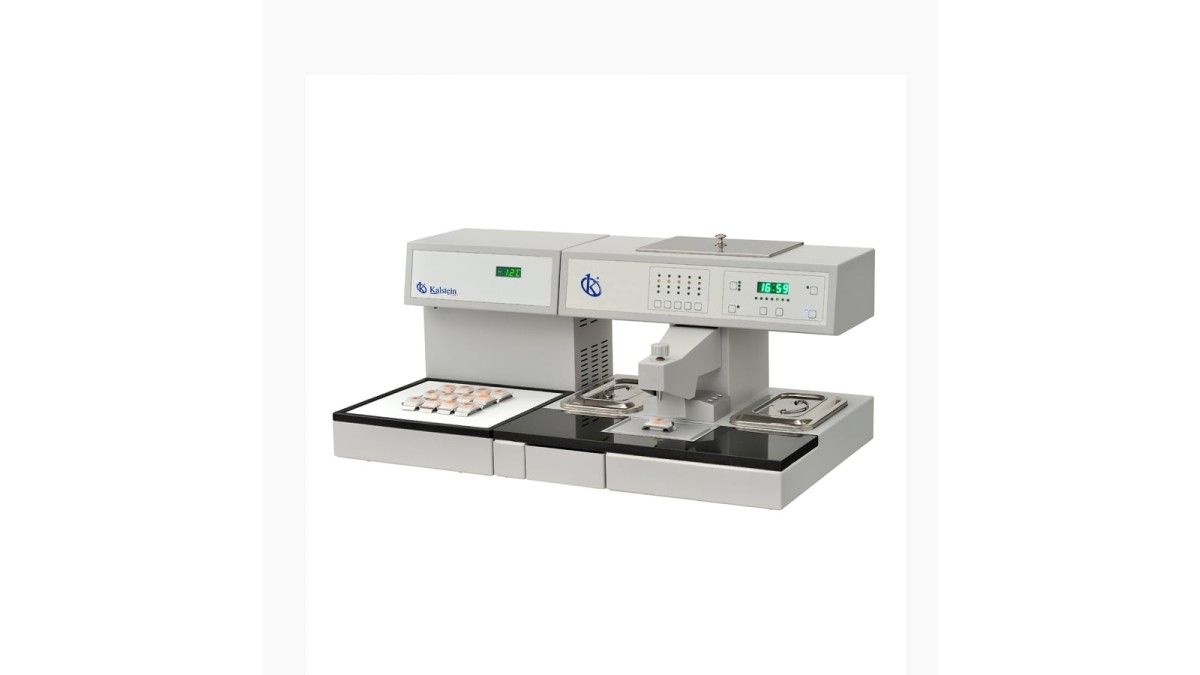
Tissue Embedding Systems: Common Mistakes and How to Avoid Them in Daily Operations 2026
Tissue embedding systems play a pivotal role in histology and pathology laboratories, enabling the precise processing of tissue samples for microscopic examination. Understanding how to operate these systems effectively is essential for laboratory professionals aiming to maintain high standards of work and avoid common pitfalls. This comprehensive guide will discuss the applications, history, techniques, and best practices regarding tissue embedding systems in 2026.
What is it used for in 2026
In 2026, tissue embedding systems are primarily used to prepare tissue samples for microscopic examination. They provide the necessary environment for infiltrating tissues with embedding media, usually paraffin, to create stable samples that can be sliced into thin sections. This is critical for diagnostic histology, allowing pathologists to analyze cellular structures and identify diseases. These systems incorporate heating elements to maintain optimal temperatures for embedding, ensuring that samples are processed uniformly and efficiently.
History and evolution of the technology
The evolution of tissue embedding technology has significantly enhanced laboratory workflows. Initially, tissue samples were processed manually, leading to inconsistencies and difficulties in handling. Over the years, technological advancements have introduced automated and programmable systems, allowing for precise temperature control and advanced features such as customizable workflows. This evolution reflects the growing demand for efficiency and accuracy in laboratory settings, ultimately improving the quality of diagnostic outcomes.
How to use it step by step
Using a tissue embedding system involves several critical steps:
- Preparation of the tissue: Ensure that the tissue samples are fixed properly and dehydrated before embedding.
- Setup of the embedding system: Turn on the system and set the desired temperature range according to the manufacturer's guidelines.
- Infiltration of tissue: Place the specimens in the embedding mold and fill with melted embedding medium, ensuring complete infiltration.
- Cooling and solidification: Allow the embedding medium to cool and harden completely, ensuring that the samples are secure.
- Sectioning: Once solidified, use a microtome to cut into thin sections for microscopic examination.
Best techniques and protocols
To optimize the use of tissue embedding systems, following best practices and established protocols is crucial:
- Maintain consistent temperatures throughout the embedding process.
- Regularly calibrate the equipment to ensure accuracy in temperature control.
- Use appropriate embedding media for specific tissue types to improve preservation quality.
- Implement a clean and organized workspace to avoid contamination of samples.
Practical applications by laboratory type
Different types of laboratories utilize tissue embedding systems for various applications:
- Clinical laboratories: Focus on diagnosing diseases through detailed tissue analysis.
- Research laboratories: Utilize embedding systems for academic and pharmaceutical research to study tissue responses to treatments.
- Veterinary laboratories: Employ embedding systems for analyzing animal tissue samples, ensuring proper disease diagnosis.
Regulations, standards and certifications
It is essential for laboratories using tissue embedding systems to comply with relevant regulations and standards. Organizations such as the Clinical Laboratory Improvement Amendments (CLIA) and the College of American Pathologists (CAP) provide guidelines that laboratories must follow. These regulations ensure that laboratory practices meet quality and safety standards, ultimately protecting patient health.
Comparison with alternative technologies
While tissue embedding systems are standard in pathology labs, alternatives such as cryoembedding offer different capabilities. Cryoembedding, for instance, involves freezing tissue samples, which can be more suitable for certain types of analysis. However, tissue embedding systems provide more stability for long-term storage and easier sectioning, making them essential for routine histology practices.
Comparison of available models
| Model | Best for | Key specs | Recommended use case |
|---|---|---|---|
| YR441 | Advanced tissue processing | 3L paraffin chamber, 55-70℃ temperature range | Suitable for high-throughput laboratories requiring flexibility |
| YR447 | Computer-controlled operations | 4L paraffin chamber, RT-85℃ temperature range | Ideal for laboratories needing quick, uniform heating |
| YR439 | Comprehensive dispensing unit | 3L paraffin chamber, 55-70℃ temperature range | Perfect for laboratories with ergonomic workspace requirements |
| YR445 | Complete dispensing system | 4L paraffin chamber, ambient-85℃ temperature range | Recommended for labs needing adjustable temperature settings |
| YR439-1 | High precision control | 6L paraffin chamber, up to -85℃ temperature | Best for institutions focusing on high precision histology |
| YR440B | Biological tissue preservation | 0 to -20℃ cooling range, 25kg weight | Essential for labs needing efficient tissue preservation methods |
Common mistakes and how to avoid them
Laboratory professionals often encounter several common mistakes in the operation of tissue embedding systems:
- Inconsistent temperature settings: Always verify the temperature settings before starting the embedding process to ensure uniformity.
- Neglecting regular maintenance: Schedule routine maintenance checks to keep the equipment in optimal condition.
- Using incorrect embedding media: Choose the appropriate embedding medium according to the tissue type for better results.
- Failing to follow protocols: Adhere to established protocols to minimize errors during the tissue embedding process.
Maintenance, calibration and good practices 2026
Regular maintenance and calibration of tissue embedding systems are critical for ensuring accurate performance. Follow these guidelines:
- Perform daily checks of temperature calibration and functionality.
- Clean the embedding chamber regularly to avoid contamination.
- Keep a log of maintenance activities to track performance over time.
Cost-benefit analysis 2026
Investing in a tissue embedding system can be substantial; however, the benefits often outweigh the costs. With improved efficiency and accuracy in diagnostic processes, laboratories can enhance their operational output. Additionally, the reduction in sample errors and rework saves time and resources, providing a favorable return on investment.
Frequently asked questions
What should I consider when choosing a tissue embedding system?
When selecting a tissue embedding system, consider factors such as the volume of samples processed, temperature range, ease of use, and specific laboratory requirements.
How can I ensure consistent temperature control in my embedding system?
Regularly calibrate the system and ensure that the heating elements are functioning correctly to maintain a consistent temperature environment.
What are the best practices for preparing tissue samples?
Proper fixation and dehydration of tissue samples are critical for effective embedding. Follow established protocols to ensure quality results.
How often should I perform maintenance on my embedding system?
Regular maintenance checks should be performed at least once a month, with more frequent checks for high-usage systems to ensure optimal performance.
Can I use different embedding media for the same tissue type?
While it is possible, using the recommended embedding medium specific to the tissue type generally yields better preservation and processing results.
What is the impact of improper maintenance on tissue embedding systems?
Improper maintenance can lead to equipment failures, inconsistent results, and increased costs due to rework and wasted samples.
How do I know when to replace my tissue embedding system?
Consider replacing your system if it frequently malfunctions despite maintenance, or if it no longer meets the throughput or quality requirements of your laboratory.
If you are looking for a fusion of innovation and quality, you have come to the right place. At Kalstein, we offer you the luxury of exploring our exclusive catalog of laboratory equipment. We manufacture every device to the highest standards of excellence. Our intuitive and seamless online purchasing channels are designed for your convenience, securing the most competitive prices. Hesitate no longer — we bring science to life, it is time to become part of our community.