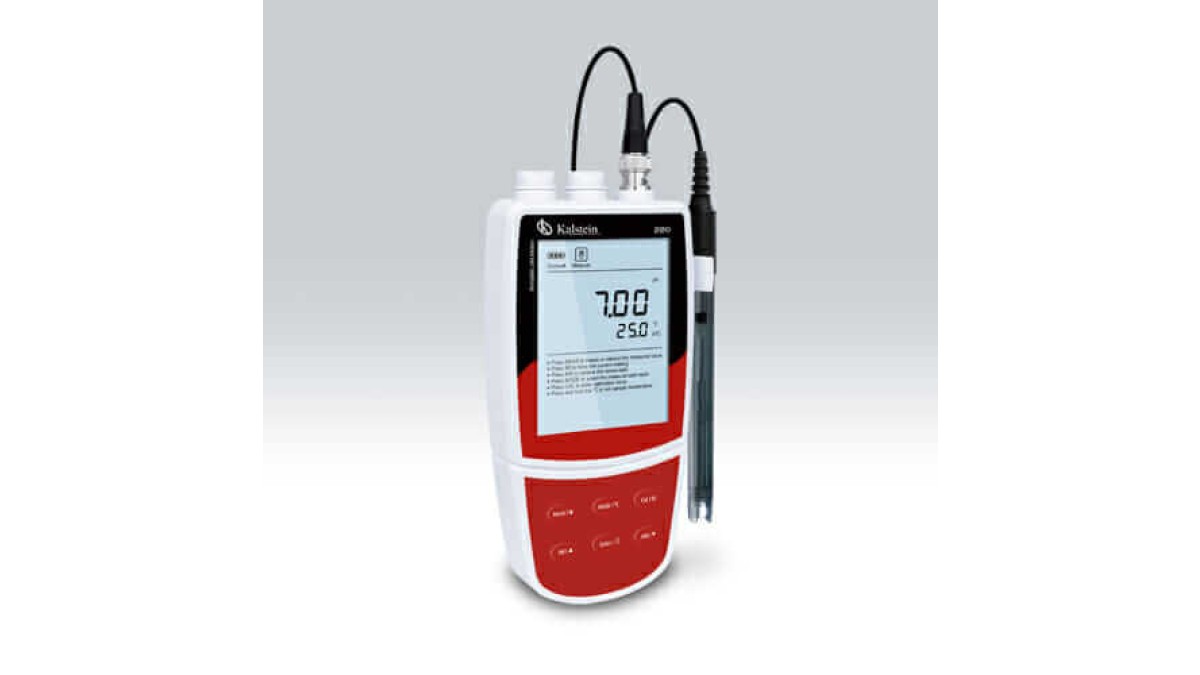
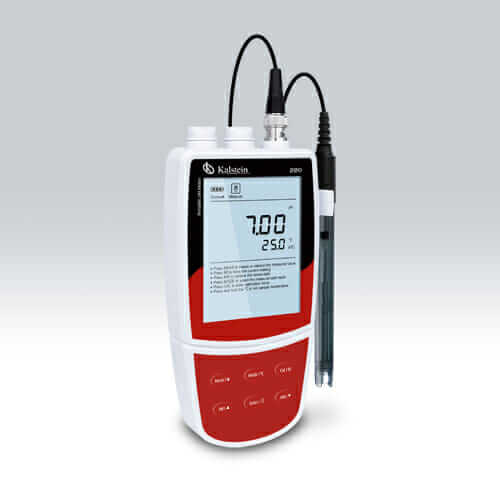
Table pH Meters: Practical Usage Guide for 2026
What is it used for in 2026
In 2026, table pH meters are essential tools for various laboratory applications, including quality control in food and beverage industries, environmental monitoring, clinical laboratories, and educational institutions. These devices provide precise measurements of pH levels, which is crucial in assessing the acidity or alkalinity of substances. Understanding pH is vital in chemical reactions, biological processes, and even in determining the efficacy of pharmaceuticals.
History and evolution of the technology
The evolution of pH measurement technology dates back to the early 1900s when the first glass electrode was developed. Over the decades, advancements in materials, electronics, and data processing have transformed these devices into highly sophisticated instruments. Modern table pH meters now include features such as automatic temperature compensation, advanced calibration protocols, and digital displays that enhance usability and accuracy.
How to use it step by step
Using a table pH meter involves several steps to ensure accurate results:
- Preparation: Gather all necessary materials, including the pH meter, calibration standards, and samples.
- Calibration: Calibrate the meter using standard buffer solutions to ensure accuracy. Follow the manufacturer’s instructions for the number of calibration points.
- Temperature Compensation: Engage the automatic temperature compensation if available, to adjust the readings based on the sample temperature.
- Measurement: Submerge the electrode in the sample solution and wait for the reading to stabilize.
- Recording Results: Document the pH reading and any necessary observations regarding the sample.
Best techniques and protocols
To achieve the best results when using table pH meters, follow these protocols:
- Always use fresh calibration buffers and ensure they are at the same temperature as your samples.
- Rinse the electrode with distilled water between measurements to avoid cross-contamination.
- Allow sufficient time for the electrode to equilibrate in the sample.
- Regularly check and replace the electrode as necessary to maintain accuracy.
Practical applications by laboratory type
Table pH meters serve various laboratory types:
- Food Industry: Monitoring pH levels in food products to ensure safety and quality.
- Environmental Labs: Testing soil and water samples to assess pollution levels.
- Clinical Labs: Measuring pH in biological samples, crucial for diagnosing health issues.
- Educational Institutions: Teaching students about chemical principles and measurement techniques.
Regulations, standards and certifications
In 2026, adherence to specific regulations and standards is crucial for laboratories utilizing table pH meters. Instruments must comply with ISO standards for accuracy and reliability. Calibration should be performed as per GLP (Good Laboratory Practice) guidelines, and documentation must be maintained to demonstrate compliance with regulatory requirements.
Comparison with alternative technologies
When compared to alternative technologies, such as handheld pH meters or potentiometric titrators, table pH meters offer several advantages:
- Stability: Table pH meters provide more stable readings due to a fixed measurement setup.
- Data Output: Many models allow for better data management, including USB connections for easy data transfer.
- Versatility: They can handle larger sample volumes, making them suitable for comprehensive analyses.
Comparison of available models
| Model | Best for | Key specs | Recommended use case |
|---|---|---|---|
| YR0220A | Professional pH measurement | Range: -2.00~20.00 pH, Resolution: 0.01 pH, Price: $155.00 | Laboratory environments requiring precise pH readings. |
| YR01822 | Advanced features with Bluetooth | Range: -2.00~20.00 pH, Resolution: ±0.02 pH, Price: $215.00 | Laboratories needing data storage and wireless printing capabilities. |
| YR01825 | Touchscreen interface | Range: -2.00~20.00 pH, Resolution: 0.01/0.001 pH, Price: $335.00 | Settings requiring intuitive controls and high-resolution outputs. |
| YR01823-2 | Precision measurements | Range: -2.000~20.000 pH, Price: $315.00 | High-accuracy pH measurements in research applications. |
| YR01823 | High sensitivity | Range: -2.00~20.00 pH, Price: $285.00 | General laboratory use with advanced sensitivity requirements. |
| YR01826 | Long-distance readings | Range: -2~19.999 pH, Price: $340.00 | Situations needing clear visibility from a distance. |
Common mistakes and how to avoid them
Common mistakes when using table pH meters can lead to inaccurate readings:
- Not calibrating the meter correctly. Always calibrate with fresh buffers.
- Failing to rinse the electrode between samples, which can cause cross-contamination.
- Ignoring temperature effects. Make sure to engage temperature compensation.
Maintenance, calibration and good practices 2026
Maintaining your table pH meter is crucial for accuracy:
- Regularly calibrate your device before use
- Clean the electrode according to the manufacturer’s instructions.
- Store the electrode in a suitable solution to prevent drying out.
Cost-benefit analysis 2026
When evaluating the cost-benefit ratio of table pH meters, consider factors such as:
- The precision of measurements versus the initial cost of the device.
- Long-term savings through reduced errors in analyses.
- Enhanced capabilities from advanced features, which can justify higher upfront costs.
Frequently asked questions
How do I choose the right table pH meter for my lab?
Consider factors such as the required measurement range, resolution, and any specific features like Bluetooth connectivity or data storage options.
What maintenance is required for a table pH meter?
Regular calibration, cleaning of the electrode, and proper storage in suitable solutions are necessary to maintain accuracy and longevity.
Can I use a table pH meter for different types of samples?
Yes, table pH meters can be used for various samples, including liquids, semi-solids, and solids, as long as appropriate techniques are followed.
How often should I calibrate my pH meter?
Calibration should be performed before each use or at least once a day in busy labs to ensure accuracy.
What are the signs that my electrode needs replacing?
Signs include slow response times, erratic readings, and failure to calibrate properly. Regular checks can help identify these issues early.
What features should I look for in a pH meter?
Look for automatic temperature compensation, multiple calibration options, data storage capabilities, and user-friendly interfaces to enhance efficiency.
How can I ensure accurate readings with my pH meter?
Follow proper calibration protocols, maintain the electrode, and ensure samples are at the correct temperature before measurement.
If you are looking for a fusion of innovation and quality, you have come to the right place. At Kalstein, we offer you the luxury of exploring our exclusive catalog of laboratory equipment. We manufacture every device to the highest standards of excellence. Our intuitive and seamless online purchasing channels are designed for your convenience, securing the most competitive prices. Hesitate no longer — we bring science to life, it is time to become part of our community.