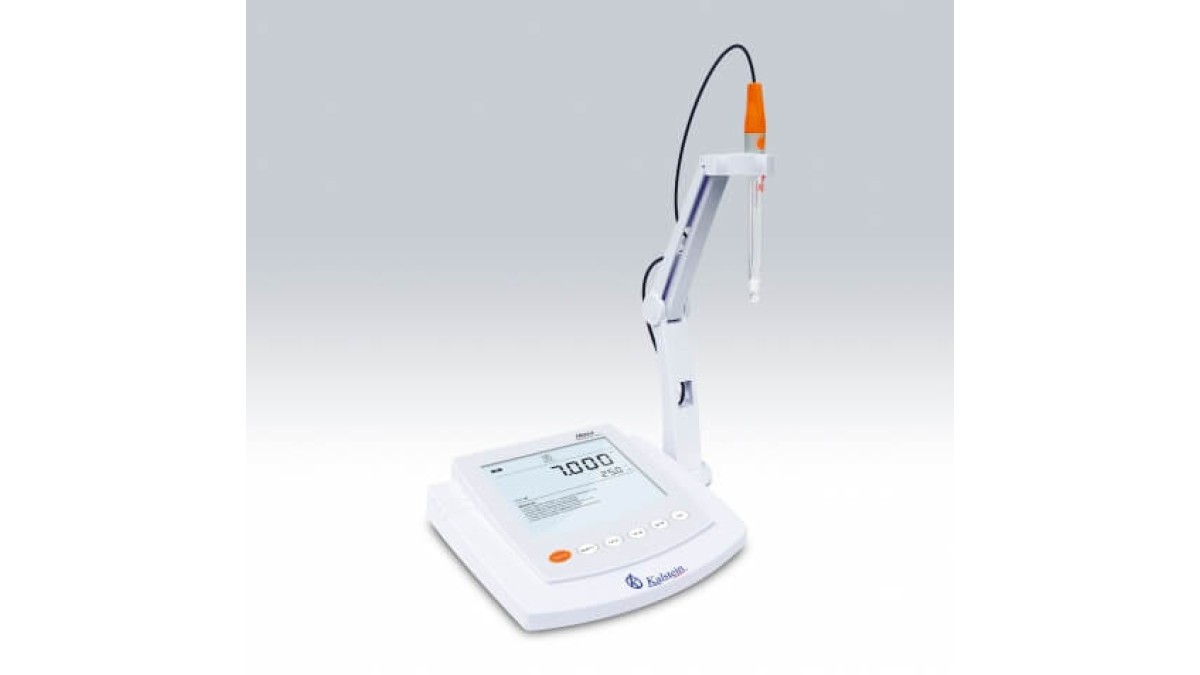
Table Conductivity Controllers: Best Practices and Techniques 2026
What is it used for in 2026
Table conductivity controllers are essential instruments in various laboratory applications, particularly for measuring the electrical conductivity of liquids. These devices are crucial in sectors such as environmental monitoring, water treatment, chemical manufacturing, and food processing. In 2026, the focus is on enhancing accuracy, portability, and ease of use, which allows laboratory professionals to obtain reliable data swiftly. With advancements in technology, conductivity controllers are now equipped with features that allow real-time data logging, automatic temperature compensation, and user-friendly interfaces.
History and evolution of the technology
The technology of conductivity measurement has evolved significantly since its inception. Initially, conductivity meters were bulky and required manual calibration, which made them cumbersome in laboratory settings. Over the years, advancements in microprocessor technology have led to the development of more compact and efficient conductivity controllers, with features like automatic calibration, Bluetooth connectivity, and enhanced accuracy. By 2026, these devices have become more sophisticated, integrating touch screen interfaces and smart functionalities to cater to the diverse needs of laboratory professionals.
How to use it step by step
Using a table conductivity controller effectively involves several steps:
- Preparation: Ensure that the conductivity meter is clean and calibrated according to the manufacturer's guidelines.
- Calibrate: Perform a calibration using standard solutions of known conductivity. Follow the specific instructions provided in the user manual for calibration steps.
- Sample Preparation: Prepare your liquid sample, making sure it is at the appropriate temperature and homogeneous.
- Measurement: Immerse the probe into the sample, ensuring it is fully submerged. Wait for the reading to stabilize.
- Record Data: Document the conductivity value displayed on the screen, along with any other relevant data such as temperature.
- Clean the Probe: After use, rinse the probe with distilled water to prevent contamination.
Best techniques and protocols
In 2026, employing best practices for using table conductivity controllers ensures accuracy and longevity of the devices:
- Always use fresh calibration solutions to maintain accuracy.
- Perform regular maintenance checks on the device, including updates on firmware if applicable.
- Store the probes according to the manufacturer's recommendations to prevent drying out or damage.
- Utilize automatic temperature compensation features to enhance measurement accuracy under varying conditions.
- Follow specific measurement protocols pertinent to your laboratory's requirements to ensure consistency.
Practical applications by laboratory type
Different laboratories utilize table conductivity controllers for various applications:
- Chemical Laboratories: Used to measure ionic concentrations in solutions, essential for chemical production and research.
- Environmental Laboratories: Monitor water quality by measuring the conductivity of water samples from different sources.
- Food and Beverage Industry: Conductivity measurements help in ensuring the quality and safety of products, especially in beverages.
- Research and Development Labs: Employed in experiments requiring precise data on ionic solutions and reactions.
Regulations, standards and certifications
Laboratories utilizing table conductivity controllers must adhere to various standards and regulations to ensure compliance and quality. Key regulations include:
- ISO Standards: ISO 7888 and ISO 13530 for methods of measuring conductivity in water.
- EPA Guidelines: Environmental Protection Agency regulations regarding water quality measurements.
- Good Laboratory Practice (GLP): Ensures reliability, reproducibility, and excellence in laboratory practices.
Comparison with alternative technologies
When comparing table conductivity controllers with alternative technologies, such as portable conductivity meters and inline analyzers, several factors come into play:
- Portability: Portable meters offer flexibility for field use, while table controllers provide superior accuracy for lab settings.
- Cost: Table conductivity controllers generally have a higher initial investment but can offer better long-term value through precision and durability.
- Functionality: Inline analyzers are suitable for continuous monitoring, whereas table controllers are ideal for batch testing.
Comparison of available models
| Model | Best for | Key specs | Recommended use case |
|---|---|---|---|
| YR01836-1 | Versatile laboratory testing | 12 options, pH range -2.000 to 20.000pH | Ideal for comprehensive water quality testing |
| YR01836 | Advanced laboratory applications | 5-inch LCD, multiple USB interfaces | Best for high-demand environments requiring data logging |
| YR01829-1 | Basic conductivity measurements | 1-3 point calibration, backlit display | Suitable for routine laboratory tests |
| YR01829-2 | Basic conductivity measurements | 1-3 point calibration, backlit display | Excellent for daily testing in labs |
| YR01829 | Sophisticated laboratory environments | 7-inch capacitive touch screen, Bluetooth connectivity | Recommended for laboratories requiring high-tech solutions |
| YR01828 | Multi-parameter measurements | Advanced readings for conductivity, TDS, and salinity | Perfect for diverse applications in water analysis |
Common mistakes and how to avoid them
Laboratory professionals often encounter challenges when using table conductivity controllers. Here are common pitfalls and tips on how to avoid them:
- Neglecting Calibration: Always calibrate your device before measurements to ensure accuracy.
- Improper Handling of Probes: Handle probes gently and clean them properly to avoid damage or contamination.
- Ignoring Temperature Effects: Be aware of temperature impacts and utilize automatic temperature compensation features.
- Failing to Document Results: Consistently record results to track changes and maintain data integrity.
Maintenance, calibration and good practices 2026
To ensure longevity and accuracy of table conductivity controllers, follow these maintenance and calibration practices:
- Regularly check and replace electrodes as needed.
- Store the device in a protective case to prevent physical damage.
- Calibrate every month or as needed based on usage frequency.
- Keep the device firmware updated for optimal performance.
- Clean the device and probes after each use to prevent contamination.
Cost-benefit analysis 2026
Investing in a table conductivity controller in 2026 offers significant benefits, including:
- Precision: Enhanced measurement accuracy justifies the investment for laboratory settings.
- Time-Saving: Quick and reliable results reduce time spent on analyses.
- Durability: Quality devices yield long-term savings through reduced replacement costs.
- Versatility: Suitable for multiple applications across various industries.
Frequently asked questions
How do I choose the right table conductivity controller for my laboratory?
Consider the specific applications you need the conductivity controller for, such as the types of liquids you will be measuring, the required accuracy, and any additional features like data logging or Bluetooth connectivity.
What maintenance is required for table conductivity controllers?
Regular cleaning of the probes, calibration at specified intervals, and proper storage in a protective case are essential for maintaining your device.
Can I use a conductivity controller for different types of liquids?
Yes, conductivity controllers can measure various liquids, but it's essential to calibrate and clean the device according to the type of liquid being tested to ensure accuracy.
What is the importance of automatic temperature compensation in conductivity measurement?
Automatic temperature compensation corrects conductivity measurements based on temperature fluctuations, leading to more accurate results.
What are common errors when using conductivity controllers?
Common errors include neglecting to calibrate before use, improper handling of probes, and not accounting for temperature effects. Following best practices can mitigate these mistakes.
How often should I calibrate my conductivity meter?
Calibration frequency can vary based on usage, but it is generally recommended to calibrate monthly or before significant measurements to ensure reliability.
Where can I find reliable table conductivity controllers?
Explore various laboratory equipment suppliers and manufacturers who specialize in high-quality conductivity controllers to find reliable options suitable for your needs.
If you are looking for a fusion of innovation and quality, you have come to the right place. At Kalstein, we offer you the luxury of exploring our exclusive catalog of laboratory equipment. We manufacture every device to the highest standards of excellence. Our intuitive and seamless online purchasing channels are designed for your convenience, securing the most competitive prices. Hesitate no longer — we bring science to life, it is time to become part of our community.