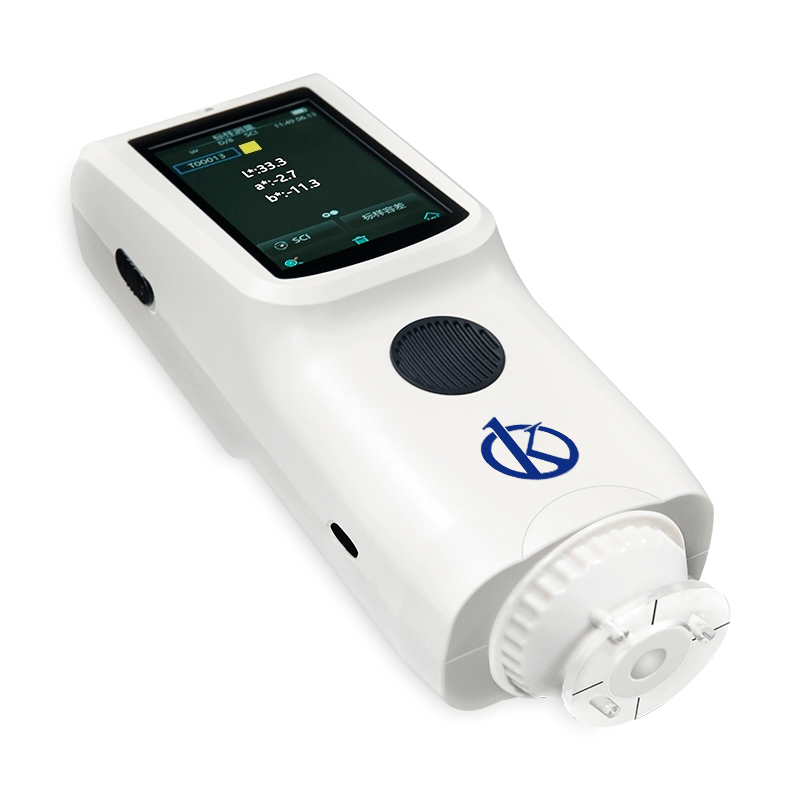
Spectrocolorimeters: Practical Applications and Techniques 2026
Spectrocolorimeters are essential tools in various laboratory settings, including clinical and hospital environments. They enable precise color measurement and analysis, which is crucial for quality control and research purposes. In 2026, understanding how to effectively use spectrocolorimeters can enhance laboratory workflows and improve outcomes.
What is it used for in 2026
In 2026, spectrocolorimeters are utilized for a myriad of applications across different laboratories. They play a vital role in color measurement in industries such as pharmaceuticals, food and beverage, textiles, and paints. These instruments are used to ensure color consistency, quality control, and compliance with industry standards. Their ability to provide accurate color data facilitates better decision-making in product formulation and quality assurance.
History and evolution of the technology
The technology behind spectrocolorimeters has evolved significantly over the years. Initially, color measurement was performed using basic visual assessments, which were subject to human error. The introduction of spectrophotometric measurements allowed for more objective and reliable color analysis. Over time, advancements in sensor technology and software have led to the development of portable and user-friendly spectrocolorimeters that can be used in various environments, including field applications.
How to use it step by step
Using a spectrocolorimeter involves a systematic approach to ensure accurate measurements. Here is a step-by-step guide:
- Preparation: Ensure the device is calibrated according to the manufacturer's specifications.
- Sample Selection: Choose the sample whose color you wish to measure. Ensure it is free from contaminants.
- Set Up: Position the sample properly in the spectrocolorimeter device, following the manufacturer's guidelines.
- Measurement: Initiate the measurement process. The device will analyze the color and provide data.
- Data Analysis: Record the data and compare it to set standards or previous measurements.
- Maintenance: Clean the device after use and store it in a suitable environment.
Best techniques and protocols
To optimize the performance of spectrocolorimeters, adhere to the following best practices:
- Regularly calibrate the device using certified color standards to ensure accuracy.
- Use proper lighting conditions for measurements, as ambient light can affect the results.
- Keep the optics clean and free from dust or fingerprints to avoid interference.
- Follow the manufacturer's specific protocols for different measurement modes.
Practical applications by laboratory type
Different types of laboratories utilize spectrocolorimeters for various applications:
- Clinical Laboratories: For measuring the color of biological samples.
- Food and Beverage Labs: To ensure consistent color in food products.
- Textile Labs: For color matching in fabrics and dyes.
- Paint and Coating Labs: To maintain color quality in paint formulations.
Regulations, standards and certifications
Compliance with industry regulations is essential when using spectrocolorimeters. Laboratories must adhere to standards such as ISO 7724-1 and ASTM E1164, which outline color measurement protocols. Certifications ensuring that the equipment meets these standards are also crucial for maintaining quality assurance in laboratory processes.
Comparison with alternative technologies
While spectrocolorimeters are widely used, it is important to compare them with alternative color measurement technologies:
- Visual Assessment: Less accurate and subjective compared to spectrocolorimeters.
- Colorimeters: Limited in measuring complex color data compared to spectrocolorimeters.
- Digital Color Meters: Often more portable but may lack the precision of spectrocolorimeters.
Comparison of available models
| Model | Best for | Key specs | Recommended use case |
|---|---|---|---|
| YR05516 | General color measurement and quality control | Price: $2570.00 | Testing in various industrial applications |
| YR05517 | Precision color matching | Price: $1838.00 | Applicable in textile and paint industries |
| YR05518 | Quality assurance in textiles | Price: $935.00 | Monitoring color consistency in clothing |
| YR05519 | Multifunctional color analysis | Price: $623.00 | Versatile usage across various materials |
Common mistakes and how to avoid them
To ensure accurate results and prolong the life of the spectrocolorimeter, avoid these common mistakes:
- Neglecting calibration — always calibrate before use.
- Forgetting to clean the optics, which can lead to inaccurate readings.
- Incorrect sample positioning, which can skew results.
- Failing to document results, which is essential for quality control.
Maintenance, calibration and good practices 2026
Regular maintenance is crucial for the longevity and accuracy of spectrocolorimeters:
- Calibrate at least once a week or before major testing.
- Store in a dust-free and temperature-controlled environment.
- Conduct regular software updates as recommended by the manufacturer.
Cost-benefit analysis 2026
Investing in a spectrocolorimeter offers substantial benefits in the long run:
- Improved accuracy and consistency in color measurements.
- Reduction in product waste due to better quality control.
- Enhanced ability to meet regulatory standards, leading to potential market advantages.
Frequently asked questions
How do I choose the right spectrocolorimeter for my laboratory?
To choose the right spectrocolorimeter, consider factors such as the specific applications you have in mind, the required accuracy levels, and your budget constraints. Evaluate the models based on their specifications and best-use cases to determine the best fit.
What maintenance is required for a spectrocolorimeter?
Regular maintenance includes cleaning the optical components, calibrating the device according to the manufacturer’s guidelines, and ensuring it is stored properly to prevent damage.
How can I ensure accurate measurements?
To ensure accurate measurements, calibrate your spectrocolorimeter frequently, keep the optics clean, and follow the manufacturer's guidelines for sample positioning and lighting conditions.
What are the common applications of spectrocolorimeters?
Spectrocolorimeters are commonly used in industries such as pharmaceuticals, textiles, food and beverage, and paint manufacturing for quality control, color matching, and compliance with regulatory standards.
Can spectrocolorimeters be used in field applications?
Yes, many modern spectrocolorimeters are designed to be portable, making them suitable for field applications where on-site color measurement is necessary.
How do I improve workflow with a spectrocolorimeter?
Improving workflow can be achieved by integrating spectrocolorimeters into standardized testing protocols, ensuring staff are trained in their use, and regularly reviewing results for quality assurance.
If you are looking for a fusion of innovation and quality, you have come to the right place. At Kalstein, we offer you the luxury of exploring our exclusive catalog of laboratory equipment. We manufacture every device to the highest standards of excellence. Our intuitive and seamless online purchasing channels are designed for your convenience, securing the most competitive prices. Hesitate no longer — we bring science to life, it is time to become part of our community.