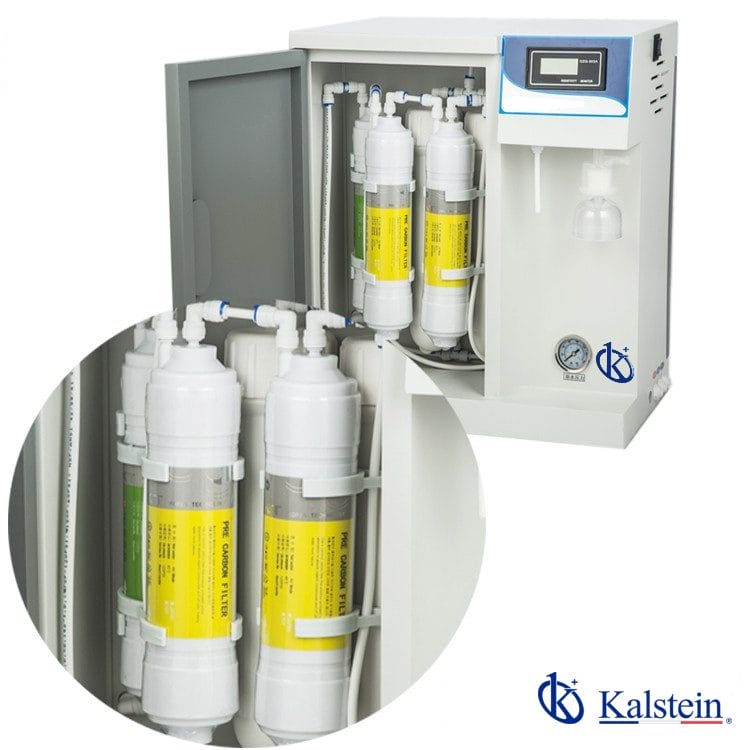
Site Requirements and Installation Conditions for the YR57-2 Deionized Water System
The YR57-2 Deionized Water System is a state-of-the-art solution for laboratories requiring ultra-pure water for various applications such as biochemical analysis, battery charging, and microbial culture preparation. Understanding the environmental conditions and installation requirements is crucial for ensuring the system's longevity and optimal performance. This article delves into the specific requirements and recommendations for the YR57-2.
Technical Specifications of the YR57-2
| Specification | Value |
|---|---|
| Model | YR57-2 |
| Water Source | Urban tap water: TDS < 200ppm, 5-45°C, 1.0-3.5Kg/cm² |
| Production | 15 L/H |
| Inorganic Ion Rejection | >96% |
| Organic Soluble Matter Rejection | >99% (molecular weight >100) |
| Particulate Material Rejection Index | >99% |
| Microbial Retention Index | >99% |
| RO Water Quality | TDS < 10 ppm, salt rejection rate over 95% |
| Power Supply | 220V 50Hz, 72-240W |
| Standard Configuration | Machine (with one set of consumables inside) + accessories package |
Environmental Conditions for Optimal Operation
The installation site for the YR57-2 must meet several environmental criteria to maintain operational efficiency and prevent malfunctions. The recommended conditions include:
- Temperature: The operating temperature range should be between 5°C to 45°C, ensuring that the system does not overheat or freeze.
- Humidity: A moderate humidity level is essential. The system should be installed in an environment with humidity levels between 30% and 70%.
- Ventilation: Adequate ventilation is critical to prevent overheating. Ensure that the unit is not enclosed in a tight space without airflow.
- Vibration: Install the YR57-2 on a stable surface free from excessive vibration that may affect performance.
- EMI (Electromagnetic Interference): Position the system away from high EMI sources, which can interfere with electronic components.
Installation Requirements
When setting up the YR57-2, follow these guidelines to ensure proper installation:
- Unboxing Checklist: Ensure all components are present, including the machine, filters, and accessories.
- Leveling: Place the unit on a flat, stable surface to ensure accurate readings and operation.
- Anchoring: Secure the unit if necessary to prevent movement during operation.
- Power-Up Sequence: Follow the recommended power-up sequence to prevent electrical issues.
- Calibration: Conduct initial calibration and check readings to ensure accuracy.
- Common Setup Mistakes: Avoid placing the unit near heat sources or in direct sunlight, which can lead to temperature issues.
Site Preparation Checklist
| Preparation Item | Required Condition |
|---|---|
| Temperature Control | 5°C to 45°C |
| Humidity Levels | 30% to 70% |
| Surface Stability | Flat and stable |
| Ventilation | Adequate airflow |
| Electrical Supply | 220V 50Hz |
Frequently Asked Questions
What are the ideal environmental conditions for operating the YR57-2?
The ideal environmental conditions for operating the YR57-2 include a temperature range of 5°C to 45°C, humidity between 30% and 70%, and adequate ventilation to prevent overheating.
How do I properly install the YR57-2 system?
To install the YR57-2, ensure you unbox all components, place the unit on a flat surface, secure it if needed, and follow the power-up and calibration procedures accurately.
What should I do if the YR57-2 system does not power on?
If the YR57-2 does not power on, check the power supply connection, ensure the voltage is correct, and inspect the fuse or circuit breaker to ensure it is functioning properly.
What are common mistakes to avoid during the installation of the YR57-2?
Common mistakes include placing the unit near heat sources, not securing it adequately, and failing to ensure proper ventilation and leveling during installation.
How often should the filters be replaced in the YR57-2 system?
The filters in the YR57-2 should be replaced based on usage and water quality, typically every six months to one year, depending on the applications and environment.
Can the YR57-2 be used in different laboratory sectors?
Yes, the YR57-2 is versatile and can be used in various laboratory sectors, including clinical, industrial, and educational laboratories, for diverse applications requiring ultra-pure water.
How do I request support for the YR57-2 system?
For support with the YR57-2 system, you can reach out through the customer service channels provided with your purchase or visit the official Kalstein website for more information.
If you are looking for a fusion of innovation and quality, you have come to the right place. At Kalstein, we offer you the luxury of exploring our exclusive catalog of laboratory equipment. We manufacture every device to the highest standards of excellence. Our intuitive and seamless online purchasing channels are designed for your convenience, securing the most competitive prices. Hesitate no longer — we bring science to life, it is time to become part of our community.