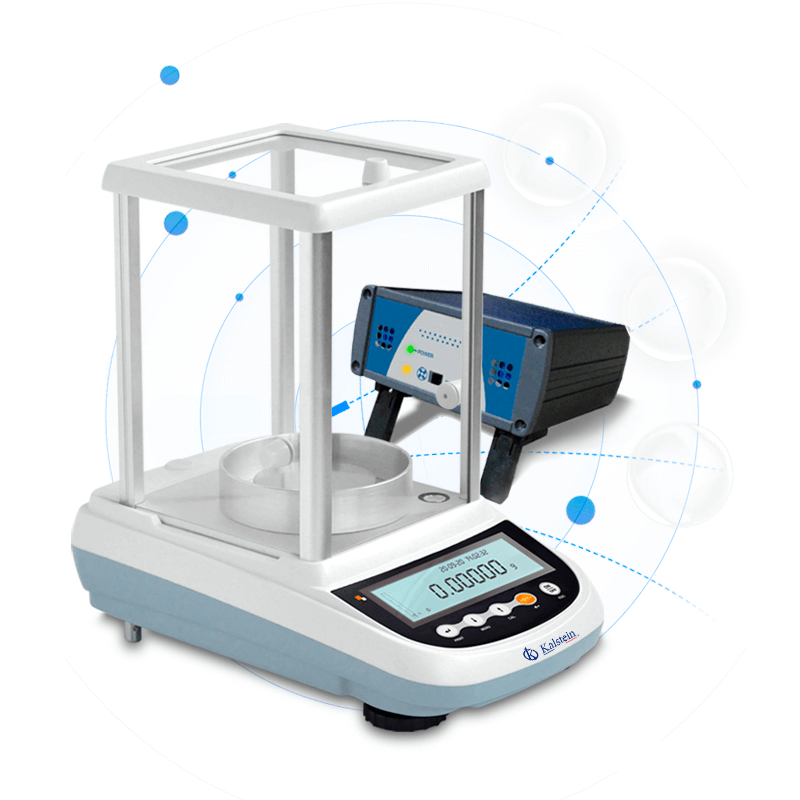
Semimicro Balances: Practical Applications and Techniques in 2026
What is it used for in 2026
Semimicro balances are precision instruments essential for measuring small masses, typically in the range of milligrams and micrograms. In clinical and laboratory settings, these balances are crucial for tasks such as formulating chemical solutions, preparing samples for assays, and conducting research that requires high accuracy.
In 2026, their applications extend to pharmaceutical development, academic research, and quality control in manufacturing sectors. These balances help improve productivity and accuracy, ensuring that laboratory workflows are efficient and reliable.
History and evolution of the technology
The evolution of semimicro balances traces back to the early 20th century when precision measurements became essential in scientific research. With advancements in electronics and materials science, modern semimicro balances have evolved to incorporate advanced features such as internal calibration, data storage, and user-friendly interfaces.
Over the decades, these balances have transitioned from manual operation to automated systems, enhancing their accuracy and usability. The introduction of digital displays, connectivity options, and improved sensitivity has made semimicro balances indispensable in today's laboratories.
How to use it step by step
Using a semimicro balance effectively requires following a series of steps to ensure accuracy and reliability:
- Preparation: Ensure the balance is placed on a stable surface, away from drafts and vibrations.
- Power on: Turn on the device and allow it to warm up if necessary for optimal performance.
- Calibration: Perform internal or external calibration as required, confirming that the balance is accurate.
- Taring: Place an empty container on the balance and tare it to zero.
- Weighing: Carefully add the sample to the container and record the weight displayed.
- Data storage: Use the balance's data management features to store or transfer your results as needed.
- Clean up: Remove the sample and clean the balance according to the manufacturer's instructions.
Best techniques and protocols
Adopting best practices when using semimicro balances can significantly enhance measurement accuracy:
- Minimize air currents: Use a draft shield to protect the sample from air fluctuations.
- Temperature control: Perform measurements at a consistent temperature to avoid fluctuations in density.
- Regular calibration: Schedule routine calibrations to maintain the balance's accuracy over time.
- Use appropriate containers: Choose containers that minimize tare weight and are suitable for the sample.
- Consistent techniques: Utilize the same weighing techniques for reproducibility in results.
Practical applications by laboratory type
Semimicro balances are utilized across various laboratory types, each with specific applications:
- Pharmaceutical Laboratories: Used for precise formulation of drugs and compounds.
- Research Institutions: Employed for various experiments requiring accurate mass measurements.
- Clinical Labs: Essential for preparing samples and reagents in diagnostic testing.
- Quality Control Labs: Used to verify product consistency and compliance with standards.
Regulations, standards and certifications
Compliance with regulations and standards is critical when using semimicro balances. Major guidelines include:
- ISO 17025: Ensures the competence of testing and calibration laboratories.
- GLP (Good Laboratory Practice): Governs the organizational process and conditions under which laboratory studies are planned, performed, monitored, recorded, and reported.
- FDA Guidelines: Outlines requirements for the pharmaceutical industry regarding testing and validation of balances.
Comparison with alternative technologies
When comparing semimicro balances with alternative weighing technologies, several factors come into play:
- Precision: Semimicro balances offer higher precision compared to standard balances, making them ideal for scientific research.
- Capacity: While alternative technologies may handle larger weights, semimicro balances excel in small mass applications.
- Usability: Advanced features in semimicro balances, such as automatic calibration and data management, enhance their usability in labs.
Comparison of available models
| Model | Best for | Key specs | Recommended use case |
|---|---|---|---|
| YR05562 | Formulating chemical solutions | Capacity: 62g/120g, Resolution: 0.01mg/0.1mg | Ideal for academic and pharmaceutical labs where precision is crucial. |
| YR05563 | Quality control testing | Capacity: 82g/220g, Resolution: 0.01mg | Best for manufacturing settings needing high precision in weight measurement. |
| YR05564 | Research applications | Capacity: 102g/220g, Resolution: 0.01mg | Suitable for laboratory research requiring high accuracy and repeatability. |
| YR05565 | Sample preparation | Capacity: 122g, Resolution: 0.01mg | Effective for clinical labs preparing samples for analysis. |
| YR05566 | Pharmaceutical development | Capacity: 162g, Resolution: 0.01mg | Ideal for drug formulation and testing in pharmaceutical labs. |
| YR05567 | Advanced research | Capacity: 202g, Resolution: 0.01mg | Best for high-end academic research needing utmost precision. |
Common mistakes and how to avoid them
When operating semimicro balances, note the following common mistakes:
- Ignoring calibration: Always ensure the balance is calibrated before use to maintain accuracy.
- Improper placement: Avoid placing the balance near drafts or vibrations; use a dedicated weighing bench if possible.
- Neglecting cleanliness: Regularly clean the balance to prevent contamination from previous samples.
- Inconsistent weighing techniques: Maintain a uniform technique for every measurement to ensure reproducibility.
Maintenance, calibration and good practices 2026
Regular maintenance and calibration are vital for the longevity and accuracy of semimicro balances:
- Daily checks: Perform daily checks to ensure the balance is zeroed and calibrated.
- Routine maintenance: Schedule regular maintenance checks with qualified personnel to avoid technical issues.
- Proper storage: When not in use, cover the balance to protect it from dust and contaminants.
Cost-benefit analysis 2026
Investing in a semimicro balance can offer considerable benefits:
- Increased accuracy: Provides precise measurements that can improve research outcomes and product quality.
- Efficiency: Advanced features reduce the time spent on calibration and data management.
- Long-term savings: Higher precision can minimize waste and errors, leading to cost savings in the long run.
Frequently asked questions
What should I consider when choosing a semimicro balance?
Consider factors such as capacity, resolution, and specific features like internal calibration and connectivity options to match your laboratory's needs.
How can I ensure accurate measurements with a semimicro balance?
Ensure regular calibration, use appropriate containers, and maintain a consistent weighing technique to achieve the most accurate measurements.
What is the importance of calibration in semimicro balances?
Calibration is critical for ensuring the accuracy and reliability of measurements, helping to maintain compliance with industry standards.
Can semimicro balances be used in field applications?
While primarily designed for laboratory use, some models may be suitable for field applications, but stability and environmental factors should be considered.
How often should semimicro balances be calibrated?
Calibration frequency can vary, but it is recommended to calibrate before each use or at least once a week depending on the usage level.
What are the best practices for cleaning a semimicro balance?
Use a soft, lint-free cloth and approved cleaning solutions to gently clean the balance, avoiding any harsh chemicals that could damage sensitive components.
How can I optimize the use of a semimicro balance in my laboratory?
Adopt consistent protocols, regularly maintain and calibrate the equipment, and train staff adequately on its operation to optimize its use.
If you are looking for a fusion of innovation and quality, you have come to the right place. At Kalstein, we offer you the luxury of exploring our exclusive catalog of laboratory equipment. We manufacture every device to the highest standards of excellence. Our intuitive and seamless online purchasing channels are designed for your convenience, securing the most competitive prices. Hesitate no longer — we bring science to life, it is time to become part of our community.