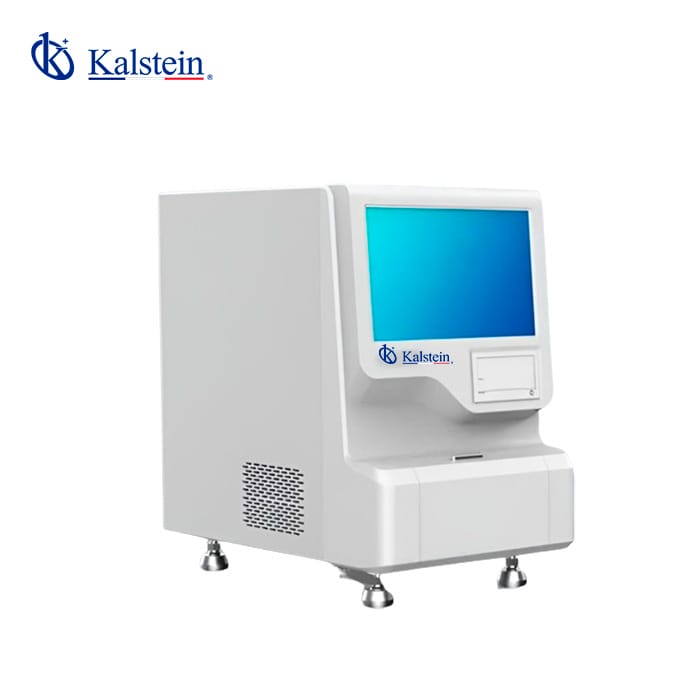
Regulatory Compliance and ISO/IEC Standards for Chemiluminescent Immunoassay Analyzers
In today’s clinical laboratories, ensuring compliance with ISO/IEC standards is paramount for the accuracy and reliability of diagnostic results. Chemiluminescent immunoassay analyzers are pivotal in this domain, offering rapid and sensitive detection of various biomolecules. This article delves into the regulatory landscape surrounding these analyzers, emphasizing the relevance of compliance with ISO/IEC standards, particularly focusing on ISO 17025 and IEC 61010.
Understanding ISO/IEC Standards in Clinical Laboratories
ISO/IEC standards provide an internationally recognized framework for quality management and technical requirements for laboratories. ISO 17025, for instance, outlines the competencies required for testing and calibration laboratories, ensuring their reliability and consistency. Compliance with these standards not only enhances the laboratory's credibility but also improves patient safety by ensuring accurate test results.
IEC 61010 focuses on the safety requirements for electrical equipment used in measurement, control, and laboratory use. These regulations are critical for ensuring the safe operation of chemiluminescent immunoassay analyzers, which often operate in environments with strict safety protocols.
ISO 17025 Compliance and Its Importance
ISO 17025 compliance signifies that a laboratory is capable of producing precise and accurate test results. Laboratories utilizing chemiluminescent immunoassay analyzers, such as the YR06387 and YR06388 models, must adhere to this standard to ensure that their testing processes are validated and their results are trustworthy. The ability to maintain traceability and perform regular audits is a critical aspect of this compliance.
The analyzer YR06387, for example, is not only designed for high throughput but also incorporates features that enhance compliance with ISO 17025, such as its robust data management system and built-in quality control functionalities.
IEC 61010 and Safety Compliance for Analyzers
IEC 61010 covers safety requirements crucial for chemical testing equipment. Chemiluminescent immunoassay analyzers must meet these standards to minimize risks related to electrical safety and operational hazards. The YR06388 model stands out in this regard, featuring double independent chambers to ensure safe handling during emergency operations while maintaining compliance with IEC regulations.
Comparison of Available Models
| Model Code | ISO/IEC Clauses Covered | Traceability Features | Best For |
|---|---|---|---|
| YR06387 | ISO 17025, IEC 61010 | Data management system | Clinical laboratories requiring high throughput |
| YR06388 | ISO 17025, IEC 61010 | Real-time quality control | Emergency testing environments |
| YR06389 | ISO 17025 | Calibration data storage | Outpatient inspection laboratories |
| YR06390 | ISO 17025 | Integrated calibration | High-demand clinical settings |
| YR06710 | IEC 61010 | Smart calibration features | Compact space laboratories |
Common Mistakes and How to Avoid Them
Laboratories often overlook the importance of regular audits and documentation when aiming for compliance with ISO/IEC standards. Failing to keep up with the calibration schedules can lead to discrepancies in test results. It is essential to implement a proactive approach toward quality management, ensuring that all testing equipment, including chemiluminescent immunoassay analyzers, undergoes regular maintenance and verification.
Another common mistake is inadequate training of personnel on compliance protocols. Training should include comprehensive knowledge of how to operate each model according to its specifications while adhering to the relevant standards. Proper training reduces risks and enhances the reliability of results.
Frequently Asked Questions
What are the key ISO/IEC standards for chemiluminescent immunoassay analyzers?
The key ISO/IEC standards for these analyzers include ISO 17025, which ensures testing accuracy and IEC 61010, which focuses on electrical safety. Models like YR06387 and YR06388 comply with these standards, providing reliable and safe operations in clinical laboratories.
How does ISO 17025 impact the operation of immunoassay analyzers?
ISO 17025 mandates that laboratories must demonstrate their ability to produce valid results. This impacts models like YR06390, which feature integrated calibration and data management systems, ensuring traceability and accuracy in test results.
Which chemiluminescent immunoassay analyzer is best for meeting IEC 61010 requirements?
The YR06710 model is particularly designed to meet IEC 61010 requirements with its compact design and safety features, making it ideal for use in environments where space and safety are critical, such as emergency departments.
How do chemiluminescent immunoassay analyzers ensure traceability for ISO compliance?
Models like YR06389 ensure traceability for ISO compliance through robust data management features, allowing laboratories to maintain accurate records of calibration and quality control processes, essential for ISO 17025 compliance.
What training is necessary for operating Chemiluminescent Immunoassay Analyzers?
Personnel need comprehensive training on the specific models used, including operating protocols, compliance requirements, and safety standards such as ISO 17025 and IEC 61010, essential for effective laboratory performance.
How often should calibration be performed on immunoassay analyzers?
Calibration frequency depends on the model and laboratory standards, but typically, models like YR06387 and YR06388 should be calibrated regularly according to the manufacturer's recommendations to ensure compliance with ISO 17025.
What are the main benefits of using compliant immunoassay analyzers in laboratories?
Using compliant analyzers like the YR06390 enhances the reliability of test results, improves patient safety, and increases laboratory credibility. Compliance with ISO/IEC standards ensures that laboratories meet high-quality benchmarks necessary for accreditation.
How can laboratories ensure they stay updated with ISO/IEC compliance?
Laboratories can ensure they stay updated by implementing regular training sessions, subscribing to industry updates, and conducting frequent internal audits to maintain compliance with ISO and IEC standards for their chemiluminescent immunoassay analyzers.
If you are looking for a fusion of innovation and quality, you have come to the right place. At Kalstein, we offer you the luxury of exploring our exclusive catalog of laboratory equipment. We manufacture every device to the highest standards of excellence. Our intuitive and seamless online purchasing channels are designed for your convenience, securing the most competitive prices. Hesitate no longer — we bring science to life, it is time to become part of our community.