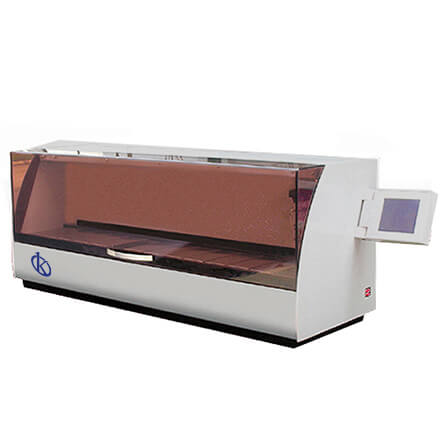
Predictive Maintenance and Recommended Calibration for Automatic Slide Stainers in 2026
The advancement of laboratory technology necessitates a proactive approach to equipment management, particularly in automatic slide stainers. These devices, crucial for pathological anatomy, demand regular predictive maintenance and calibration to ensure accuracy and efficiency. This article delves into the critical aspects of predictive maintenance and the recommended calibration processes necessary for optimal performance in 2026.
Understanding Predictive Maintenance for Automatic Slide Stainers
Predictive maintenance involves monitoring the condition of equipment to predict when maintenance should be performed. This approach minimizes downtime and extends the life of laboratory instruments. By regularly assessing the health of automatic slide stainers, laboratories can prevent unexpected failures. For instance, the YR435 model offers features that simplify maintenance tracking, including a user-friendly LCD touch screen that allows operators to set reminders for calibration and routine checks.
Key Calibration Protocols to Follow
Calibration is essential for ensuring that automatic slide stainers produce consistent and accurate results. Standard protocols should include calibration of temperature settings, timing functions, and reagent application volumes. For example, the YR436-1 model's temperature control accuracy is ±1%, which is vital for reproducibility in staining procedures. Establishing a routine calibration schedule—typically every 6 to 12 months—can help maintain compliance with industry standards.
Benefits of Predictive Maintenance in Automatic Slide Stainers
Implementing predictive maintenance tactics can lead to reduced operational costs and increased efficiency. The use of high-quality components, like those found in the YR435-1 automatic slide staining system, allows for minimized wear and tear, resulting in lower energy consumption and fewer repairs over time. Additionally, predictive maintenance schedules can reduce the need for extensive training by simplifying the maintenance process.
Calibration Frequencies and Guidelines
Calibration frequency should be based on the equipment's usage levels and the laboratory's operational demands. Guidelines suggest calibrating automatic slide stainers like the YR435 every 3 to 6 months, especially in high-throughput environments. A detailed log should be maintained to document every calibration event, ensuring traceability in compliance with ISO standards.
Integration of Technology in Maintenance Processes
Modern automatic slide stainers incorporate advanced technology to facilitate maintenance. Features such as automated calibration reminders and system diagnostics can enhance the predictive maintenance process. The YR436-1, for example, provides a comprehensive interface that allows laboratory staff to monitor the status of various operational parameters. This proactive monitoring aids in identifying potential issues before they lead to failure.
Comparison of Available Models
| Model | Calibration Frequency (Months) | Maintenance Features | Best For |
|---|---|---|---|
| YR435 | 6 | LCD touch screen for reminders | High-volume labs |
| YR435-1 | 3 | Automated diagnostics | Specialty staining |
| YR436-1 | 12 | Intuitive interface | Compact spaces |
Common Mistakes and How to Avoid Them
Common pitfalls in maintaining automatic slide stainers include neglecting regular calibration and failing to document maintenance activities. Laboratories should establish clear protocols for both predictive maintenance and calibration. Ensuring that staff are trained in these protocols can prevent errors and enhance the reliability of results. Utilizing models like the YR435-1 with built-in diagnostics can further reduce the chance of oversight.
Frequently Asked Questions
How can predictive maintenance improve the efficiency of automatic slide stainers in 2026?
Predictive maintenance enhances the efficiency of automatic slide stainers, such as the YR436-1, by reducing unexpected downtime and ensuring optimal operational conditions. This approach allows labs to schedule maintenance proactively, minimizing disruptions to workflow.
What is the recommended calibration frequency for the YR435 automatic slide stainer?
The YR435 is recommended to be calibrated every 6 months. This frequency helps maintain accuracy in staining processes, ensuring compliance with laboratory standards and reducing the risk of errors.
How does the YR436-1 model assist with predictive maintenance in laboratories?
The YR436-1 model assists with predictive maintenance through its intuitive interface that provides automated diagnostics. This feature allows operators to monitor equipment status and receive alerts for necessary maintenance, streamlining operations in busy laboratories.
What are the consequences of neglecting calibration for automatic slide stainers?
Neglecting calibration can lead to inaccurate staining results, impacting diagnostic accuracy. For example, without proper calibration, the YR435-1 could produce inconsistent staining, affecting both research quality and patient outcomes.
Why is it important to document calibration and maintenance of automatic slide stainers?
Documenting calibration and maintenance activities is crucial for traceability and compliance with industry standards. For instance, ISO regulations require thorough records, which can be easily maintained using models like the YR435 that feature built-in logging capabilities.
How does predictive maintenance impact the cost of operating an automatic slide stainer?
Predictive maintenance can significantly reduce operating costs by preventing breakdowns and extending equipment lifespan. Models such as the YR435-1, designed for ease of maintenance, can help labs save money both on repairs and downtime.
What role does technology play in the calibration of automatic slide stainers?
Technology plays a pivotal role in the calibration of automatic slide stainers by automating processes and providing real-time data. The YR436-1, for instance, offers an integrated system that enhances the calibration process, making it more efficient and accurate.
How often should the YR435-1 be calibrated to ensure optimal performance?
The YR435-1 should be calibrated every 3 months to ensure optimal performance, particularly in laboratories that perform frequent staining operations. This regular maintenance ensures accuracy and reliability in test results.
If you are looking for a fusion of innovation and quality, you have come to the right place. At Kalstein, we offer you the luxury of exploring our exclusive catalog of laboratory equipment. We manufacture every device to the highest standards of excellence. Our intuitive and seamless online purchasing channels are designed for your convenience, securing the most competitive prices. Hesitate no longer — we bring science to life, it is time to become part of our community.