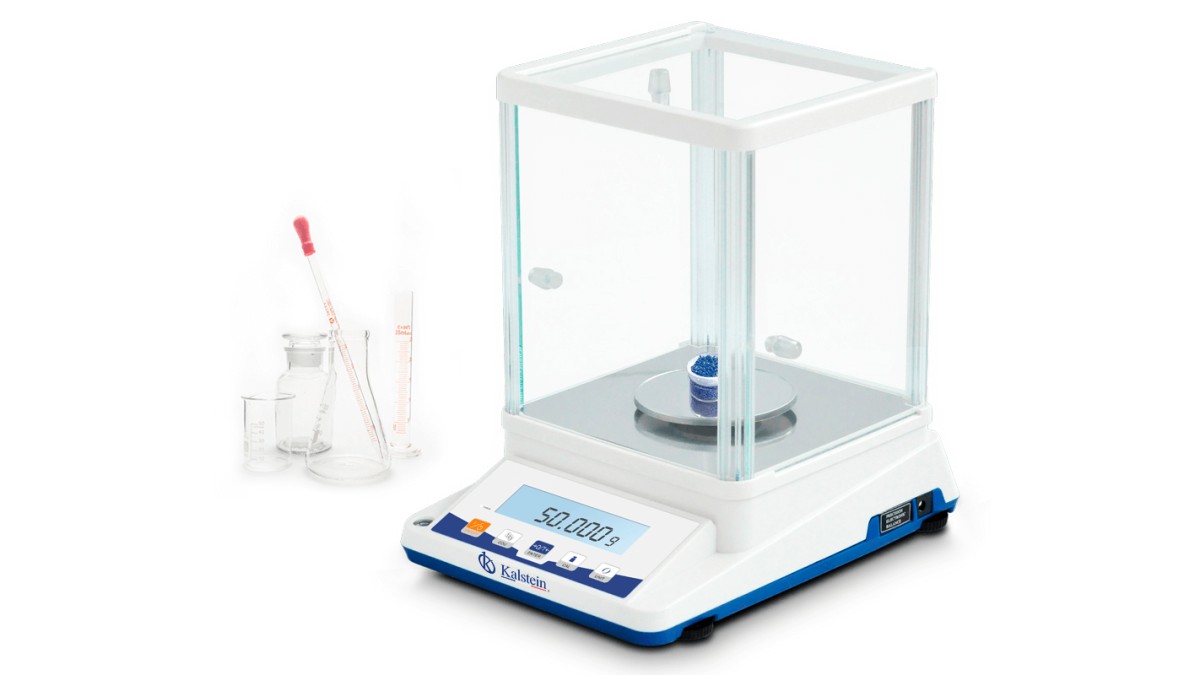
Precision Balances: Best Techniques and Protocols in 2026
What is it used for in 2026
In 2026, precision balances are vital tools in laboratories, primarily used for precise measurements of mass. They are essential in various applications such as pharmaceutical research, chemical analysis, food processing, and educational institutions. Their high accuracy and resolution make them ideal for tasks requiring meticulous weight measurements, such as formulation of reagents, quality control, and research experiments.
History and evolution of the technology
The evolution of precision balances dates back to the early days of weighing technology. Initially, balances were simple mechanical devices. However, with advancements in electronics and materials science, modern precision balances have emerged. They now feature digital readouts, load sensors, and advanced calibration techniques, enhancing accuracy and user convenience. The integration of software for data analysis and connectivity to laboratory systems marks the latest evolution, allowing for more efficient workflows.
How to use it step by step
Using a precision balance involves several steps to ensure accurate measurements:
- Calibration: Always calibrate the balance before use, preferably daily, using certified calibration weights.
- Leveling: Ensure the balance is on a stable, level surface to avoid errors in measurement.
- Zeroing: Tare the balance after placing the weighing vessel to eliminate its weight from the measurement.
- Weighing: Gently place the sample on the balance pan, and wait for the reading to stabilize before recording the weight.
- Data Recording: Document the weight accurately in your laboratory notebook or electronic data management system.
- Cleaning: Clean the balance after use to prevent contamination from residues.
Best techniques and protocols
To achieve optimal results with precision balances, consider the following techniques and protocols:
- Perform regular maintenance and calibration to ensure accuracy.
- Avoid drafts and vibrations by using the balance in a controlled environment.
- Use anti-static devices when weighing powders or fine materials to prevent erroneous measurements.
- Keep the balance free from contaminants and residues for reliable performance.
- Utilize dual display options for enhanced visibility and ease of use.
Practical applications by laboratory type
Different laboratories utilize precision balances in varied ways:
- Chemical Laboratories: For precise formulation of chemical compounds and reagents.
- Pharmaceutical Laboratories: Essential for drug formulation and quality control testing.
- Food Testing Laboratories: Used for measuring ingredient quantities in product formulation and nutritional analysis.
- Educational Institutions: Employed in teaching students about mass measurement and laboratory practices.
Regulations, standards and certifications
Precision balances must comply with various regulations and standards, including:
- ISO 9001 for quality management systems.
- ISO/IEC 17025 for testing and calibration laboratories.
- Good Manufacturing Practices (GMP) in pharmaceutical settings.
- National metrology standards for accuracy verification.
Comparison with alternative technologies
While precision balances are highly accurate, there are alternative technologies such as analytical balances and load cells. Analytical balances offer higher precision and are suitable for micro-scale measurements, but are more expensive and sensitive to environmental factors. Load cells, on the other hand, are often used in industrial applications and can handle larger weights but may lack the resolution of precision balances.
Comparison of available models
| Model | Best for | Key specs | Recommended use case |
|---|---|---|---|
| YR05584 | General laboratory use | Capacity: 110g, Readability: 0.001g | Formulating small quantities of chemicals |
| YR05585 | Multiple applications | Capacity: 210g, Readability: 0.001g | Quality control in manufacturing processes |
| YR05586 | Advanced weighing needs | Capacity: 310g, Readability: 0.001g | Research and development in laboratories |
| YR05587 | High capacity weighing | Capacity: 610g, Readability: 0.001g | Industrial applications requiring high accuracy |
| YR05588 | Compact weighing solutions | Capacity: 210g, Readability: 0.01g | Fieldwork or small laboratory setups |
| YR05589 | Standard applications | Capacity: 310g, Readability: 0.01g | Routine laboratory tasks |
Common mistakes and how to avoid them
Here are some common mistakes when using precision balances and how to avoid them:
- Not calibrating: Ensure daily calibration to maintain accuracy.
- Ignoring environmental factors: Place balances in draft-free, vibration-free locations.
- Improper taring: Always tare before weighing to exclude the container weight.
- Neglecting cleaning: Regularly clean the balance to prevent contamination.
Maintenance, calibration and good practices 2026
In 2026, maintaining precision balances requires:
- Regular calibration with certified weights.
- Frequent cleaning of the balance surface and surrounding area.
- Periodic checks against standard weights to verify performance.
- Training for all users to follow standardized operating procedures.
Cost-benefit analysis 2026
Investing in precision balances in 2026 provides significant benefits:
- Enhanced accuracy leads to better quality products and research outcomes.
- Time savings from reduced errors and rework.
- Compliance with regulatory standards can prevent costly penalties.
- Long-term durability of high-quality balances can reduce replacement costs.
Frequently asked questions
How do I choose the right precision balance for my laboratory?
Consider your specific weighing needs, such as capacity, readability, and the types of materials you will be weighing. Evaluate your budget and the features necessary for your laboratory applications.
What is the importance of calibration in precision balances?
Calibration ensures that your precision balance provides accurate readings, which is crucial for maintaining data integrity in laboratory results and compliance with regulations.
Can I use a precision balance in a fume hood?
While it is possible, ensure the balance is placed in a stable and level position. Avoid drafts and ensure that materials are not subjected to airborne contaminants.
How often should I clean my precision balance?
Clean your precision balance daily, or more frequently if working with powders or liquids that may leave residues. Follow the manufacturer's recommendations for cleaning agents.
What are the key features to look for in a precision balance?
Look for features such as high readability, calibration options, data connectivity, and user-friendly interfaces. Additionally, consider the balance's capacity and size based on your specific needs.
Is it necessary to train staff on the use of precision balances?
Yes, proper training is essential for accurate measurements and to minimize errors in weighing, ensuring that staff understand best practices and operational procedures.
What considerations should I keep in mind for precision balance maintenance?
Regular calibration, cleaning, and preventative maintenance are crucial. Ensure the balance is used under proper environmental conditions to extend its lifespan and maintain accuracy.
If you are looking for a fusion of innovation and quality, you have come to the right place. At Kalstein, we offer you the luxury of exploring our exclusive catalog of laboratory equipment. We manufacture every device to the highest standards of excellence. Our intuitive and seamless online purchasing channels are designed for your convenience, securing the most competitive prices. Hesitate no longer — we bring science to life, it is time to become part of our community.