Portable Ion Meters: Practical Applications and Techniques 2026
What is it used for in 2026
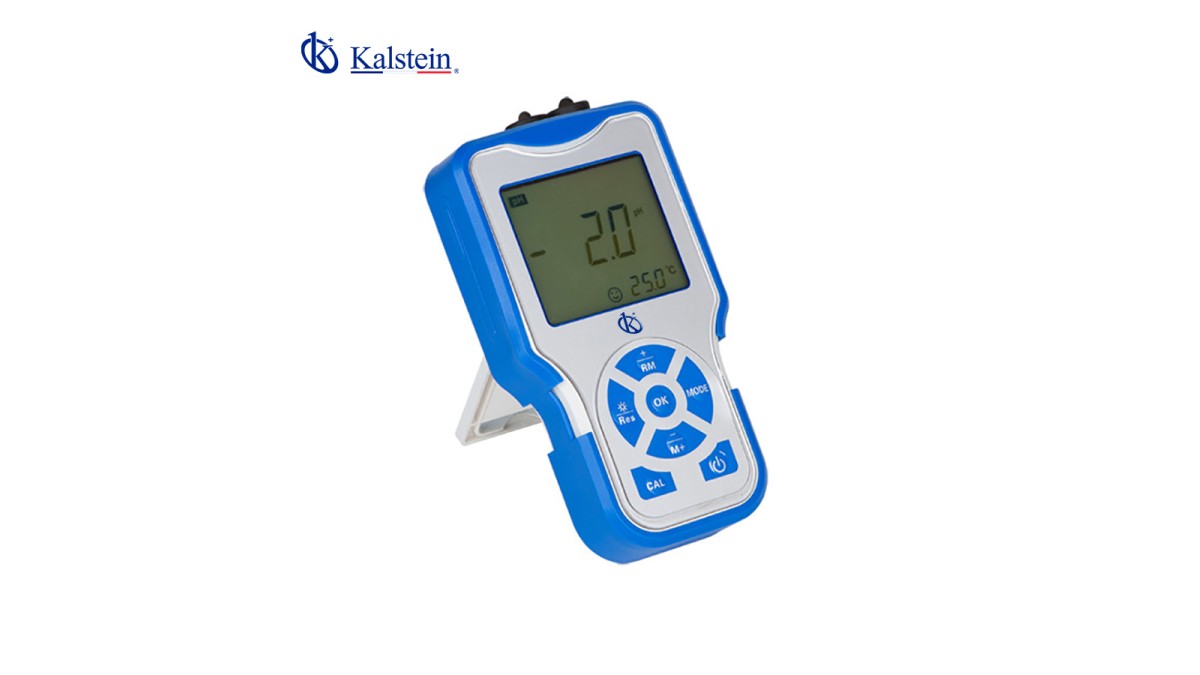
In 2026, Portable Ion Meters are essential tools in laboratories for measuring the concentration of ions in various solutions. They are widely used in fields such as environmental monitoring, agriculture, food and beverage quality control, and educational laboratories. These meters allow for on-the-spot analysis, providing immediate results that are crucial for making quick decisions in research and testing environments.
History and evolution of the technology
The evolution of Portable Ion Meters has been remarkable since their inception. Initially developed for basic pH measurements, advancements in ion-selective electrode technology have enhanced their capabilities to analyze a wider range of ions with higher accuracy. Over the years, features such as digital displays, advanced calibration methods, and data logging have transformed these devices into indispensable laboratory tools, making them user-friendly and reliable.
How to use it step by step
Using Portable Ion Meters involves several critical steps to ensure accurate measurements:
- Calibrate the meter according to the manufacturer's instructions, typically using standard solutions.
- Prepare the sample by ensuring it is at the correct temperature and free from particulates.
- Submerge the electrode into the solution and wait for the reading to stabilize.
- Record the measurement and repeat the process for different samples if necessary.
- Clean the electrode after use to maintain accuracy for future measurements.
Best techniques and protocols
To ensure the best results when using Portable Ion Meters, laboratory professionals should follow these protocols:
- Always calibrate the device before each use, especially after long periods of inactivity.
- Use high-quality reference materials for calibration to enhance reliability.
- Conduct measurements at controlled temperatures to minimize variations.
- Regularly maintain the electrodes and replace them as necessary to avoid drift in readings.
Practical applications by laboratory type
Different laboratories utilize Portable Ion Meters in various applications:
- Environmental Laboratories: Monitor water quality for pollutants and ensure compliance with environmental regulations.
- Agricultural Laboratories: Assess soil properties and nutrient levels to optimize crop production.
- Food and Beverage Testing: Analyze product quality and safety by measuring ion concentrations.
- Educational Laboratories: Provide hands-on learning experiences for students in chemistry and environmental science courses.
Regulations, standards and certifications
Portable Ion Meters must comply with various standards and regulations, including ISO and ASTM guidelines. These ensure the accuracy of measurements and reliability of results in professional settings. Laboratories should also ensure that their equipment is calibrated regularly and certified by recognized bodies.
Comparison with alternative technologies
While Portable Ion Meters are versatile, other technologies exist for ion analysis:
- Benchtop Ion Meters: Offer higher accuracy but are not suitable for field use.
- Colorimetric Tests: More labor-intensive and often less precise than ion meters.
- Conductivity Meters: Useful for measuring ionic strength but not specific to individual ions.
Comparison of available models
| Model | Best for | Key specs | Recommended use case |
|---|---|---|---|
| YR01816 | General ion concentration | Precision: ± 0.5% FS | Measuring various ions in different solutions |
| YR01817-1 | Ammonium ion measurement | Calibration of 2 to 5 points | Outdoor applications for ammonium analysis |
| YR01817-10 | Advanced ammonium ion measurement | Precision: ± 0.5% FS | High precision measurement in lab or field |
| YR01817-11 | Varied ammonium tests | Multiple calibration options | Versatile testing for ammonium in different settings |
| YR01817-12 | Complex ammonium analysis | Precision: ± 0.5% FS | Comprehensive ammonium testing in labs |
| YR01817-13 | Professional ammonium analysis | Calibration with high precision | Professional settings requiring detailed ion analysis |
Common mistakes and how to avoid them
Here are some common pitfalls and how to steer clear of them:
- Skipping Calibration: Always calibrate before use to ensure measurement accuracy.
- Neglecting Maintenance: Regularly clean and maintain electrodes to prolong their lifespan.
- Ignoring Temperature Effects: Measure at consistent temperatures to avoid inaccurate readings.
Maintenance, calibration and good practices 2026
In 2026, effective maintenance and calibration are crucial for optimal performance:
- Use certified standard solutions for calibration.
- Check electrodes for damage and replace them if necessary.
- Store the equipment according to the manufacturer's guidelines to prevent contamination and damage.
Cost-benefit analysis 2026
Investing in Portable Ion Meters has a favorable cost-benefit profile. Although initial costs can vary, the time savings and accuracy achieved through real-time measurements outweigh the investment. Additionally, the ability to perform on-site tests reduces the need for laboratory transport, saving on logistical expenses.
Frequently asked questions
What factors should I consider when choosing a Portable Ion Meter?
Consider the specific ions you need to measure, the required accuracy, and whether you need additional features such as data logging or multi-point calibration.
How do I properly calibrate a Portable Ion Meter?
Follow the manufacturer’s instructions using standard solutions that bracket the expected ion concentration in your samples.
Can I use Portable Ion Meters for different types of ions?
Yes, many Portable Ion Meters are designed to measure a variety of ions, but ensure you have the correct electrode for each ion type.
How often should I maintain my Portable Ion Meter?
Regular maintenance is recommended after every use, and thorough calibration should be performed at least once a month or before significant testing.
Are there specific storage requirements for Portable Ion Meters?
Yes, store the meter in a protective case and keep the electrode hydrated according to the manufacturer’s guidelines.
What is the expected lifespan of a Portable Ion Meter?
With proper maintenance and care, a Portable Ion Meter can last several years, but the electrodes may need to be replaced more frequently depending on usage.
If you are looking for a fusion of innovation and quality, you have come to the right place. At Kalstein, we offer you the luxury of exploring our exclusive catalog of laboratory equipment. We manufacture every device to the highest standards of excellence. Our intuitive and seamless online purchasing channels are designed for your convenience, securing the most competitive prices. Hesitate no longer — we bring science to life, it is time to become part of our community.