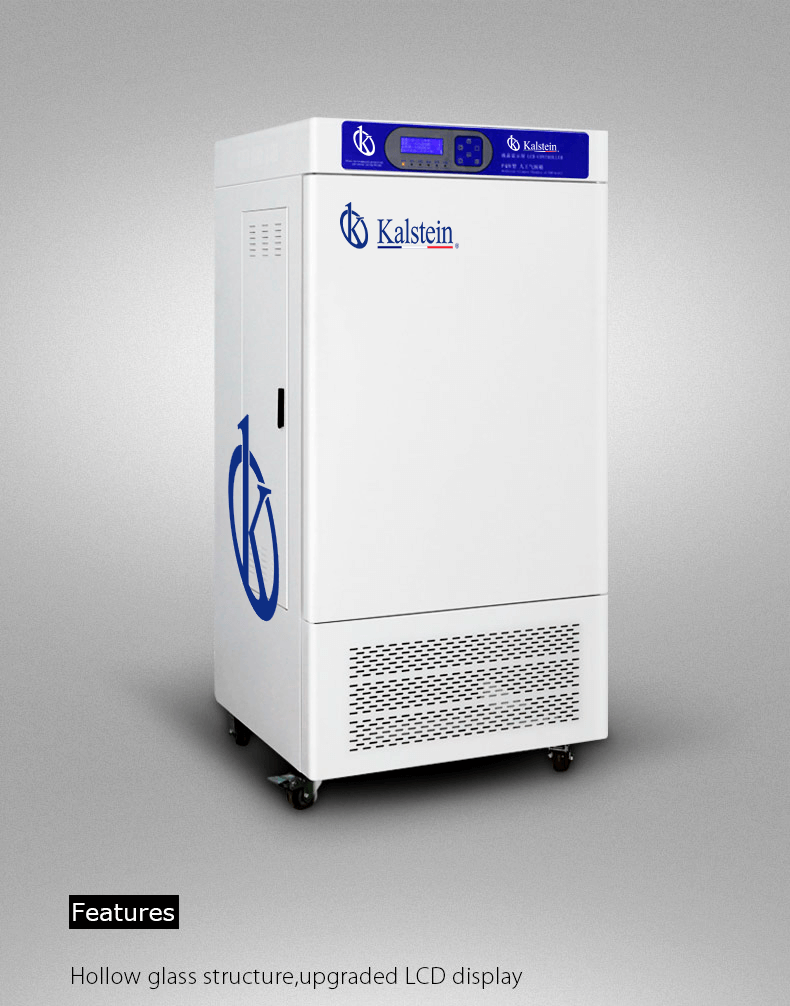
Plant Growth Chambers: Best Techniques and Protocols in 2026
What is it used for in 2026
In 2026, Plant Growth Chambers are essential for a wide range of applications in research and production. These chambers provide controlled environments that simulate various climatic conditions necessary for plant growth, allowing scientists and agricultural professionals to optimize conditions for seed germination, plant cultivation, and biological research. Typical uses include testing the effects of temperature and light on plant growth, conducting experiments with bacteria and microbes, and ensuring optimal conditions for the feeding of animals and insects.
History and evolution of the technology
The technology behind Plant Growth Chambers has evolved significantly over the years. Initially, simple greenhouses were used to extend the growing season, but advancements led to more sophisticated solutions with precise control over environmental parameters. The introduction of digital controllers and advanced lighting systems has revolutionized the way these chambers operate, allowing for real-time adjustments to temperature, humidity, and light levels, catering to the specific needs of different plant species.
How to use it step by step
Using a Plant Growth Chamber involves several key steps:
- Set Up: Choose an appropriate location for the chamber that provides stable power and access. Ensure the chamber is clean and free from contaminants.
- Calibration: Before use, calibrate the temperature and humidity sensors according to the manufacturer's instructions to ensure accurate readings.
- Load Samples: Place plants or seeds in the chamber. Ensure they are spaced adequately to allow for air circulation and light penetration.
- Set Parameters: Use the control panel to set desired temperature, humidity, and light intensity. Refer to specific plant requirements for optimal conditions.
- Monitor: Continuously monitor conditions inside the chamber using built-in sensors. Make adjustments as necessary based on growth observations.
- Data Collection: Record data on plant growth, temperatures, and other variables for later analysis.
- Maintenance: Regularly check equipment functionality, replace bulbs, and clean the chamber as needed to prevent contamination.
Best techniques and protocols
To maximize efficiency and effectiveness in using Plant Growth Chambers, the following techniques are recommended:
- Light Management: Utilize adjustable lighting systems that can simulate day/night cycles and different light spectra based on plant requirements.
- Temperature Regulation: Maintain consistent temperatures, especially during critical growth stages. Avoid rapid fluctuations that can stress plants.
- Humidity Control: Adjust humidity levels to match the specific needs of the plants. Tropical plants may require higher humidity compared to arid species.
- Use of CO2: Consider adding CO2 enrichment if growing high-density crops, as this can significantly enhance growth rates.
Practical applications by laboratory type
Plant Growth Chambers find applications across various laboratory types including:
- Agricultural Research Labs: Used for breeding programs and evaluating new crop varieties under controlled conditions.
- Biotechnology Labs: Utilize these chambers for conducting experiments on plant tissue culture and genetic engineering.
- Educational Institutions: Serving as vital tools in teaching students about plant biology and environmental science.
- Pharmaceutical Labs: Employed to study the growth of plants used in medicinal compounds and herbal products.
Regulations, standards and certifications
Compliance with regulations and standards is crucial when operating Plant Growth Chambers. Key guidelines include:
- ISO Standards: Many laboratories follow ISO 9001 for quality management systems and ISO 14001 for environmental management.
- Good Laboratory Practices (GLP): Ensuring that all experiments are conducted in accordance with GLP to maintain integrity and reliability of results.
- EPA Regulations: If using chemicals or pesticides within the chambers, adherence to Environmental Protection Agency guidelines is required.
Comparison with alternative technologies
While Plant Growth Chambers are widely used, there are alternative technologies such as greenhouses and growth tents. Here’s how they compare:
- Greenhouses: Offer natural light but are less controllable in terms of temperature and humidity compared to chambers.
- Growth Tents: Provide a portable and often less expensive option but may lack the precision controls found in dedicated Plant Growth Chambers.
Comparison of available models
| Model | Best for | Key specs | Recommended use case |
|---|---|---|---|
| YR05331 | Seed germination and biological testing | Temperature range: 10~50℃ (with light), 5~60℃ (without light), 900W, 150L capacity | Ideal for small-scale experiments in biology and agriculture. |
| YR05332 | Microbial and plant growth studies | Temperature range: 10~50℃ (with light), 5~60℃ (without light), 1000W, 250L capacity | Suitable for research requiring higher light intensity and temperature control. |
| YR05333 | Large-scale biological experiments | Temperature range: 10~50℃ (with light), 5~60℃ (without light), 1200W, 350L capacity | Best for extensive research projects and commercial applications. |
Common mistakes and how to avoid them
Several common mistakes can hinder the effectiveness of Plant Growth Chambers:
- Inadequate Calibration: Always calibrate sensors before starting an experiment to ensure accurate data.
- Overcrowding: Avoid placing too many plants in the chamber, as this can affect airflow and light distribution.
- Neglecting Maintenance: Regularly maintain and clean the chamber to prevent contamination and equipment failures.
Maintenance, calibration and good practices 2026
To ensure optimal performance of Plant Growth Chambers in 2026, follow these guidelines:
- Regular Checks: Conduct weekly checks on temperature, humidity, and light levels to confirm they remain within desired ranges.
- Scheduled Maintenance: Implement a routine maintenance schedule for cleaning filters, replacing bulbs, and servicing parts.
- Documentation: Keep detailed logs of experiments, including environmental conditions and any alterations made during growth.
Cost-benefit analysis 2026
When evaluating the cost-effectiveness of Plant Growth Chambers in 2026, consider the following:
- Initial Investment: While the upfront cost can be high, the precise control over conditions leads to better yields and faster results.
- Operational Costs: Energy consumption and maintenance should be factored in, but advancements in technology may reduce these costs over time.
- Return on Investment: Enhanced research capabilities and product development can lead to significant financial returns, making these chambers a worthwhile investment.
Frequently asked questions
What is the ideal light spectrum for plant growth in a chamber?
The ideal light spectrum depends on the specific needs of the plants being grown. Generally, a mix of blue and red light promotes photosynthesis and growth.
How often should I calibrate my Plant Growth Chamber?
Calibration should be performed before each experiment and at regular intervals, such as monthly, to ensure accuracy in readings.
Can I use my Plant Growth Chamber for different species of plants?
Yes, but it's essential to adjust environmental conditions such as temperature and humidity based on the specific requirements of each plant species.
What are the signs of equipment malfunction in a Plant Growth Chamber?
Signs of malfunction may include inconsistent temperature readings, failure of lights, or unusual plant growth patterns. Regular monitoring can help identify issues early.
Is it possible to use chemicals inside a Plant Growth Chamber?
Yes, but ensure proper ventilation and adherence to safety protocols to avoid contamination or harm to plants and personnel.
How do I choose the right model of Plant Growth Chamber?
Consider the scale of your experiments, the specific environmental requirements of the plants, and your budget when choosing a model.
What maintenance is necessary for a Plant Growth Chamber?
Routine maintenance includes cleaning, bulb replacement, and sensor calibration to ensure efficient operation.
If you are looking for a fusion of innovation and quality, you have come to the right place. At Kalstein, we offer you the luxury of exploring our exclusive catalog of laboratory equipment. We manufacture every device to the highest standards of excellence. Our intuitive and seamless online purchasing channels are designed for your convenience, securing the most competitive prices. Hesitate no longer — we bring science to life, it is time to become part of our community.