Patient and fetal Monitor
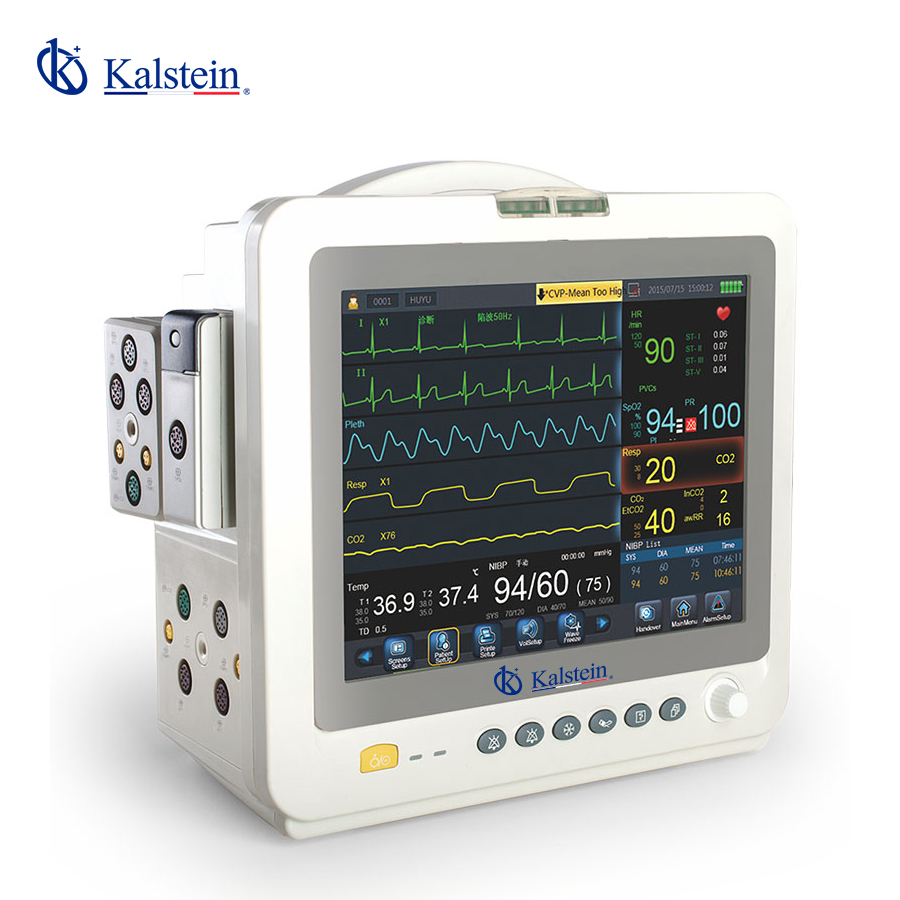
The Patient and Fetal Monitor is an essential tool in healthcare settings, allowing for the continuous observation of patients' vital signs. It plays a crucial role in both prenatal and critical care environments, ensuring that healthcare professionals can respond promptly to any changes in a patient's condition.
Investing in a reliable patient and fetal monitor is vital for improving patient outcomes and enhancing the quality of care. These devices combine advanced technology with user-friendly interfaces, making them indispensable for medical practitioners.
What you should know before selecting a patient and fetal monitor and making an investment
Key factors to consider
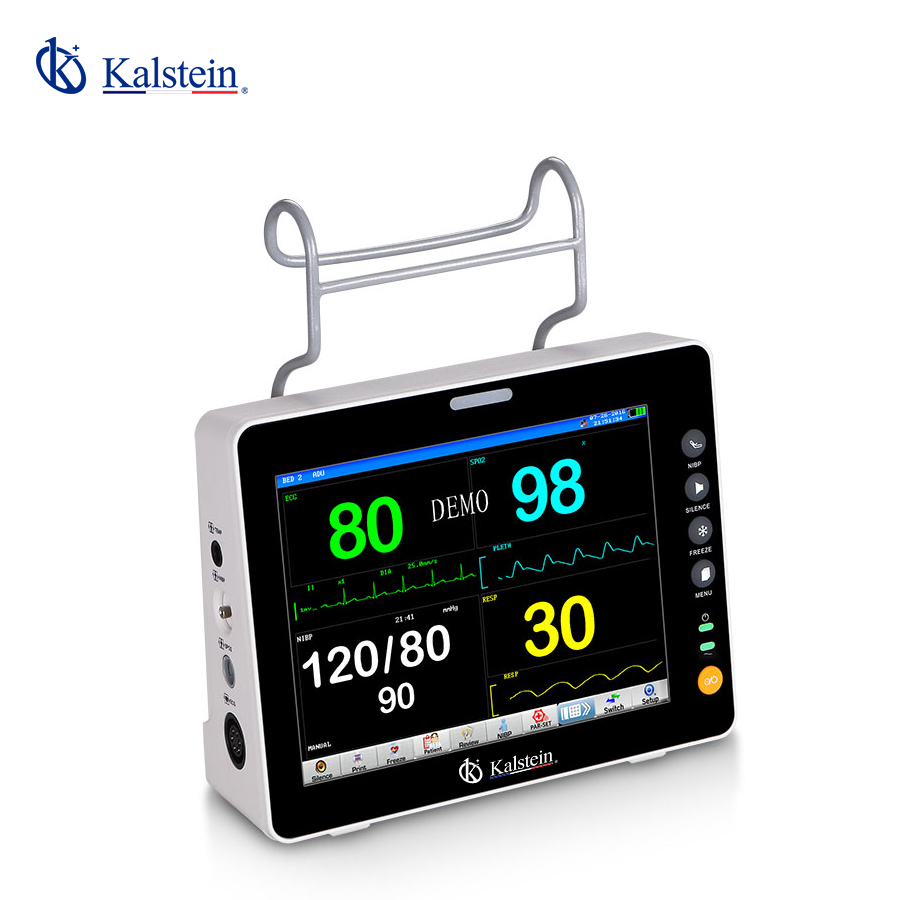
When selecting a patient and fetal monitor, it's essential to evaluate the features that align with clinical needs. Consider factors such as monitoring capabilities, ease of use, and compatibility with existing hospital systems. A good monitor should provide accurate and timely data to ensure optimal patient management.
Moreover, assess the reliability of the device, focusing on its performance in critical situations. Look for monitors that offer multi-parameter readings to provide comprehensive insights into the patient's condition.
Market price range
The market price for patient and fetal monitors varies significantly based on the features and technology offered. Basic models may start from a few hundred dollars, while advanced multi-parameter monitors can reach several thousand. Assessing your budget while considering the required features is crucial.
It's also beneficial to compare prices across different manufacturers and models to find the best value. Remember that investing in quality can lead to long-term savings through reduced maintenance costs and improved patient outcomes.
Value for money
When investing in patient and fetal monitors, understanding the value for money is key. A higher initial investment may provide advanced features and better support, thereby improving patient care. Always consider the total cost of ownership, which includes maintenance, support, and potential upgrades.
A cost-effective monitor should deliver accurate data and have the durability to withstand various clinical environments. Reviews and testimonials can provide insights into the value offered by specific models.
Expected lifespan based on use and maintenance
The expected lifespan of patient and fetal monitors can vary widely based on their design and how well they are maintained. Regular servicing and proper usage can extend the life of these devices significantly, making maintenance a critical aspect of any investment.
Typically, a quality monitor should last several years, but factors such as usage intensity and environmental conditions can impact longevity. It's essential to follow manufacturer guidelines for maintenance to ensure optimal performance over the monitor's lifecycle.
PATIENT AND FETAL MONITOR KALSTEIN
Discover patient and fetal monitor for your laboratory
Explore our range of patient and fetal monitors designed to meet the diverse needs of healthcare professionals. Our monitors offer advanced features that enhance monitoring capabilities and improve patient care in both hospital and clinical settings.
Multi-parameter patient monitor YR02178 // YR02179
The Multi-parameter Patient Monitor YR02178 // YR02179 is a cutting-edge medical device designed to enhance patient care in critical environments like
View productPatient Monitors YR02170 // YR02171 // YR02172
The Patient Monitors YR02170 // YR02171 // YR02172 provide cutting-edge monitoring for patients with their advanced multi-channel display and user-fri
View productOur best-selling patient and fetal monitor
Patient Monitors YR02170 // YR02171 // YR02172
The Patient Monitors YR02170 // YR02171 // YR02172 provide cutting-edge monitoring for patients with their advanced multi-channel display and user-friendly big font interface, facilitating easy readability. These monitors excel in medical settings due to their capabilities, including ST and arrhythmia analysis, drug dose calculations, and a dynamic OxyCRG view display. Additionally, they come equipped with essential features like apnea alarms for respiratory monitoring, a thorough alarm review system, and NIBP overpressure protection. These versatile monitors support both rechargeable battery use and AC/DC operation, with seamless wired or wireless network integration.
Market Price
The Patient Monitors YR02170 series typically range between 73500 USD and 74600 USD. Although prices vary based on features and suppliers, an accurate and competitive quote is always available at Kalstein Plus, where personalized deals can be tailored to your needs.
Frequently Asked Questions
Q: What connectivity options do these monitors offer?
A: These monitors provide flexible connectivity with both wired and wireless network support.
Q: Are these monitors able to operate on battery power?
A: Absolutely, the monitors offer options for plug-in rechargeable batteries in addition to AC/DC operation.
Advantages and Disadvantages
Advantages: High precision and resolution, flexible networking capabilities, and robust alarm systems for improved patient safety.
Disadvantages: The extensive features might necessitate additional training for optimal utilization.
Field Usage
The Patient Monitors of the YR02170 series are indispensable in hospitals and clinics, addressing a wide spectrum of patient monitoring requirements, from ECGs to vital signs and arrhythmia management. Suitable for adult, pediatric, and neonatal care, these monitors provide reliable, real-time monitoring in critical care settings.
Recommendations
To ensure optimal performance, regularly charge the batteries and keep the software updated for smooth network connectivity. It's crucial to familiarize all users with the alarm settings and troubleshooting steps to enhance safety and efficiency. For more information on the monitor's capabilities and integration potential, request a quote on Kalstein Plus today to secure the best possible deals.
Features
- Multi-channel display
- Big font interface
- ST and arrhythmia analysis
- Drug dose calculation and titration table
- OxyCRG dynamic view display
- Respiration monitoring with apnea alarms
- Alarm and arrhythmia review
- NIBP overpressure protection
- Rechargeable battery, AC/DC compatibility
- Wired or wireless networking support
Technical Specifications
| Model | YR02170 | YR02171 | YR02172 | |
| ECG | Lead mode | 5 Leads(RA,LA,LL,RL,V) | ||
| Connection method | I, II, III,AVR,AVL,AVF,V | |||
| Lead Mode | 3 Leads (RA,LA,LL) | |||
| Connection method | I, II,III | |||
| Waveform | 1ch | |||
| Gain | x250, x500, x1000, x2000 | |||
| HR Range | Adult: 15~300bpm | |||
| Neo/Ped | 15~350bpm | |||
| Accuracy | ±1% or ±1bpm | |||
| Resolution | 1bpm | |||
| Sensitivity | >200(uVp-p) | |||
| Differential input impedance | ≥5MΩ | |||
| ST segment Monitoring Range | ||||
| Measure Range | -2.0~+2.0mV | |||
| Measure Accuracy | -0.8mV~+0.8mV | |||
| Heart Rate | Measuring range | 0~350bpm | 20~300bpm | |
| Accuracy | ±1bpm | |||
| Resolution | 1bpm | |||
| Sensitivity | >200UVp-p | |||
| Respiration | Method | Impedance between R-F(RA-LL) | ||
| Differential Input Impedance | >2.5MΩ | |||
| Measuring Impedance Range | 0.3~3.0 MΩ | |||
| Base line Impedance Range | 200~4000Ω | |||
| Bandwidth | 0.1~2.5Hz | |||
| Resp. Rate | Adult: 2~120BrPM | |||
| Neo/Ped | 2~150BrPM | 0~150BrPM | ||
| Resolution | 1 BrPM | |||
| Accuracy | ±2 BrPM | |||
| Alarm | 10~40S | |||
| NIBP | Method | Oscillometric | ||
| Mode | Manual/Auto/STAT | |||
| Measuring Interval in AUTO Mode | 1,2,3,4,5,10,15,30,60,90,120,180,240,480(Min) | |||
| Measuring Period in STAT Mode | 5 Min | |||
| Pulse Rate Range | 40~240bpm | |||
| Alarm Type | SYS, DIA, MEAN | |||
| Resolution | ||||
| Pressure | 1mmHg | |||
| Accuracy | Maximum Mean error: 5mmHg | |||
| Maximum Standard deviation | 8mmHg | |||
| SPO2 | Display | Number of SPO2,waveform of capacity,Pulse | ||
| Measuring range | 0~100% | |||
| Resolution | 1% | |||
| Accuracy | 70~100% (±2%) | |||
| Alarm system | Audio-video alarm | |||
| Pulse rate range | 0~300bpm | |||
| TEMP | Channel | 2 | ||
| Measuring and Alarm Range | 0~50ºC | |||
| Resolution | 0.1ºC | |||
| Accuracy | 0.1ºC | |||
| Actualization interval | about 1 Second. | |||
| Average Time Constant | <10 Second. | |||
Detailed analysis of patient and fetal monitor for an effective and safe choice
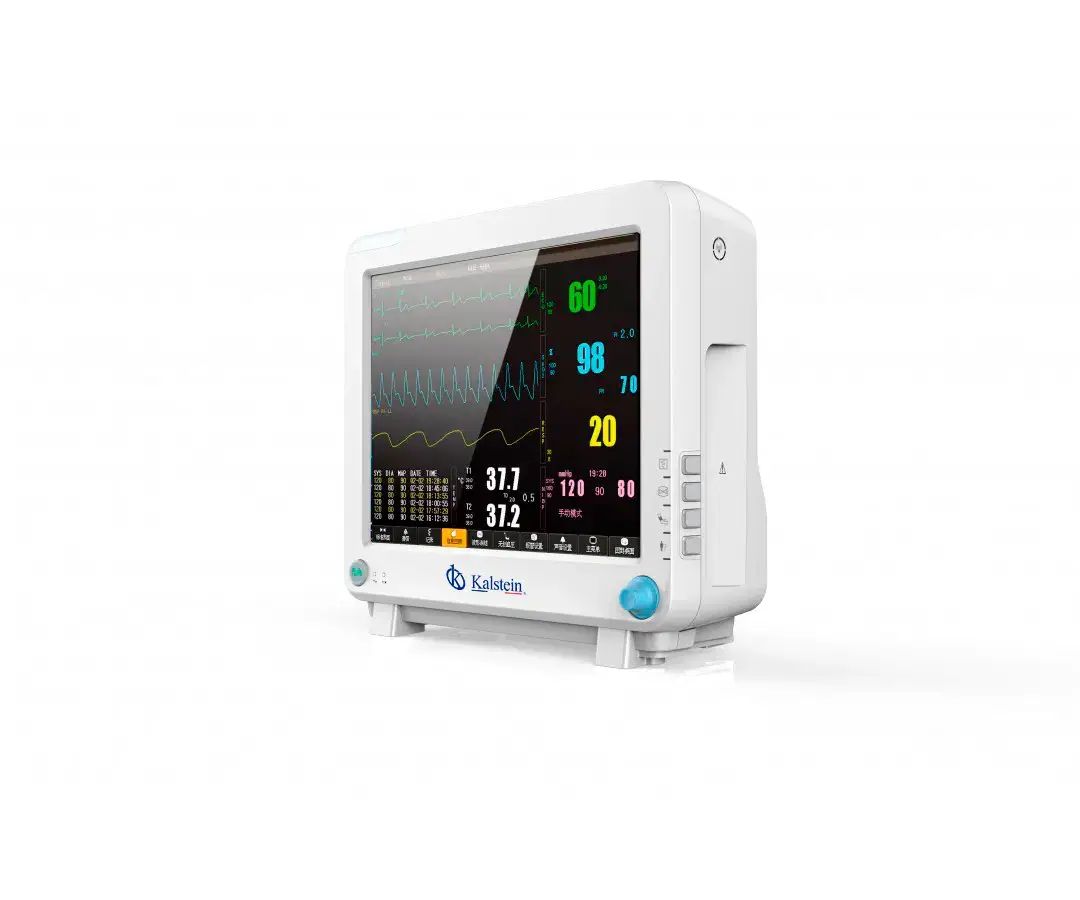
Patient Monitors: Continuous and Accurate Monitoring in Critical Care
Kalstein brand patient monitors are designed to provide continuous and accurate monitoring in critical care environments. These devices...
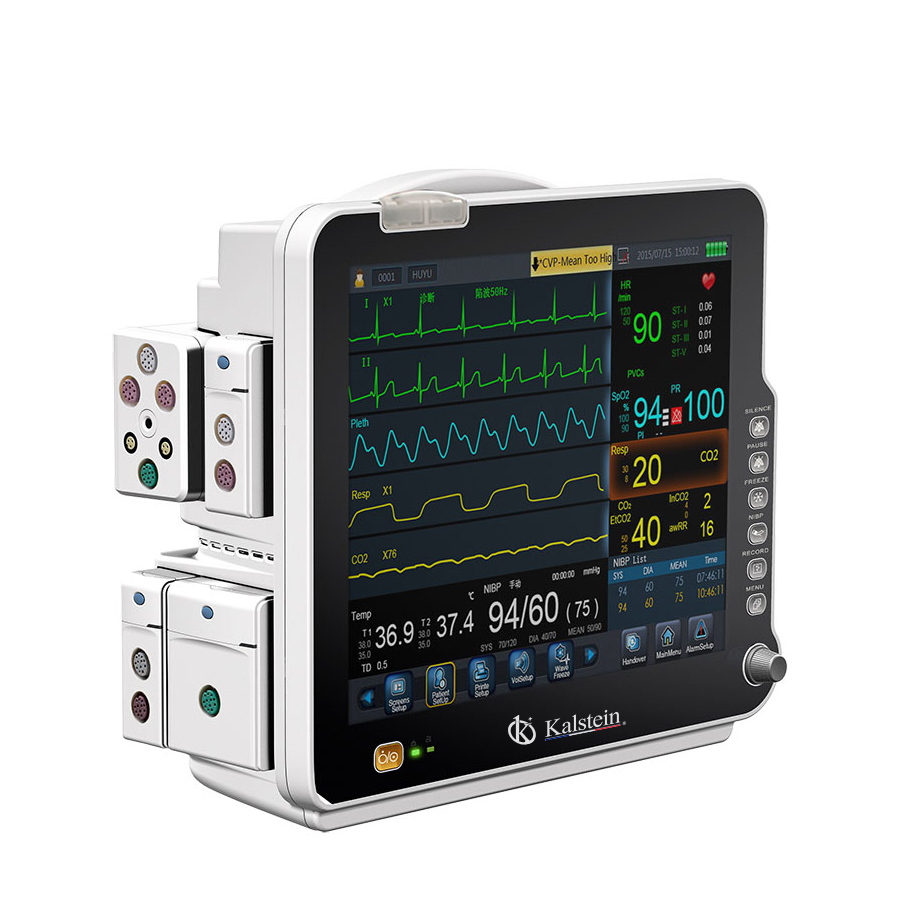
Patient Monitors with Real-Time Data: Innovation and Precision in the Hospital Environment
In the world of modern medicine, precision and immediacy are two fundamental pillars for providing adequate and timely patient care. Patient monitors with real-time data have become indispensable tools in hospital settings. Through constant monitoring, these devices ensure that healthcare professionals can respond quickly and effectively to the needs of their patients.
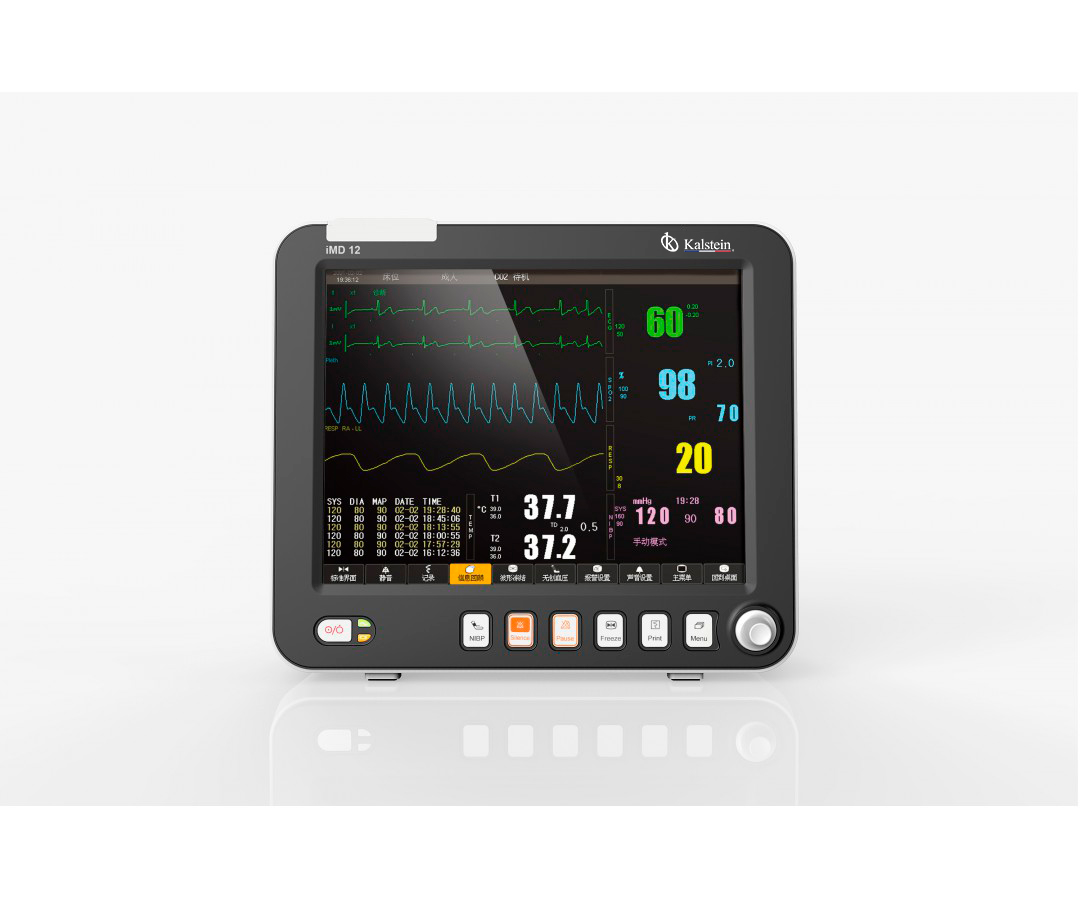
Patient monitor: rules for use
A patient monitor is a medical device that collects and stores the patient's vital signs, which, linked to alarm systems, process and record the patient's parameters. They are equipment capable of providing operating facilities for medical staff and modern medical practice. Currently, these patient monitors collect information on various physiological parameters, as well as storing trends and arrhythmia events.
patient and fetal monitor offer catalog
Guides about patient and fetal monitor
Complete guides to choose patient and fetal monitor
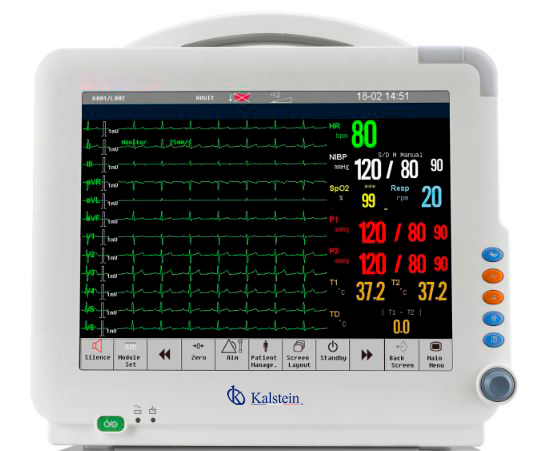
Features of a pediatric vital signs monitor
A pediatric vital signs monitor, also known as a child monitor, is an electronic piece of equipment that continuously detects, processes and deploys the vital signs of the pediatric patient, such as: respiration rate, blood pressure, body t
Leer más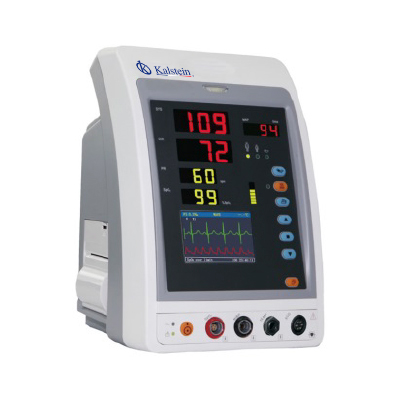
How do I interpret vital signs on a vital signs monitor?
Monitors that record patients' vital signs, such as pulse, temperature, respiration, oxygen saturation and blood pressure, are overwhelming because of all the numbers, abbreviations, wavy lines and alarms. To understand the mechanism of the
Leer más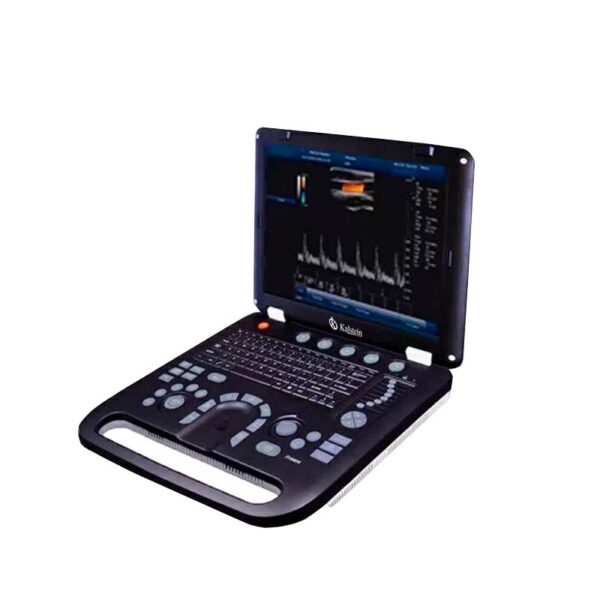
How to Use an Ultrasound Scanner to Detect Fetal Abnormalities?
Ultrasound scanners use powerful ultrasounds to take pictures of the inside of the body, allowing the doctor to diagnose many different problems without subjecting the patient to invasive surgery. Fetal medicine uses ultrasound scanners (al
Leer más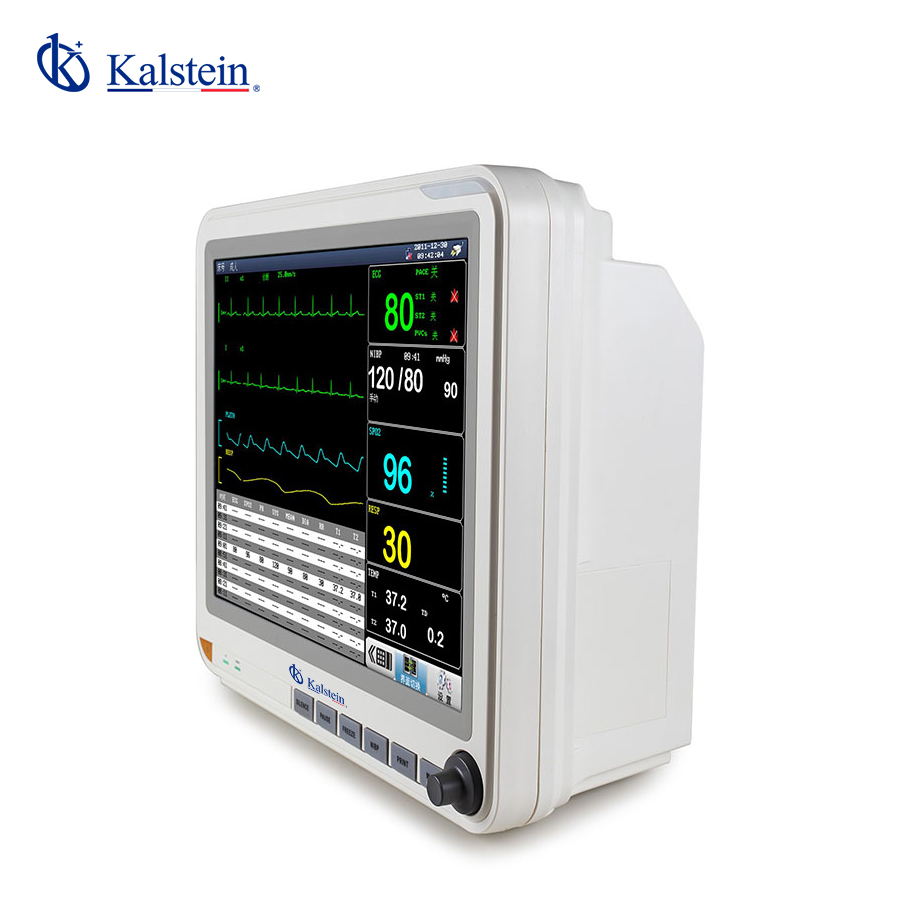
How does a vital signs monitor work?
A vital signs monitor is a device that allows you to detect, process and continuously display the physiological parameters of the patient. It also has an alarm system that alerts when there is an adverse situation or outside the desired lim
Leer másQuestions fréquentes sur Patient and fetal Monitor
Comment connaître les prix de Patient and fetal Monitor ?
Pour connaître le prix de Patient and fetal Monitor, envoyez-nous un e-mail via le formulaire de contact AQUI.
Quels sont les délais de livraison de Patient and fetal Monitor ?
Le délai dépend du stock et du fret (aérien ou maritime). En stock : aérien 15-30 jours, maritime 45-60 jours. Hors stock : aérien 30-60 jours, maritime 60-90 jours.
Comment effectuer un achat de Patient and fetal Monitor ?
Vous pouvez acheter par e-mail ([email protected]), téléphone (+33 (0) 1 70 39 26 50) ou via le site officiel Kalstein de votre pays.
Comment fonctionne la garantie de Patient and fetal Monitor ?
Tous les équipements Kalstein sont garantis 1 an contre les défauts de fabrication. La garantie ne couvre pas les dommages dus à une mauvaise installation ou utilisation. Consultez nos «conditions générales» AQUI.
Puis-je demander un devis en ligne de Patient and fetal Monitor ?
Oui, vous pouvez demander un devis directement sur notre site officiel. Cliquez AQUI.